Contents:
- How Chlorine Actually Damages Hair
- Why Chlorine Damage Affects Different Hair Types Differently
- Blonde or Light Hair
- Dark Hair
- Coloured Hair
- Curly or Textured Hair
- Chlorine Damage: The Expert View
- Prevention Strategies That Actually Work
- Pre-Swim Protection
- Swim Cap
- Post-Swim Rinse and Clarifying
- Deep Conditioning After Swimming
- Common Mistakes to Avoid
- The Sustainability Angle
- Cost-Benefit Analysis: Protection vs. Repair
- FAQs: Does Chlorine Damage Hair?
- The Bottom Line
Many people believe that swimming in chlorinated pools destroys hair. Some claim blonde hair turns green, others worry about irreversible damage. The truth is more nuanced: yes, chlorine damages hair, but the extent depends on your specific situation—and you can prevent most damage with the right strategy.
Understanding how chlorine affects your hair requires knowing exactly what it does and why. Chlorine doesn’t just “damage” hair generically. It causes specific, measurable changes to the hair shaft that progress over time. The good news: these changes are largely preventable.
How Chlorine Actually Damages Hair
Chlorine is a bleaching agent used to sanitise pools by killing bacteria and algae. Hair is an organic protein (keratin) with a protective outer layer called the cuticle. Chlorine oxidises the proteins in hair, breaking the chemical bonds that hold the hair structure together. This oxidation causes:
- Weakened protein structure: Chlorine breaks disulphide bonds within the hair shaft, reducing tensile strength by 10–15% with each swimming session.
- Cuticle damage: The outer protective layer becomes rough and lifted, allowing moisture loss and making hair look dull and rough.
- Colour fading: Chlorine oxidises melanin (the pigment in natural hair) and bleaches artificial colour molecules. Blonde hair appears brassy or greenish; coloured hair fades noticeably.
- Dryness and breakage: Cuticle damage allows moisture to escape. Hair becomes brittle and snaps more easily.
These changes accumulate. A single swimming session causes minimal damage. Frequent swimming (3+ times weekly) causes visible, measurable damage within 4–6 weeks.
Why Chlorine Damage Affects Different Hair Types Differently
Blonde or Light Hair
Blonde hair contains less melanin, so chlorine’s bleaching effect is more visible. Chlorine doesn’t necessarily make hair green (that’s a myth), but it does oxidise remaining pigment and can interact with trace metals in pool water (copper, iron) to create an unpleasant brassy or greenish tint. Swimmers’ blonde hair often appears more yellowish or brassy than dry blonde hair.
Dark Hair
Dark hair is less obviously affected by chlorine’s bleaching action because melanin provides colour depth. However, dark hair still experiences protein degradation, cuticle damage, and moisture loss. The damage is there; it’s just less visually obvious. Over time, dark hair becomes dry, breaks more easily, and loses shine.
Coloured Hair
Chlorine is one of the fastest ways to fade colour-treated hair. Artificial pigment molecules in dyes are vulnerable to oxidation. Colour-treated hair typically fades 30–50% faster in chlorinated water compared to colour-treated hair that never swims. This is why salon professionals strongly advise colouring your hair after summer swimming season, not before.
Curly or Textured Hair
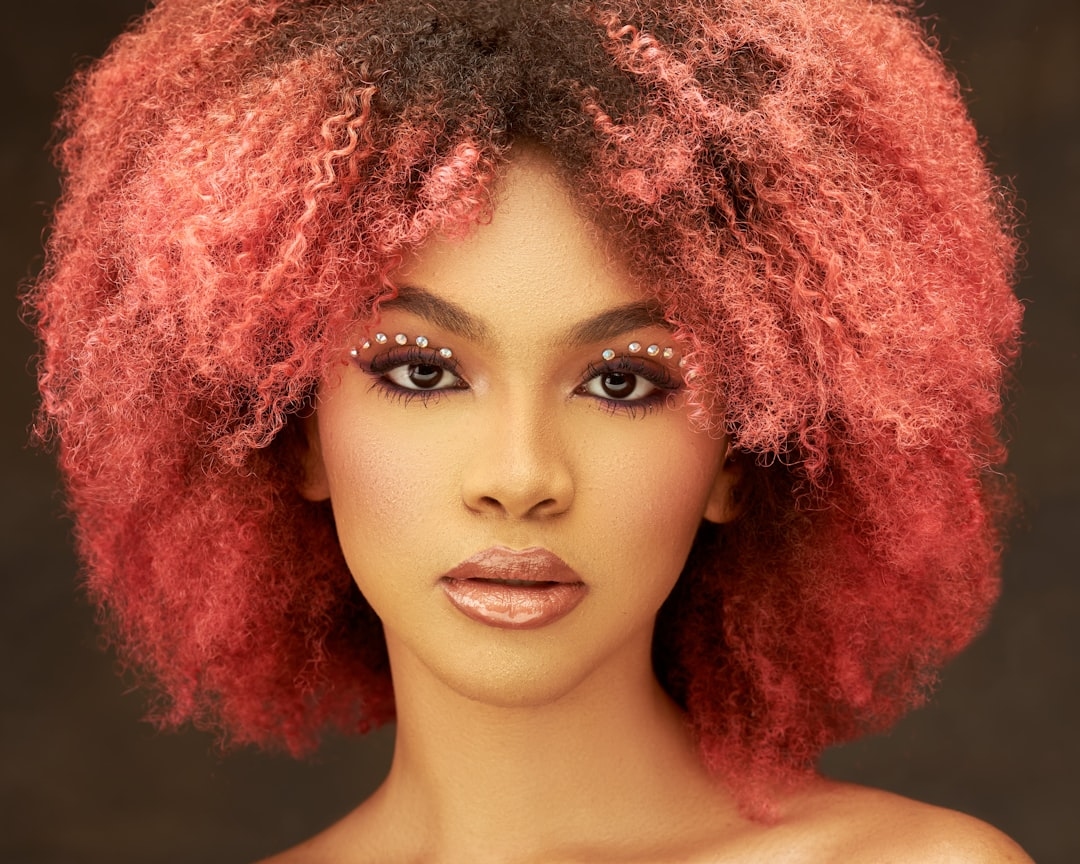
Curly and textured hair is naturally drier and more porous. Chlorine damage compounds existing moisture challenges. Cuticle damage makes it harder for moisture to stay locked in, worsening frizz and definition loss. Curly-haired swimmers need more aggressive protection strategies than straight-haired swimmers.
Chlorine Damage: The Expert View
Emma Richardson, a trichologist and hair restoration specialist at the Bristol Hair Health Clinic, explains: “People vastly underestimate chlorine damage because it’s cumulative. You won’t see dramatic change after one swim. But regular swimmers—say, twice weekly through summer—can expect noticeable dryness and breakage by August. The most common mistake is people starting to protect their hair after damage has already occurred. Prevention is 99% easier than repair.”
Prevention Strategies That Actually Work
Pre-Swim Protection
Wet your hair with fresh water and apply a leave-in conditioner before swimming. This is the single most effective strategy. When your hair is saturated with fresh water and conditioner, the hair shaft swells and cannot absorb as much chlorinated water. You’re creating a barrier that prevents chlorine penetration.
Use a lightweight leave-in conditioner (not a heavy oil) and saturate your hair thoroughly. Brands like SheaMoisture Leave-In Conditioner (£6–£9) or Cantu Shea Butter Leave-In Conditioning Repair Cream (£5–£7) work well. Budget roughly £0.30–£0.50 per swim.
Swim Cap
A quality silicone or latex swim cap blocks about 60–70% of chlorine from contacting your hair. This is not perfect protection—water can still seep underneath—but it’s significantly better than nothing. Caps cost £5–£15 for quality options and last 1–2 seasons.
Latex caps are tighter and offer better protection but can be uncomfortable. Silicone caps are more comfortable and durable. For the best results, wet your hair and apply leave-in conditioner, then put the cap on.
Post-Swim Rinse and Clarifying

Rinse your hair immediately after swimming with fresh water (not chlorinated pool water). Rinse thoroughly, focusing on the scalp and roots where chlorine accumulates most. Within 24 hours, use a clarifying shampoo to remove any remaining chlorine residue and trace metals.
Use a clarifying shampoo only 1–2 times weekly if you’re a frequent swimmer, or once weekly otherwise. Clarifying shampoos are drying, so follow with a deep conditioning treatment.
Deep Conditioning After Swimming
Apply a protein-rich hair mask or deep conditioner within 1–2 hours of swimming. This replenishes moisture and protein that chlorine stripped away. Use a concentrated mask (not regular conditioner) and leave it on for 15–20 minutes.
For frequent swimmers (3+ times weekly), do a deep conditioning treatment after every swim session. For casual swimmers (1–2 times weekly), once weekly conditioning is sufficient.
Common Mistakes to Avoid
- Waiting to protect until damage appears: By the time your hair looks visibly dry or dull from chlorine, protein damage is already significant. Prevent from the start of the swimming season.
- Applying heavy oils before swimming: Oil doesn’t prevent chlorine absorption effectively. Water-based leave-in conditioner works better because it aligns with water’s molecular structure.
- Skipping the pre-swim rinse: Many swimmers think a rinse after swimming is enough. Rinsing before swimming is actually more important because it prevents chlorine from penetrating dry hair.
- Using chlorine-removal products incorrectly: Products like Anti-Chlor or chlorine removal sprays work only if applied immediately after swimming and rinsed thoroughly. They won’t repair existing damage.
- Ignoring chlorine effects on bleached or colour-treated hair: If your hair is lightened or coloured, treat swimming as a high-damage activity and use maximum protection strategies.
The Sustainability Angle
Most pool facilities now use advanced chlorination systems, but many still release chlorine-treated water into local waterways. Additionally, frequent conditioner and deep treatment use adds chemical runoff. Choosing a swim cap and using minimal products (one pre-swim conditioner rather than multiple treatments) reduces both personal hair damage and environmental impact.
Some swimmers explore alternative: saltwater or ozone-treated pools, which are gentler on hair. If you have access to these facilities, they’re worth trying. Most public UK pools still use chlorine, but salt-water facilities are increasingly available in major cities.
Cost-Benefit Analysis: Protection vs. Repair
Prevention approach (weekly swimming):
- Leave-in conditioner: £6–£9 per bottle, lasts 12 weeks = £0.50 per week
- Swim cap: £5–£15, lasts 1–2 years = negligible weekly cost
- Deep conditioner: £5–£15 per bottle, used weekly = £1–£3 per week
- Total: £1.50–£3.50 per week
Repair approach (damage already done):
- Professional hair treatment: £30–£60 per session
- Colour correction (if needed): £50–£100+
- Potential haircut to remove severely damaged ends: £25–£60
- Total: £100+ after 8 weeks of swimming
Prevention costs significantly less and is far more effective than repairing damage after the fact.
FAQs: Does Chlorine Damage Hair?
Q: Can you reverse chlorine damage to hair?
A: You can improve the appearance of chlorine-damaged hair with intensive conditioning, but you cannot reverse protein structural damage. The best approach is prevention. Severe damage may require cutting off the damaged ends.
Q: How long does it take chlorine to damage hair?
A: A single swim causes minimal cumulative damage. Frequent swimming (3+ times weekly) causes visible dryness and breakage within 4–6 weeks. Colour fading is visible within 2–3 weeks for coloured hair.
Q: Does chlorine turn blonde hair green?
A: Chlorine doesn’t directly turn hair green, but it oxidises blonde pigment and can interact with trace metals (copper) in pool water, creating a greenish or brassy tint. This is more obvious on blonde hair than on dark hair.
Q: Is saltwater pool damage different from chlorine?
A: Saltwater pools use salt in a chlorination system, so they still contain chlorine. However, saltwater is often gentler than heavily chlorinated pools. Some newer salt-water pools use alternative sanitisers like UV or ozone, which are gentler on hair.
Q: How do you protect blonde hair from chlorine?
A: Use maximum protection: wet with fresh water before swimming, apply leave-in conditioner, wear a swim cap, rinse immediately after, and follow with deep conditioning. Blonde hair is most vulnerable to chlorine’s bleaching effect.
The Bottom Line
Chlorine absolutely damages hair through protein oxidation, cuticle disruption, and colour fading. But damage is predictable and preventable. A simple strategy—wet your hair before swimming, apply leave-in conditioner, wear a swim cap—reduces damage by 60–70%. Following with a post-swim rinse and weekly deep conditioning keeps hair healthy even through a full summer of swimming.
The critical realisation: prevention is infinitely easier and cheaper than repair. Implement protective strategies from the first swim of the season, not after you’ve noticed damage. Your hair in September will reflect the decisions you make in June.


Add Comment