Contents:
- The Essential B Vitamins for Hair
- Biotin (Vitamin B7)
- B12 and Folate
- Pantothenic Acid (Vitamin B5)
- Vitamin A: The Balance Challenge
- Vitamin C and Collagen Support
- Vitamin D: The Surprising Player
- Iron: The Often-Missed Mineral
- Zinc: The Growth Mineral
- Selenium: Trace but Important
- Common Mistakes to Avoid
- Seasonal Timeline for Vitamin Impact
- Budget Breakdown: Food Versus Supplements
- FAQ: Which Vitamins Support Hair Health
- Your Path Forward
In ancient Rome, physicians prescribed nutritious herbs and mineral-rich broths to patients experiencing hair loss. They understood something modern science has now quantified: nutrition fundamentally supports hair growth. The same principle applies today. Which vitamins are good for hair remains one of the most practical questions anyone concerned with hair health can ask.
Hair follicles are among the most metabolically active tissues in your body. They’re constantly dividing, growing, and producing new hair cells. This intensive process demands specific nutrients. Without them, growth slows, strength diminishes, and shedding increases.
The Essential B Vitamins for Hair
B vitamins form the foundation of hair health. These water-soluble vitamins cannot be stored in the body, making consistent intake essential.
Biotin (Vitamin B7)
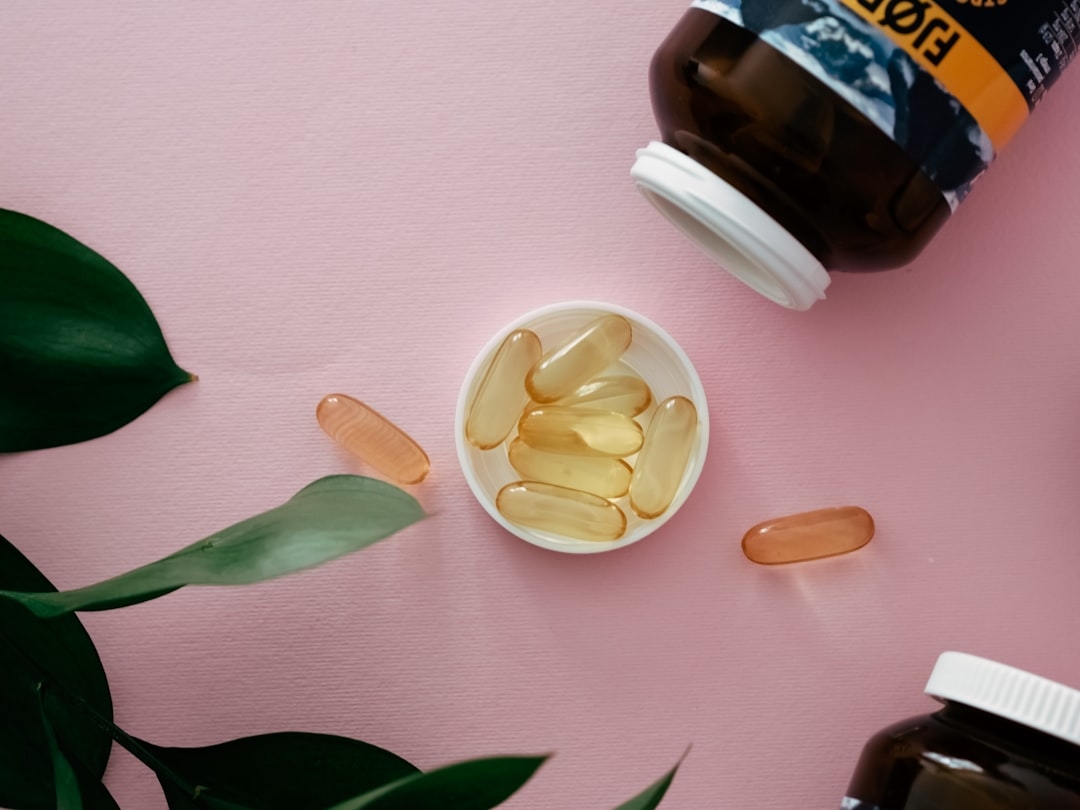
Biotin supports keratin production, the primary protein in hair. Studies show that biotin supplementation improves hair thickness in people with biotin deficiency. Recommended intake is 30 mcg daily. Food sources include eggs, almonds, and salmon. Most people get sufficient biotin through diet without supplementation.
B12 and Folate
These vitamins support DNA synthesis, essential for rapidly dividing hair cells. Deficiency causes premature shedding. B12 recommendations are 2.4 mcg daily; folate requires 400 mcg. Vegetarians and vegans should pay particular attention, as B12 primarily comes from animal sources. A simple blood test clarifies your B12 status if concerned.
Pantothenic Acid (Vitamin B5)
B5 strengthens hair structure and may reduce greying. The recommended intake is 5 mg daily, easily obtained from chicken, mushrooms, and avocado.
Vitamin A: The Balance Challenge
Vitamin A promotes sebum production, keeping the scalp moisturised. However, which vitamins are good for hair depends on quantity. The recommended daily allowance is 700 mcg for women and 900 mcg for men. Excess vitamin A triggers hair loss, creating a narrow therapeutic window.
Food sources like sweet potatoes and spinach provide beta-carotene, which the body converts to vitamin A as needed. This conversion prevents toxicity, making food sources safer than supplements.
Vitamin C and Collagen Support
Vitamin C is essential for collagen synthesis. Hair structure depends on collagen in the dermal layer beneath the scalp. The recommended daily intake is 75-90 mg. Citrus fruits, berries, and peppers provide abundant vitamin C without supplementation needs for most people.
Vitamin D: The Surprising Player
Vitamin D deficiency correlates with hair loss conditions, including alopecia areata. Research from 2020 showed that vitamin D levels below 20 ng/mL were associated with increased shedding. UK residents often have lower vitamin D due to limited winter sunlight. The recommended intake is 15-20 mcg daily, though some experts suggest higher levels during winter months (October to March).
Oily fish, mushrooms exposed to sunlight, and egg yolks contain vitamin D. Many people benefit from supplementation during winter months, particularly in Scotland and Northern England.
Iron: The Often-Missed Mineral
Iron deficiency anaemia causes significant hair loss. Women of childbearing age are at particular risk due to menstrual loss. Recommended intake is 8 mg for men and 18 mg for women aged 19-50. Red meat, lentils, and spinach provide iron, though plant-based iron (non-haem) is absorbed less efficiently than meat-based (haem) iron.
If you’re vegetarian or vegan, combining iron-rich foods with vitamin C increases absorption. For example, lentil curry with tomato sauce (high in vitamin C) improves iron uptake significantly.
Zinc: The Growth Mineral

Zinc is essential for keratin production and hair follicle health. Deficiency causes hair shedding. Recommended intake is 8-11 mg daily. Oysters contain exceptional zinc levels (exceeding 100 mg per serving), making them a superlative source. Beef, cashews, and pumpkin seeds provide reliable amounts.
Excessive zinc supplementation interferes with copper absorption, so staying within recommended ranges is crucial.
Selenium: Trace but Important
Selenium supports thyroid function, which regulates metabolism and hair growth. The recommended intake is 55 mcg daily. Brazil nuts contain remarkable selenium levels—just two nuts provide the daily requirement. Fish, poultry, and eggs offer consistent amounts without risk of excess from whole foods.
Common Mistakes to Avoid
Many people make preventable errors when approaching hair vitamins:
- Assuming supplementation without testing: Most people obtain adequate vitamins through diet. Testing clarifies actual deficiencies before spending money on supplements.
- Combining multiple supplements of the same nutrient: A multivitamin plus individual supplements creates toxicity risk with no additional benefit.
- Expecting immediate results: Hair growth takes months. Changes appear 3-6 months after addressing nutritional deficiency.
- Neglecting other factors: Vitamins support hair, but stress, sleep, and overall health matter equally. Optimising one factor doesn’t overcome deficiency in others.
- Taking supplements on an empty stomach: Fat-soluble vitamins (A, D, E, K) absorb poorly without dietary fat. Iron and calcium interfere with each other, so timing matters.
Seasonal Timeline for Vitamin Impact
Seasonal changes affect which vitamins matter most:
- Winter (Oct-Mar): Focus on vitamin D and B12. Increased shedding is natural; support growth with adequate nutrition.
- Spring (Apr-May): New growth phase. Ensure adequate protein, biotin, and iron for vibrant new hair.
- Summer (June-Sept): Maintain consistency; sun exposure naturally provides some vitamin D. Ensure adequate hydration.
- Autumn (Sept-Oct): Preparation phase. Hair cycle shift towards shedding is normal; focus on scalp health and conditioning.
Budget Breakdown: Food Versus Supplements
Meeting hair health vitamin needs through food is typically more cost-effective:
- Eggs (B vitamins, selenium): £3-£5 per dozen, providing weekly biotin and B12 for entire household
- Lentils (iron, zinc): £0.80-£2 per kg, providing iron for multiple meals
- Brazil nuts (selenium): £6-£10 per 200g bag, 200+ servings per bag
- Spinach (vitamin A, folate, iron): £1.50-£3 per bag, providing multiple nutrients per serving
- Fish (omega-3s, vitamin D, selenium): £8-£15 per fillet, superior to supplement tablets
Supplement costs: £20-£60 monthly for comprehensive hair vitamin supplements, versus £50-£100 monthly for food that provides these nutrients plus other health benefits.
FAQ: Which Vitamins Support Hair Health
Which vitamins are good for hair?
B vitamins (especially biotin and B12), vitamin D, iron, zinc, and selenium are the primary nutrients supporting hair health. Vitamins A and C play supporting roles when at optimal levels.
How long before hair improves with vitamin supplementation?
Hair growth takes 3-6 months to show improvement after addressing nutritional deficiency. Immediate changes don’t occur; patience is essential.
Should I take hair vitamins if I’m not deficient?
Testing first is sensible. Supplementing adequate levels provides no benefit. Focus on balanced diet first; supplement only documented deficiencies.
Can food provide all necessary hair vitamins?
Yes, for most people. A varied diet including protein, vegetables, whole grains, and healthy fats provides adequate vitamins for hair health without supplements.
Your Path Forward
Understanding which vitamins are good for hair simplifies your approach. Rather than chasing every supplement marketed for hair, focus on the evidence-based essentials. Test if concerned about deficiency. Prioritise food sources. Supplement only documented gaps. This practical approach costs less and delivers superior results compared to throwing money at every hair vitamin on the market.
Hair health reflects overall nutritional status. Vitamins that support hair also support energy, immunity, and longevity. By addressing hair nutrition intentionally, you’re investing in comprehensive wellness.



Add Comment