Contents:
- How Sunlight Actually Lightens Hair
- Why Does the Sun Make Your Hair Lighter Than Other Methods?
- Does the Sun Make Your Hair Lighter Equally on All Hair Types?
- Protecting Your Hair Colour From the Sun
- UV-Protective Products
- Physical Barriers
- Timing and Exposure
- The Environmental Angle: Sustainable Hair Care
- What If You Want Your Hair Lightened by the Sun?
- Maintaining Sun-Lightened Hair
- Frequently Asked Questions
- How long does it take for the sun to lighten hair?
- Can the sun permanently damage your hair colour?
- Does sun-lightened hair look natural?
- Will sun protection products prevent all lightening?
- Does does the sun make your hair lighter if I wear it in a bun?
- Making the Right Choice for Your Hair
Around 70% of people with brown hair notice visible lightening within just four weeks of regular sun exposure. Yet most of us treat this as either a happy accident or an unwelcome side effect, rarely understanding the actual chemistry at work. The reality is far more fascinating than simple bleaching.
How Sunlight Actually Lightens Hair
The sun does make your hair lighter—and it does so through a precise chemical process. Hair colour comes from two types of pigment: eumelanin (responsible for brown and red tones) and pheomelanin (responsible for yellow and red tones). When UV radiation from sunlight strikes the hair shaft, it breaks down these pigment molecules, particularly the darker eumelanin compounds.
This isn’t simple fading. UV-A and UV-B rays penetrate the hair cuticle and cortex, triggering a chemical reaction that degrades the melanin bonds. The process is irreversible—once the pigment breaks down, it doesn’t return. What you’re seeing isn’t dust or buildup washing off; it’s genuine structural change at the molecular level.
One key detail: the lighter your hair already is, the more noticeable this effect becomes. A blonde going slightly lighter might need six to eight weeks in regular summer sun. A brunette often shows changes within three to four weeks. Black hair takes considerably longer but still lightens with sustained exposure.
Why Does the Sun Make Your Hair Lighter Than Other Methods?
Chemical bleaching treatments work similarly but far more aggressively. A salon lightening service controls the concentration of peroxide and processing time. The sun, by contrast, works gradually and unevenly—which is why sun-lightened hair often develops that distinctive patchwork look, lighter at the ends and face-framing layers.
Sarah, a marketing manager from Brighton, spent two weeks in Portugal last summer and saw her rich chestnut hair transform at the edges. “I wasn’t trying to lighten it,” she explains. “But by the second week, the front pieces were noticeably warmer, almost honey-coloured. The back stayed almost unchanged because it got less direct sun.” This uneven pattern is entirely natural and happens because different hair sections receive different UV exposure.
The humidity levels and water exposure amplify this effect. Swimming in chlorinated pools or salt water whilst spending hours in sun accelerates lightening significantly. The combination of UV damage and the drying effects of chlorine can lighten hair 30-40% faster than sun exposure alone.
Does the Sun Make Your Hair Lighter Equally on All Hair Types?
Texture, density, and melanin content all influence how quickly hair lightens. Finer, lighter hair shows changes fastest. Coarser, darker hair resists lightening longer because the thicker cuticle layers provide more protection, and the higher melanin concentration requires more UV exposure to show visible change.
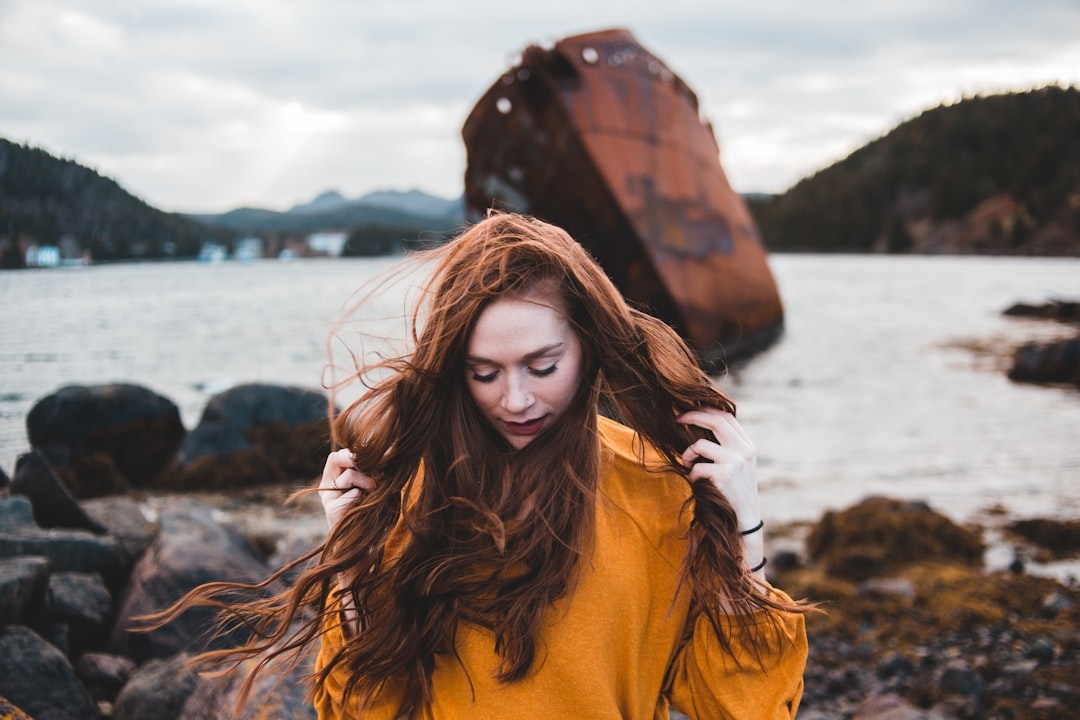
People with red hair often see the most dramatic shifts—their hair can shift from auburn to golden or even platinum blonde with significant sun exposure. This happens because pheomelanin (the red pigment) oxidises faster than eumelanin (brown/black pigment). Asian and Afro-textured hair typically shows more subtle lightening because the higher melanin density requires sustained, intense UV exposure to produce noticeable shifts.
Protecting Your Hair Colour From the Sun
If you prefer to keep your natural shade or maintain a recent colour treatment, sun protection is essential. Here are the practical steps:
UV-Protective Products
Shampoos and conditioners with UV filters cost roughly £8-15 per bottle and provide a basic defence layer. For regular summer use, many people find this sufficient. Look for products containing avobenzone or zinc oxide, which filter UV rays without leaving white residue (unlike some older formulations).
Leave-in sprays and serums with UV protection (£10-20) are more concentrated and work best applied to damp hair before sun exposure. Apply them to the mid-lengths and ends—the areas most exposed when wearing your hair down or in a ponytail.
Physical Barriers
The most effective method remains old-fashioned: covering your hair. Wide-brimmed hats, scarves, or UV-blocking swimwear caps (which cost £15-30) eliminate the problem entirely. They also protect your scalp from sun damage, an often-overlooked bonus.
Hair oils—argan, coconut, or jojoba (£8-12)—provide modest UV protection, though they’re not replacement sunscreen. They do offer conditioning benefits and can reduce the drying effects of sun and chlorine.
Timing and Exposure
Limiting direct sun exposure between 10am and 3pm—when UV radiation peaks—reduces lightening significantly. Even on holiday, keeping your hair damp (rather than allowing it to dry in direct sun) slows the lightening process by up to 50%.
The Environmental Angle: Sustainable Hair Care
Here’s something most people overlook: synthetic UV filters in hair products can end up in waterways and potentially harm coral ecosystems, particularly in popular beach destinations. If you’re regular swimmer or frequently spend extended time in natural water, consider mineral-based UV filters (zinc oxide, titanium dioxide) rather than chemical ones. Reef-safe products cost slightly more (usually 15-20% premium) but have minimal environmental impact.
Similarly, avoiding harsh chemical bleaching and working with what the sun naturally provides is a gentler approach for both your hair and the environment. If you want sun-lightened hair, simply spending time outdoors achieves what would otherwise require chemical processing—and requires no energy-intensive manufacturing or chemical runoff.
What If You Want Your Hair Lightened by the Sun?
If you’re actually hoping for sun-lightened hair, maximise your results strategically. Spend 2-3 hours outdoors daily, particularly between 11am and 2pm when UV radiation peaks. Wet your hair slightly before going out (damp hair lightens faster than dry). Swim regularly if you have access to a pool or sea.
Lemon juice or diluted apple cider vinegar (mixed 1:1 with water, costs roughly £2-3 for a bottle lasting several weeks) can be spritzed onto hair before sun exposure—the citric acid opens the cuticle slightly, accelerating lightening. This method is gentler than bleach and entirely natural. Apply it to mid-lengths and ends, not near the scalp, and rinse thoroughly after sun exposure.
Expect results within 3-6 weeks of consistent sun exposure. The lightening effect develops gradually, creating a natural-looking shift rather than the harsh demarcation lines that sometimes appear with chemical bleaching.
Maintaining Sun-Lightened Hair
Once your hair has lightened, it becomes more fragile. The UV damage that lightens colour also disrupts the protein structure, making hair more prone to breakage and dryness. Deep conditioning treatments (£6-15) should become part of your routine twice weekly during summer months. Trim regularly—every 6-8 weeks—to remove sun-damaged ends.
Avoid additional chemical treatments for at least 4 weeks after significant sun lightening. Your hair needs time to recover its structural integrity before facing another round of chemical stress.
Frequently Asked Questions
How long does it take for the sun to lighten hair?
Visible changes appear within 2-4 weeks for most people with regular sun exposure, assuming 2-3 hours daily. Darker hair takes longer; lighter hair shows changes faster. Swimming in chlorinated water accelerates the process by 30-40%.
Can the sun permanently damage your hair colour?
Yes. The pigment breakdown is permanent. Once lightened, your natural hair won’t return to its original shade through sun exposure alone. Only new growth will return to your original colour.
Does sun-lightened hair look natural?
Yes, particularly compared to chemical bleaching. The gradual, uneven lightening creates subtle dimension and often looks like expensive balayage highlights. The natural variation is actually considered highly desirable by many people.
Will sun protection products prevent all lightening?
No product provides 100% protection without physically blocking the sun (hats, scarves). UV-protective products reduce lightening by roughly 60-70%, depending on SPF level and reapplication frequency. For complete prevention, physical barriers are most effective.
Does does the sun make your hair lighter if I wear it in a bun?
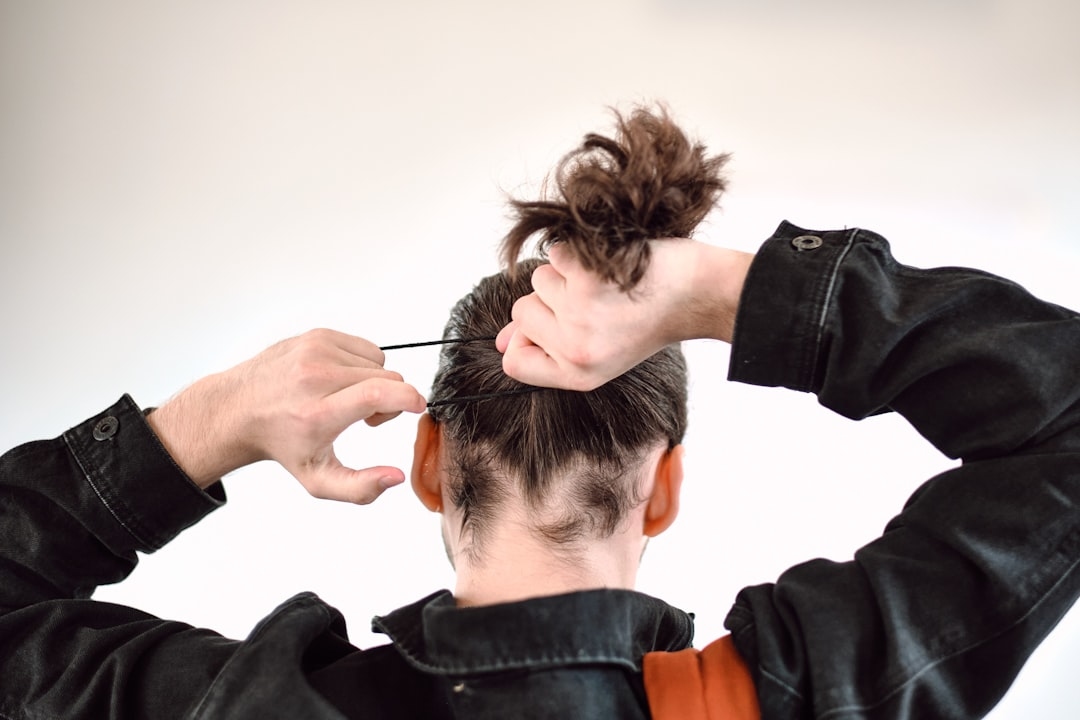
Significantly less. Hair protected under a bun, ponytail, or hat receives minimal UV exposure. Only the exposed layers at the front and around your face will lighten noticeably. This creates the characteristic sun-lightened look where face-framing pieces are notably lighter.
Making the Right Choice for Your Hair
Understanding that the sun does genuinely lighten hair through a real chemical process helps you make informed decisions about your hair care. Whether you’re trying to protect a professional colour treatment, hoping to maintain your natural shade, or actually aiming for sun-lightened highlights, the science is the same—UV radiation breaks down melanin pigments.
This summer, you can either invest in UV-protective products (costing £8-20 monthly), rely on physical barriers like hats, or embrace the gradual lightening process. Whatever you choose, doing so with full understanding of what’s actually happening to your hair puts you in control. Your next decision about sun and hair will be properly informed rather than leaving results to chance.

Add Comment