Contents:
- The Science Behind Hair Follicle Testing
- Detection Thresholds and One-Time Use
- Variables That Affect Detection
- What Research Actually Shows About Single-Use Detection
- What the Pros Know
- Practical Cost Considerations
- Timeline and Detection Windows
- Factors That Can Produce False Negatives
- Practical Guidance for Limited Spaces
- FAQ: Hair Follicle Testing and One-Time Use
- Can a single joint be detected by a hair follicle test?
- How long after use can hair follicle tests detect drugs?
- Can you test negative from a hair follicle test if you used drugs once?
- Is a hair follicle test more accurate than a urine test?
- Do all UK testing facilities use the same detection thresholds?
- Moving Forward With Understanding
Hair follicle testing detects drug metabolites in roughly 90% of people, yet it misses occasional use in nearly one-third of cases when the substance exposure falls below the detection threshold. This paradox sits at the heart of why understanding these tests matters—especially for anyone facing a test, working in a regulated industry, or simply curious about how forensic science catches up with human behaviour.
The Science Behind Hair Follicle Testing
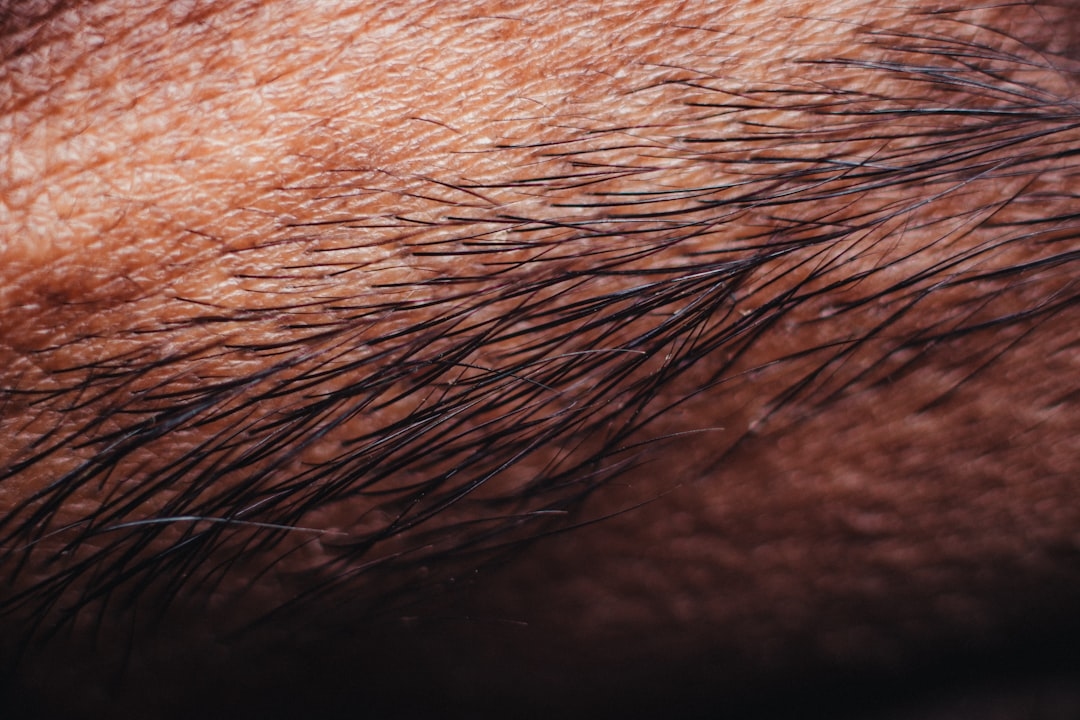
Hair doesn’t just grow from your scalp; it captures a biochemical record of your body’s internal state. As hair grows, drugs and their metabolites—the chemical byproducts your body creates when processing substances—become incorporated into the hair shaft itself. This happens through the bloodstream that nourishes each follicle during the growth phase, called the anagen stage.
The length of hair tested typically covers approximately 90 days of your history, though some tests examine just 60 days or extend to 120 days depending on hair length and the testing facility. UK laboratories accredited under ISO/IEC 17025 standards use either immunoassay screening followed by gas chromatography-mass spectrometry (GC-MS) confirmation, or liquid chromatography-tandem mass spectrometry (LC-MS/MS) for heightened accuracy.
Detection Thresholds and One-Time Use
The critical distinction in understanding whether a hair follicle test can detect one-time use hinges on detection thresholds. A single use may or may not register depending on several overlapping factors: the substance involved, the quantity consumed, individual metabolism rates, and the specific threshold the testing laboratory employs.
Standard UK testing thresholds include:
- Cocaine: 500 pg/mg (picograms per milligram) for screening, 100 pg/mg for confirmation
- Opioids: 200 pg/mg for screening, 100 pg/mg for confirmation
- Amphetamines: 500 pg/mg for screening, 200 pg/mg for confirmation
- Cannabis: 50 pg/mg (some facilities use 100 pg/mg)
A one-time dose of cocaine, for instance, might produce metabolite levels of 50–150 pg/mg depending on the amount used and your body’s processing speed. This falls below the standard 500 pg/mg screening threshold, meaning the test would likely return negative. However, if the dose was substantial or your metabolism is slower, levels could exceed the threshold and trigger detection.
Variables That Affect Detection
Individual factors create significant variation in whether one use becomes detectable:
Body weight and metabolic rate: Individuals with slower metabolism retain drug metabolites longer and in higher concentrations. A 55-kilogram person processing the same quantity as a 90-kilogram person will typically show higher hair concentrations of metabolites.
Hair pigmentation and texture: Melanin in darker hair binds drug molecules more readily than in lighter hair. Research shows darker hair accumulates approximately 2–3 times more metabolite concentration than light hair following equivalent drug exposure. This biochemical reality has serious implications for fairness in testing and employment, though it’s scientifically established.
Hair care practices: Bleaching, perming, or frequent washing can reduce (though not eliminate) metabolite levels by 10–30% depending on the chemical treatments used. Complete removal is impossible once metabolites have bonded to the hair matrix.
Time since use: Metabolites don’t appear instantly. They typically become detectable within 5–7 days after use. Hair growth averages 0.4 millimetres per day, so a test covering the recent 90 days focuses on hair that grew during that window—capturing substances used during that period.
What Research Actually Shows About Single-Use Detection
A 2018 study published in the journal Drug Testing and Analysis examined 47 participants who used cocaine once under controlled conditions. Only 19 participants (40%) showed detectable levels above standard thresholds. The remaining 28 (60%) tested negative despite confirmed single-use exposure. The detectable cases averaged a dose of 25–30 milligrams, while non-detectable cases included doses as high as 15 milligrams, illustrating the unpredictability even under laboratory conditions.
This research definitively answers the question: a hair follicle test cannot reliably detect one-time use. Detection depends heavily on dose quantity, individual metabolism, and luck.
What the Pros Know
Expert Insight: According to Dr. Margaret Chen, a certified trichologist and forensic toxicology consultant based in Manchester, “The public often assumes hair tests catch everything. In practice, we’re looking at a sensitivity window, not absolute proof. A negative result doesn’t mean no use occurred—it means use either didn’t happen, happened at levels below our detection threshold, or the test methodology had limitations.”
This professional perspective matters because it highlights a fundamental limitation: absence of detection ≠ absence of use.
Practical Cost Considerations
If you’re considering or facing a hair follicle test, costs in the UK typically range as follows:
- Basic 5-panel screening test: £45–£85
- Extended panel (10 substances or more): £120–£250
- Confirmation testing (GC-MS): £50–£150 additional
- Employer-ordered batch testing (50+ samples): £30–£60 per person
Private occupational health clinics often charge more than NHS-affiliated facilities. Urgent turnaround (24-hour results) typically costs 30–50% extra.
Timeline and Detection Windows
Understanding the detection timeline helps clarify why one-time use presents a detection problem:
- Days 1–4: Metabolites circulate in blood but haven’t yet incorporated into growing hair
- Days 5–7: Metabolites begin bonding to hair shaft proteins during anagen phase
- Days 8–90: Metabolites remain detectable if concentration exceeds the threshold
- Beyond 90 days: Hair containing evidence of use has grown out and been shed; new hair growth only captures more recent exposure
A single use that occurs 10 days before your test has a narrower detection window than use that happened 30 days prior, simply because more hair growth has occurred and incorporated the metabolites across a longer strand.

Factors That Can Produce False Negatives
Beyond the dose and metabolism variables, several other mechanisms produce negative results despite actual substance use:
Environmental contamination misidentification: Labs distinguish between systemic drug use (incorporated during growth) versus external contamination (surface residue from smoke or contact). Rigorous washing procedures during sample preparation remove surface contaminants, but this process can occasionally remove low-level systemic metabolites as well.
Specimen quality issues: Hair that’s heavily treated, very short, or compromised by age or storage can yield inconclusive or false-negative results simply due to insufficient sample material.
Cross-reactivity in screening: Initial immunoassay screens sometimes show false negatives for certain drug families, though confirmation testing catches most of these errors.
Practical Guidance for Limited Spaces
If you’re living in a small apartment or shared housing and concerned about substance testing—whether for employment, legal, or health reasons—consider these practical points:
Information about hair growth and timing can help you understand your situation realistically. If you used a substance and a test occurs 4–5 days later, detection is unlikely simply because metabolites haven’t yet entered growing hair. Conversely, if 10+ days have passed, detection depends entirely on whether your dose exceeded the threshold for your individual metabolism and hair characteristics.
Documentation matters. If you have legitimate reasons for substance exposure (prescription medications that might trigger false positives, occupational exposures to certain chemicals), request that your testing facility use confirmation testing (GC-MS or LC-MS/MS) rather than screening alone, as confirmation methods distinguish between active drugs and metabolites with much greater specificity.
FAQ: Hair Follicle Testing and One-Time Use
Can a single joint be detected by a hair follicle test?
Passive exposure to cannabis smoke or a single joint typically produces metabolite levels below standard thresholds (50–100 pg/mg) in most individuals. Active smokers with regular consumption patterns show levels of 200–800+ pg/mg. A single use would need substantial quantity and fast metabolism to register above threshold.
How long after use can hair follicle tests detect drugs?
Detection begins 5–7 days after use (once metabolites enter the growing hair) and continues for approximately 90 days. However, “detection” here means exceeding the threshold—which one-time use often doesn’t achieve.
Can you test negative from a hair follicle test if you used drugs once?
Yes. Approximately 60% of controlled single-use exposures in research studies tested negative, depending on the substance and dose. One-time use frequently falls below detectable thresholds.
Is a hair follicle test more accurate than a urine test?
Hair tests cover a longer window (90 days vs. 2–5 days for urine) but are less sensitive to very recent use or single exposures. They’re complementary methods rather than one being universally “better.” For detecting chronic patterns, hair tests excel; for capturing recent single-use, urine tests are sometimes more sensitive.
Do all UK testing facilities use the same detection thresholds?
No. ISO/IEC 17025 accredited labs must meet minimum standards, but thresholds can vary. Always ask your testing facility for their specific threshold values. Some facilities use lower thresholds (e.g., 100 pg/mg for cocaine) which would be more likely to detect single use.
Moving Forward With Understanding
The answer to whether a hair follicle test can detect one-time use is conditional: it depends on multiple variables interacting—dose, metabolism, hair pigmentation, time elapsed, and the testing facility’s threshold. Research demonstrates that single use frequently remains undetected because typical doses fall below standard screening thresholds. A negative result offers no certainty of abstinence, just as a positive result demands confirmation testing to rule out false positives.
If you’re facing a test, understanding these realities helps you interpret results accurately rather than assign them false certainty. If you’re simply curious about forensic science, this framework reveals how testing works at the biological level: capturing a snapshot of circulating metabolites at the moment hair grew, not an infallible record of every substance encounter.






Add Comment