Contents:
- The Standard Bleaching Timeline
- Factors That Change Your Processing Time
- Hair Texture and Density
- Starting Hair Colour and Previous Treatment
- Temperature and Humidity
- Product Strength and Developer Volume
- Bleach vs. Lightening Shampoo: Understanding the Difference
- What Happens If You Leave Bleach In Too Long
- The Reality of Timing for Different Scenarios
- Touch-Up Bleaching
- Going Platinum or Very Pale
- Darker Skin Tones and Warm Undertones
- Practical Tips for Accurate Timing
- FAQ: Common Questions About Bleach Timing
- Moving Forward With Confidence
Around 45% of people who bleach their hair at home admit they’ve guessed at the timing—and that uncertainty often leads to either disappointing results or damage they’d rather forget. Getting the duration right is genuinely one of the most critical factors in lightening your hair successfully, yet it’s surprisingly misunderstood.
The Standard Bleaching Timeline
When you’re asking how long to leave bleach in your hair, the answer depends largely on what you’re using. Professional salon-grade bleach typically works fastest, while drugstore options tend to need the full processing time to be effective. Most bleach products come with a 20 to 45-minute window printed right on the box.
The 30-minute mark is where most people find success with general darkening levels. If your hair is very dark or resistant to lightening, you might need the full 45 minutes. If you’re going for just a subtle lift or your hair is already quite light, 20 to 25 minutes often suffices. The key is checking your progress starting around the 15-minute mark, then every 5 minutes thereafter once you’re near your goal shade.
Factors That Change Your Processing Time
Hair Texture and Density
Fine, thin hair bleaches much faster than thick, coarse hair. If you have fine hair, expect to reach your target colour in as little as 15 to 20 minutes. Thick, coarse hair might need the full 45 minutes or even slightly longer with some products. The density of your hair also matters—more densely packed hair takes longer for the bleach to penetrate evenly.
Starting Hair Colour and Previous Treatment
Virgin hair (hair that’s never been coloured or chemically treated) lightens differently than previously bleached or dyed hair. Dark hair requires more processing time than light or medium brown hair. If your hair has been damaged from previous treatments, it may process faster because the structure is already compromised, but it’s also at greater risk of breakage.
Temperature and Humidity
Warmer conditions speed up bleach processing. In summer or a heated bathroom, your hair might lighten noticeably faster than in cooler weather. Humidity can also affect results, though the effect is more subtle. Processing in a warm room typically shaves 5 to 10 minutes off the standard time.
Product Strength and Developer Volume
The developer strength you mix with your bleach powder significantly impacts timing. A 20-volume developer is standard for most at-home applications and works well for lifted results. 30 or 40-volume developers work faster but carry higher risk of damage. Always match your developer to your product instructions—never assume you can skip ahead with a stronger developer.
Bleach vs. Lightening Shampoo: Understanding the Difference
People often confuse permanent bleach with gentler lightening shampoos, expecting similar results in similar timeframes. This is a crucial distinction. Permanent bleach (powder mixed with developer) chemically alters your hair structure and achieves dramatic lightening in the 20 to 45-minute window. Lightening shampoos are ammonia-free, deposit colour gradually with each wash, and work over weeks rather than a single session. If you’re using a lightening shampoo for subtle highlights, you’re looking at 4 to 8 weeks of regular use, not 30 minutes.
What Happens If You Leave Bleach In Too Long
Leaving bleach on past the recommended time doesn’t necessarily make your hair lighter—it just makes it more damaged. Once your hair has reached its maximum lightness for that processing session, additional time only causes breakage, brittleness, and potential colour banding. The damage accumulates exponentially after about 50 minutes. If you’ve already left bleach on for 45 minutes and haven’t reached your goal, stop and plan a second session 1 to 2 weeks later once your hair has recovered.

The Reality of Timing for Different Scenarios
Touch-Up Bleaching
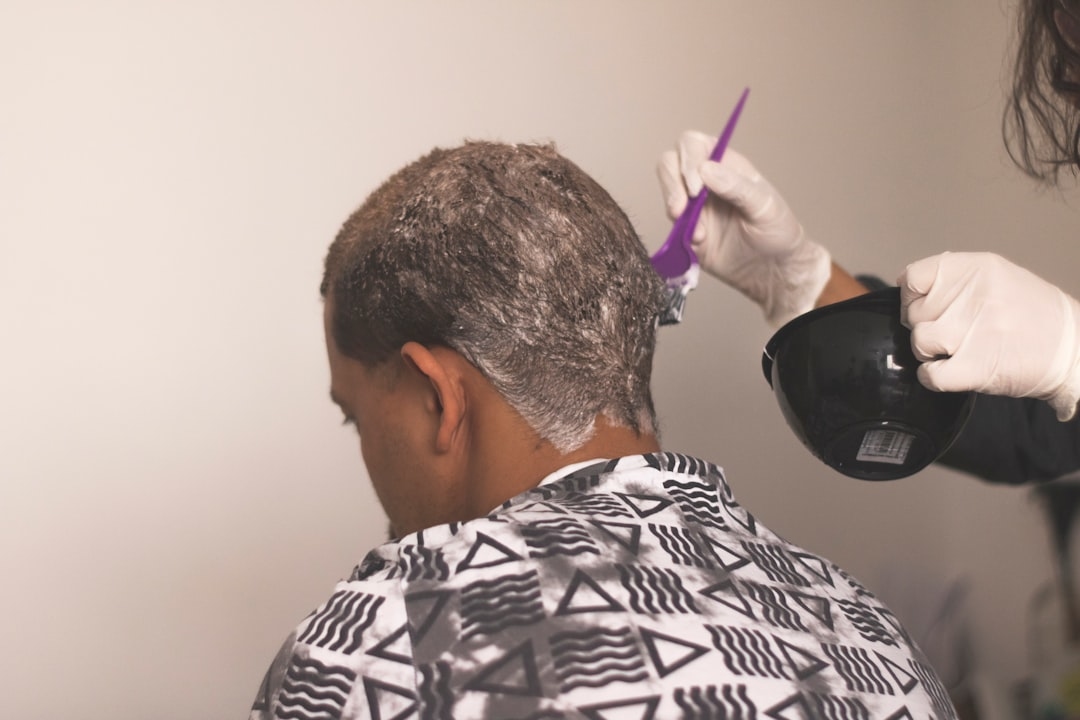
If you’re only bleaching new growth, you’ll need considerably less time—usually 15 to 25 minutes. The previously bleached hair along your lengths is already compromised and will lighten faster if the bleach touches it. Protect already-lightened sections by applying bleach only to new growth at the roots.
Going Platinum or Very Pale
Achieving platinum blonde or very pale shades typically requires multiple sessions rather than one long bleaching. A single session maxing out at 45 minutes usually gets you to a light golden blonde. Reaching pale ash blonde or platinum requires a second bleaching session after allowing your hair to recover for at least 2 weeks. This staged approach prevents the catastrophic damage that comes from over-processing in one go.
Darker Skin Tones and Warm Undertones
The bleaching timeline is the same regardless of skin tone, but timing becomes even more crucial because any banding or uneven processing shows more dramatically. Take extra care checking your progress every few minutes to ensure even lightening, rather than extending the overall time on hair.
Practical Tips for Accurate Timing
- Set a timer: Use your phone or a kitchen timer. Guessing costs you precision and consistency.
- Start checking at 15 minutes: Grab a small hidden section near the nape of your neck and rinse a tiny bit to see the true colour underneath the bleach.
- Check every 5 minutes after 15: Once you’re past the 15-minute mark, monitor progress closely. Your target shade might appear at 22 minutes or 38 minutes depending on your hair.
- Keep notes: Write down the exact processing time when you achieve your desired shade. This becomes your benchmark for future applications.
- Use a strand test: Before bleaching your entire head, do a test strand on a hidden section underneath. This removes guesswork and shows you exactly how your specific hair will respond.
- Prepare all materials beforehand: Mix your bleach and developer just before applying. Don’t let mixed bleach sit—it loses potency within 15 to 20 minutes.
FAQ: Common Questions About Bleach Timing
Can I leave bleach on for 60 minutes to get a lighter result?
No. After 45 to 50 minutes, additional time causes only damage without additional lightening. Your hair reaches its maximum lift for that session. Multiple sessions spaced weeks apart work far better than one extended application.
What’s the minimum time I need to leave bleach on?
At least 20 minutes for most hair types, though finer hair might show results at 15 minutes. Check your specific product instructions—some professional formulas work faster than others. Don’t rinse earlier just because you’re nervous; let the chemistry do its job for a minimum of 20 minutes.
Does leaving bleach on overnight give better results?
Absolutely not. Bleach stops lifting your hair after a certain point and simply damages it further. Overnight applications cause severe breakage and potential chemical burns on your scalp. Stick to the recommended 20 to 45-minute window, never extending beyond 60 minutes under any circumstances.
How do I know when to stop the bleach processing?
When your hair reaches the pale yellow or pale blonde shade you’re aiming for, rinse it out immediately with cool water. Don’t wait for it to get whiter—very pale yellow is often the safest stopping point for home applications.
Can processing time vary between different bleach brands?
Yes. Some professional brands process in as little as 25 minutes, whilst drugstore brands typically need the full 45 minutes. Always read your specific product’s instructions—they account for formulation differences and developer strength.
Moving Forward With Confidence
Knowing how long to leave bleach in your hair transforms the entire experience from nerve-wracking guess to controlled process. The 20 to 45-minute standard gives you a framework, but your own hair’s response—informed by a test strand and careful checking—is your actual guide. Start conservatively with timing, document what works for your specific hair type, and remember that another session is always an option if you haven’t reached your goal. Your hair’s health matters far more than achieving perfection in a single application. Take your time, monitor closely, and you’ll achieve the results you want without the regrets so many people experience from bleaching at home.


Add Comment