Contents:
- Why Texture Matters More Than You Think
- Understanding Your Hair Type Before You Start
- Fine or Thin Hair
- Thick or Coarse Hair
- Straight Hair
- Wavy or Curly Hair
- Method 1: Sea Salt Spray—The Budget Miracle Worker
- How to Use It
- Why It Works
- Method 2: Braiding—Free Texture While You Sleep
- Tight Braids for Pronounced Waves
- Loose Braids for Gentle Texture
- The Heatless Wave Hack
- Method 3: Heat Styling—Curling Irons and Crimpers
- Curling Iron Waves
- Crimping for Maximum Texture
- The Barrel Twist Method
- Method 4: Dry Shampoo and Texturising Sprays
- Strategic Dry Shampoo Application
- Texture Sprays
- Method 5: Professional Treatments and Salon Services
- Permanent Waves (Perms)
- Digital Perms
- Keratin Texture Treatments
- Layered Cutting
- Common Mistakes to Avoid
- Applying Products to Wet Hair Then Blow-Drying Without Texture
- Using Too Much Product
- Sleeping on Braids Without Damp Hair
- Skipping Heat Protectant
- Expecting Permanent Texture to Look Perfect Immediately After a Perm
- Layering Your Techniques for Maximum Impact
- The Daily Routine (Cost: £0–3)
- The Weekend Texture Boost (Cost: £4–8)
- The Monthly Treatment (Cost: £5–40)
- FAQ: Common Questions About Adding Texture
- How Long Does Added Texture Last?
- Can I Add Texture to Very Short Hair?
- Will Adding Texture Damage My Hair?
- What’s the Cheapest Way to Add Texture?
- Can I Add Texture If My Hair Is Coloured or Bleached?
- Your Texture Journey Starts Now
Flat, limp hair can feel deflating. You brush it, style it, and by midday it’s clinging to your scalp with all the personality of a wet flannel. Yet the solution doesn’t require expensive salon visits or complicated chemical treatments. Texture transforms hair from mundane to memorable—and you can achieve it yourself, affordably, starting today.
Quick Answer
Add texture to hair through layering cuts, salt sprays, braiding before sleep, dry shampoo, heat-styling techniques, or permanent methods like perms. Budget-friendly approaches include sea salt spray (£3–8), braiding, and blow-dry styling. Salon-quality results cost £20–60 for cuts; professional texturising treatments run £40–120.
Why Texture Matters More Than You Think
Texture creates dimension, movement, and visual interest. A head of straight, one-length hair lacks depth. Texture gives your styling options: you can wear it sleek on days you prefer polish, or embrace the waves and curls for casual confidence. Beyond aesthetics, texture holds styles longer. Textured hair grips bobby pins and doesn’t slip out of updos. It also photographs better—flat hair looks thinner on camera; textured hair photographs with body and volume.
The key insight: texture is manipulable. You’re not stuck with the hair you were born with. With the right techniques and products, anyone can add texture regardless of hair type, length, or genetics.
Understanding Your Hair Type Before You Start
Not all hair textures are created equal. Fine, limp hair behaves differently from thick, resistant hair. Curly hair already has texture built in; the challenge is often managing it, not creating it. Assessing your starting point shapes your strategy.
Fine or Thin Hair
Fine hair appears flat because individual strands lack volume. Texture methods must be gentle—harsh treatments break fine hair. Salt sprays, braiding, and light layering work best. Avoid heavy oils or creams that weigh fine hair down. Volumising dry shampoos (brands like Batiste, around £2.50 per can) add grip without weight.
Thick or Coarse Hair
Thick hair holds texture beautifully and forgives experimentation. You can use stronger products, tighter braids, and more aggressive heat styling. Thick hair often benefits from permanent texturising—perms or chemical treatments create lasting waves or curls.
Straight Hair
Naturally straight hair has the least built-in texture. The good news: it’s a blank canvas. Straight hair accepts waves, curls, and crimped texture readily. Most techniques work quickly on straight hair because there’s no existing pattern fighting the new shape.
Wavy or Curly Hair
Your hair already has texture. The goal here is usually enhancing what exists, not creating it from scratch. Focus on curl-defining techniques and products that accentuate your natural pattern.
Method 1: Sea Salt Spray—The Budget Miracle Worker
Sea salt spray is the fastest, cheapest path to texture. It works by roughening the hair cuticle, creating grip and definition. A £5 bottle lasts 2–3 months with regular use.
How to Use It
Spray onto damp hair, scrunch with your hands, and blow-dry. Or apply to dry hair, mist with water, and let air dry for a softer texture. The salt mimics the effect of saltwater waves—hence the name. Brands like Tresemmé Sea Salt Spray (£3.50) and Lee Stafford (£5.99) deliver professional results cheaply.
Why It Works
Salt increases friction between strands. Instead of sliding smoothly past each other, textured hair grips. This grip creates visible waves and prevents flatness. The effect is temporary—it washes out with your next shampoo—but you can reapply daily at negligible cost.
Specific tip: Apply salt spray to mid-lengths and ends, not roots. Too much at the roots looks greasy and weighs hair down. Two to four spritzes per section is usually sufficient.
Method 2: Braiding—Free Texture While You Sleep
Braid your hair before bed, sleep on it, unbraid in the morning. This ancient technique costs nothing and works on any hair length.
Tight Braids for Pronounced Waves
Divide damp hair into 2–4 sections and braid each tightly. Sleep for 6–8 hours. Unbraid in the morning and finger-comb to soften the waves. Tight braids create deep, pronounced waves lasting 24–48 hours.
Loose Braids for Gentle Texture
For finer hair or subtle texture, use loose braids. The result is gentler, less dramatic, but still textured and voluminous.
The Heatless Wave Hack
For maximum texture without heat, braid damp hair, spray with a light texturising spray, and leave plaited overnight. This combines two free or cheap methods for impressive results. Dutch or French braids create tighter, more defined waves than simple three-strand plaits.
Science behind it: Braiding reshapes the protein structure temporarily. As hair dries in the braided position, it sets into waves. The longer you leave braids in, the longer the texture lasts.
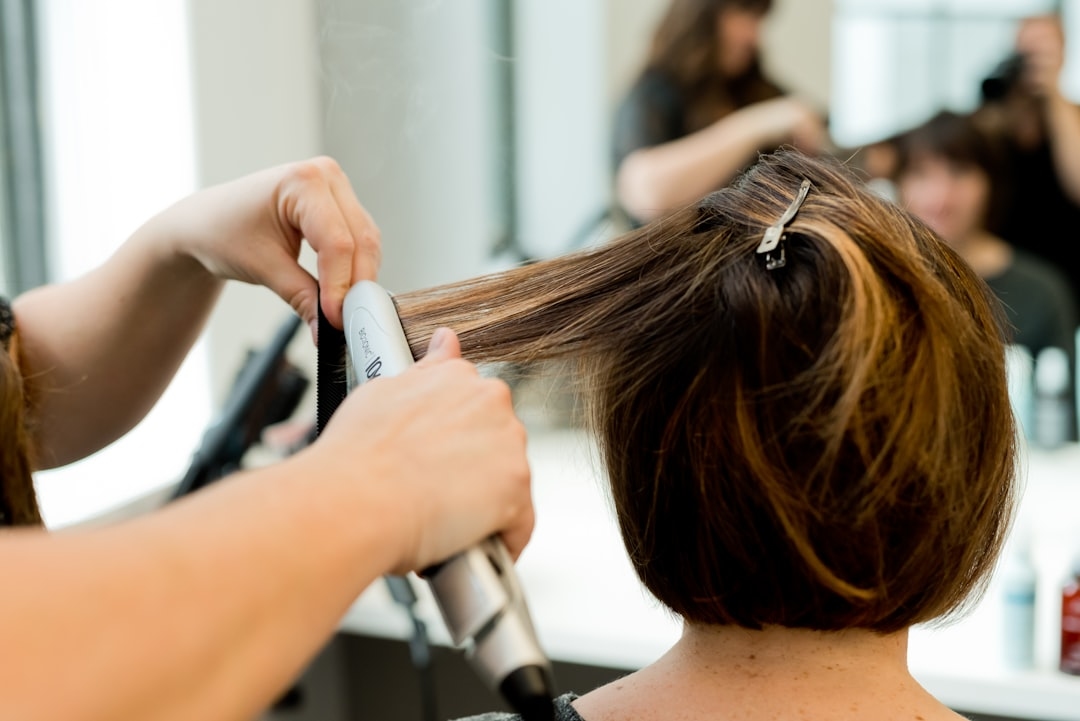
Method 3: Heat Styling—Curling Irons and Crimpers
Heat tools create instant, controllable texture. A curling iron or crimper costs £15–40 upfront but lasts years, making the per-use cost minimal.
Curling Iron Waves
Use a 32mm or 38mm barrel. Clamp a 2-inch section of hair, rotate the barrel away from your face, and hold for 8–10 seconds. Release. Repeat across your head. Tighter spirals create defined curls; looser movements create softer waves. A budget curling iron like Revlon (£12–20) works as well as premium brands for basic texturising.
Crimping for Maximum Texture
Crimpers create zigzag texture instantly. They’re less fashionable than they were in the 1980s, but they work brilliantly for adding volume and grip. Crimper £8–25. Crimp the roots and mid-lengths for maximum body; crimping just the ends looks patchy.
The Barrel Twist Method
For looser, more textured waves, use your curling iron sideways—hold it horizontally and twist the barrel as you move it down the hair section. This creates less defined curls and more natural-looking texture.
Essential tip: Always apply heat-protectant spray first. A £4 can lasts months. Sprays like Batiste Heat Protect (£3.99) prevent damage and actually improve how texture holds.
Method 4: Dry Shampoo and Texturising Sprays
Dry shampoo isn’t just for refreshing unwashed hair—it’s a texture tool. It absorbs scalp oil, creating grip so texture holds better and longer.
Strategic Dry Shampoo Application
Spray dry shampoo at the roots before styling, let sit for 30 seconds, massage in gently. This creates a non-slip base. When you then style with braids, heat tools, or salt spray, the texture grips and lasts longer. One can (£2–4) lasts 6–8 weeks with regular use.
Texture Sprays
Different from sea salt spray, texture sprays are lighter and less sticky. They’re designed to enhance existing texture and add grip. Try Bumble and bumble Thickening Full Form Mousse (£26) for a luxury option, or Superdrug B. Unique Volumising Mousse (£2.99) for budget alternatives. Mousse works similarly—apply to roots and texture, let dry.
Method 5: Professional Treatments and Salon Services
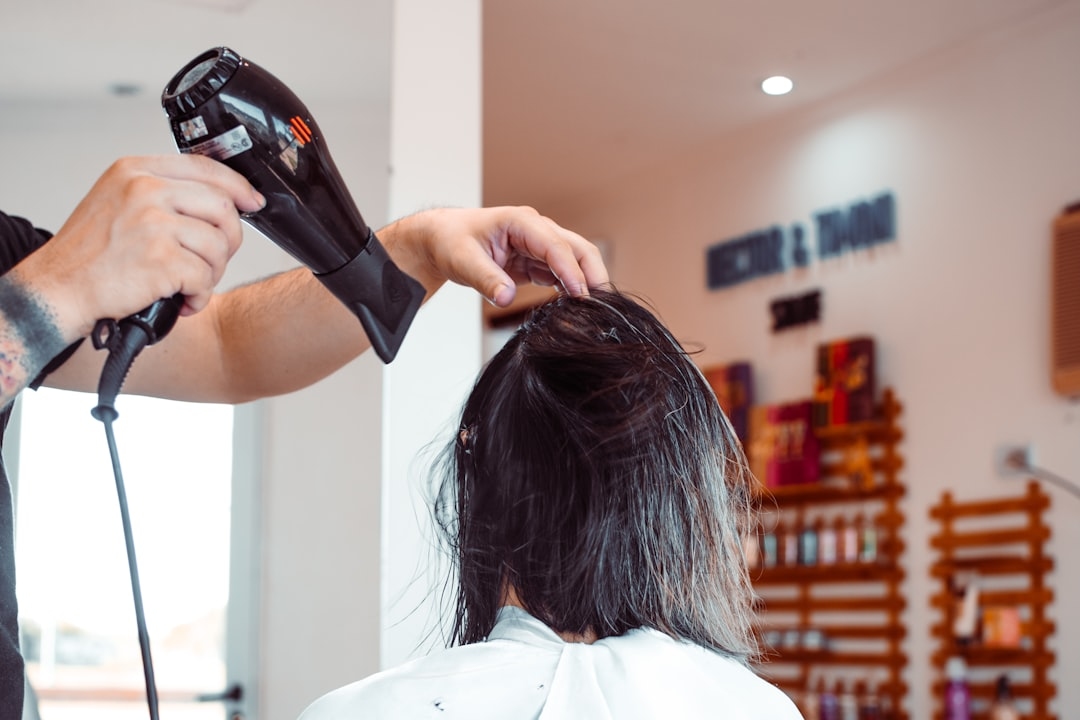
DIY methods work beautifully, but some results only come from professional treatments.
Permanent Waves (Perms)
A perm chemically restructures your hair into waves or curls lasting 3–6 months. Cost: £40–120 depending on hair length and salon location. Quality varies enormously. A good perm from a skilled stylist looks natural; a cheap one can look frizzy or damage hair.
Perms suit all hair types but work best on hair that’s previously uncoloured or minimally processed. If your hair is heavily bleached or dyed, perms risk breakage. Always consult the stylist about your hair history before committing.
Digital Perms
A modern alternative, digital perms use heated rods and gentler chemicals. They create softer, more natural-looking waves than traditional perms. Cost: £80–150. Results last 4–6 months. Gentler on hair but pricier.
Keratin Texture Treatments
Keratin treatments add smoothness but can reduce texture. However, some keratin formulas (like Coppola Keratin Complex, £45–80) add subtle wave while smoothing frizz. Ask your stylist specifically for a product that enhances texture rather than eliminating it.
Layered Cutting
An expert layered cut instantly adds texture and movement. Even straight, one-length hair looks textured when cut in layers. A good cut costs £25–50 at local salons, £60+ at high-street chains. The investment lasts 6–8 weeks before regrowth diminishes the effect. Many stylists offer free or cheap trims between cuts to maintain texture.
Common Mistakes to Avoid
Good intentions often go sideways. Here’s what not to do.
Applying Products to Wet Hair Then Blow-Drying Without Texture
If you apply sea salt spray or mousse but blow-dry with a paddle brush on high heat, you’ll flatten everything. Blow-dry texture with a diffuser attachment, your fingers, or a round brush—never a paddle brush if you want texture to hold.
Using Too Much Product
More product does not equal better texture. Overloading with salt spray, mousse, or dry shampoo makes hair look greasy and weighs it down. Start with two spritzes or a small dollop; add more only if needed.
Sleeping on Braids Without Damp Hair
Braiding dry hair doesn’t create lasting texture. You need moisture to reset the hair structure. Always braid damp (not soaking, just damp) hair for best results.
Skipping Heat Protectant
Heat tools damage unprotected hair, making it frizzy, brittle, and prone to breakage. This actually damages texture rather than creating it. A £3–4 spray solves this completely.
Expecting Permanent Texture to Look Perfect Immediately After a Perm
Fresh perms look tighter and frizzier than the final result. Wait 48–72 hours before judging. Wash gently with curl-specific shampoo (like Cantu Shea Butter, £4–5), and the curls relax into softer, more natural-looking texture.
Layering Your Techniques for Maximum Impact
Combining methods multiplies results. Here’s a practical routine that costs under £15 monthly.
The Daily Routine (Cost: £0–3)
Morning: spray damp roots with dry shampoo, let sit 30 seconds. Apply sea salt spray to mid-lengths and ends. Blow-dry with a diffuser or scrunch with your hands. Takes 10 minutes, costs 30p of product. Lasts all day.
The Weekend Texture Boost (Cost: £4–8)
Friday night: braid damp hair and sleep on braids. Saturday morning: unbraid, spray with sea salt spray, scrunch. You’ve got textured waves lasting through Saturday night. Reapply salt spray Saturday evening if needed.
The Monthly Treatment (Cost: £5–40)
Once monthly, visit a salon for a fresh layered cut (£25–40) or a trim between cuts (free or £5–10). Maintenance cuts keep textured cuts looking fresh. Alternatively, at home, apply a heat protectant, use your crimper or curling iron on different sections, then spray with salt spray and let cool. This 20-minute session costs £3–5 in product.
FAQ: Common Questions About Adding Texture
How Long Does Added Texture Last?
Temporary methods (braiding, salt spray, heat styling) last 24–48 hours. Dry shampoo-enhanced texture lasts 1–2 days. Professional perms and permanent waves last 3–6 months. Chemical treatments begin to relax after each wash, so results gradually soften.
Can I Add Texture to Very Short Hair?
Yes, but with limitations. Hair shorter than 2 inches struggles to hold braids. Heat tools work fine but create less obvious texture on very short hair. Dry shampoo and salt spray work well. A layered cut on short hair makes the biggest difference—ask your stylist for choppy, textured layers.
Will Adding Texture Damage My Hair?
Temporary methods (braiding, salt spray) don’t damage hair. Heat styling can damage unprotected hair but doesn’t when you use heat protectant spray. Chemical treatments (perms, relaxers) do chemically alter hair and carry some risk, especially on previously processed hair. If you’re concerned, do a strand test first or consult a professional colourist.
What’s the Cheapest Way to Add Texture?
Braiding costs nothing. A one-time £3–8 bottle of sea salt spray gives you months of texture. Combined, you can achieve textured hair for under £10 and then maintain it free. Heat tools (£15–40) offer excellent value because they last years—the per-use cost drops to pence.
Can I Add Texture If My Hair Is Coloured or Bleached?
Yes to temporary methods. Braiding, salt spray, and blow-dry styling work on any hair. Heat tools work too but risk further damage on fragile bleached hair, so use lower temperatures and always heat protect. Chemical texturising (perms) is riskier on bleached hair—discuss this honestly with your stylist. Many stylists recommend waiting 4–6 weeks after bleaching before perming.
Your Texture Journey Starts Now
Beautiful, textured hair doesn’t require expensive treatments or genetic luck. Start with the simplest, cheapest method: sea salt spray and braiding. You’ll see results within days. Once you understand what texture looks like on your hair, you can layer in heat styling or save for a professional cut or perm. The most important factor isn’t the method—it’s consistency. Apply texture weekly, and people will start asking what you’ve changed. They’ll assume you’ve had a salon transformation when really you’ve just mastered a skill available to everyone.
Textured hair photographs better, holds styles longer, and makes you feel more polished. That confidence is worth the small effort and smaller cost.


Add Comment