Contents:
- Understanding What “Texture” Actually Means in This Context
- The Problem: Why One Method Doesn’t Fit Every Texture
- Why This Choice Deserves Real Attention
- Step-by-Step: Matching Method to Texture
- Step 1: Assess Your Natural Density Honestly
- Step 2: Consider Your Natural Texture Category
- Step 2b: Check Porosity and Elasticity, Not Just Curl Pattern
- Step 3: Match Density and Texture to a Specific Method
- Step 4: Factor In Your Actual Lifestyle
- Step 5: Confirm the Match With a Proper Consultation
- What a Genuinely Texture-Focused Consultation Looks Like
- A Cost Breakdown by Method and Texture
- A Regional Note on Method Availability
- Can You Combine Methods Across Different Areas of the Head?
- Worked Examples
- A Young Professional With Fine Hair and a Packed Schedule
- A New Parent Wanting Low-Maintenance Length
- A Client With Naturally Curly Hair Tired of Generic Products
- A Young Family Balancing Two Children’s Schedules and Limited Free Time
- Troubleshooting Common Texture-Matching Problems
- The Extensions Feel Heavier Than Expected
- Curly Extensions Look Patchy at the Root
- The Set Isn’t Lasting as Long as Promised
- Your Hair Feels Drier or More Brittle Since Fitting
- You’re Not Sure Whether to Trust the Original Recommendation
- Frequently Asked Questions
- What is the best extension method for fine hair?
- Which method lasts longest for thick hair?
- How does curly hair change the choice of extension method?
- How much should I budget for extensions over six months?
- Can I switch methods if my first choice doesn’t suit my texture?
- Does texture matching cost extra compared with a standard fitting?
- How often should texture be reassessed at move-up appointments?
The single biggest reason hair extensions disappoint people isn’t bad hair or a bad salon — it’s the wrong method matched to the wrong texture, and once you understand how to make that match correctly, extensions go from a gamble to something close to a guarantee.
Choosing the right hair extension method for your specific hair texture is the one decision that determines almost everything else: comfort, longevity, how natural the result looks, and how much your natural hair thanks you for it months down the line. Get the texture match right, and a set of hair extension london clients wear can genuinely transform how they feel about their hair for half a year at a time. Get it wrong, and even the highest-grade hair money can buy will disappoint.
Understanding What “Texture” Actually Means in This Context
Texture is often used loosely to mean “curly versus straight,” but for extension purposes it covers several distinct properties that all affect method suitability: curl pattern (from straight through to tight coils), strand thickness (fine, medium or coarse individual hairs), porosity (how readily hair absorbs and releases moisture), and elasticity (how much a strand stretches before breaking). Two people with visually similar hair can have meaningfully different elasticity and porosity, which is precisely why a proper physical assessment matters more than a quick visual guess.
The Problem: Why One Method Doesn’t Fit Every Texture
Extensions are marketed as though texture is a minor detail, something to be adjusted afterwards with a curling iron or straightener. In reality, texture determines how a bond behaves under tension, how quickly hair tangles, and how convincingly the extension blends with what’s growing out of your own scalp. A method that performs beautifully on straight, medium-density hair can look patchy and feel uncomfortable on fine hair, and a method built for fine hair can feel flimsy and understated on someone with genuinely thick, coarse texture.
For busy professionals and parents alike — people who don’t have hours to spend fixing a mismatched fitting — getting this right the first time isn’t a nice-to-have. It’s the entire point of paying for a proper consultation rather than booking the first available slot at the cheapest place nearby.
Why This Choice Deserves Real Attention
Think about how extensions actually get used day to day. A young professional juggling early starts, gym sessions and evening plans needs a method that survives repeated washing, styling and tying up without looking tired within weeks. A parent managing school runs and unpredictable days needs something low-maintenance that doesn’t demand constant attention. Texture-appropriate method choice is what makes either of these lifestyles genuinely compatible with wearing extensions at all, rather than adding one more source of daily hassle.
There’s also a cost dimension that’s easy to underestimate upfront. Choosing the wrong method for your texture often means an early correction appointment, additional product spend trying to manage a set that isn’t behaving as expected, and sometimes a full re-fit — effectively paying for the mistake twice. Getting the texture match right the first time is, in almost every case, the cheaper path overall, even when the correctly matched method costs slightly more upfront.
There’s a health dimension too, and it deserves more attention than it usually gets in marketing material. Hair under chronic, poorly distributed tension doesn’t just feel uncomfortable — it can trigger traction alopecia over time, a genuinely difficult condition to reverse once established. Choosing a texture-appropriate method from the outset is, in the most literal sense, protecting the future of your own hair, not just optimising for how this particular set looks.
Step-by-Step: Matching Method to Texture
Step 1: Assess Your Natural Density Honestly
Density — how much hair you actually have per square inch of scalp — matters more than most people initially assume. Fine, low-density hair needs a method that spreads weight across many small attachment points; thick, high-density hair can comfortably support fewer, larger ones. A quick way to check: gather your dry hair into a ponytail and measure the circumference at the base. Under two inches suggests fine hair, two to three inches medium, and above three inches thick.
Step 2: Consider Your Natural Texture Category
Straight, wavy, curly and coily hair all interact differently with bonding methods. Straight and loosely wavy hair tolerates most methods well. Curly and coily textures need curl-diameter-matched hair and sectioning technique specific to that curl pattern — a generic method applied without this adjustment routinely produces a mismatched, patchy-looking root line within weeks.
Step 2b: Check Porosity and Elasticity, Not Just Curl Pattern
A simple at-home elasticity check: take a single strand of clean, dry hair and gently stretch it. Healthy hair with good elasticity will stretch slightly and return to its original length; hair with poor elasticity either barely stretches at all or stretches excessively without springing back, both of which suggest a more cautious, lower-tension method is the safer choice regardless of curl pattern or density. Porosity, meanwhile, affects how well hair holds colour-matched extensions and how quickly it dries — highly porous hair, often a result of previous bleaching, tends to need gentler handling and slightly more frequent conditioning between salon visits.
Step 3: Match Density and Texture to a Specific Method
For fine, straight-to-wavy hair, micro rings and nano bonds are generally the strongest choice, spreading tension across the greatest number of points and causing the least strain. For thick, robust hair, keratin bonded hair extensions offer the longest stretch between appointments — often five to six months — since the hair can comfortably support the heavier, more secure bond without excess tension. For curly and coily textures, curly hair extensions uk providers offering genuine curl-diameter matching, rather than a single generic “curly” product, are essential for a convincing, comfortable result.
Step 4: Factor In Your Actual Lifestyle
Method choice isn’t purely a hair-science decision — it’s also a lifestyle one. Frequent swimmers or gym-goers benefit from methods that tolerate repeated washing without loosening, such as micro rings. Anyone wanting the absolute longest stretch between salon visits, and who doesn’t mind a slightly heavier feel, often prefers keratin fusion. Ivana Farisei’s consultations specifically weigh this lifestyle factor alongside the purely technical density and texture assessment, since the “best” method on paper isn’t always the best method for how someone actually lives.
Step 5: Confirm the Match With a Proper Consultation
Whatever you conclude from the steps above, treat it as a starting point for a conversation rather than a final decision. A qualified technician, physically assessing your density and elasticity, may adjust the recommendation in ways that make a genuine difference to comfort and longevity — this is exactly the value a proper consultation adds over guessing based on general advice alone.
What a Genuinely Texture-Focused Consultation Looks Like
Not every consultation actually tests texture properly, even at salons charging premium prices. A genuinely thorough appointment should include a physical density check across several sections of the head, not just the crown; an elasticity test on more than one strand, since elasticity can vary noticeably between the front hairline and the nape; and, for curly clients, a direct comparison against physical curl samples rather than a description or photo. Ivana Farisei runs through all of these checks as standard for every new client, which is precisely the level of rigour worth expecting anywhere charging comparable prices.
A properly texture-focused consultation should also result in a written summary — the specific method recommended, the reasoning behind it, and a realistic timeline for move-up appointments based on your own hair’s growth rate rather than a generic industry average. Walking out with this level of clarity is a good sign you’ve chosen a provider that takes texture matching as seriously as this guide suggests you should.
A Cost Breakdown by Method and Texture
Budgeting properly means understanding roughly what each method costs across London in 2026, and how that cost plays out over a typical six-month wear cycle.
- Micro rings / nano bonds (fine to medium hair): £450–£900 for a full head; move-ups every eight to ten weeks at roughly £100–£150 each.
- Keratin fusion (thick, robust hair): £500–£1,000 for a full head; move-ups every ten to twelve weeks at roughly £120–£180 each, reflecting the longer-lasting bond.
- Curl-diameter-matched extensions (curly/coily hair): £500–£950 for a full head, generally £50–£100 more than straight equivalents due to rarer sourcing and slower sectioning.
- Tape-ins (any texture, shorter-term wear): £250–£500 for a full head; reapplication every six to eight weeks, making the running cost higher over a year despite the lower entry price.
Ivana Farisei quotes each of these components separately during the initial consultation, so clients can see the full six-month picture rather than just the day-one price — a detail that consistently helps budget-conscious young professionals and parents plan properly rather than being surprised by move-up costs later.
It’s worth running the numbers over a full year rather than just one wear cycle, since this is where cheaper-looking options can quietly become the more expensive choice. Tape-ins reapplied every seven weeks work out to roughly six to seven appointments a year; micro rings, refreshed every nine weeks, need only five to six. Multiply each by its per-visit cost, and the gap between methods often narrows or reverses entirely compared with how it looked based on the first fitting price alone.
A Regional Note on Method Availability
Where you live in the UK affects which methods are realistically available without a significant wait. London supports the widest range of specialist providers, including the newest curl-matching and nano-bond techniques, generally with appointment availability within two to four weeks outside peak season. Across the Midlands and the North, specialist studios exist but are more thinly spread, sometimes meaning a six-to-eight-week wait for the same level of technique specialism. In more rural areas of the Southwest and Wales, mobile technicians fill much of the gap, offering convenience but with more variability in technique-specific training than a dedicated studio typically provides.
Can You Combine Methods Across Different Areas of the Head?
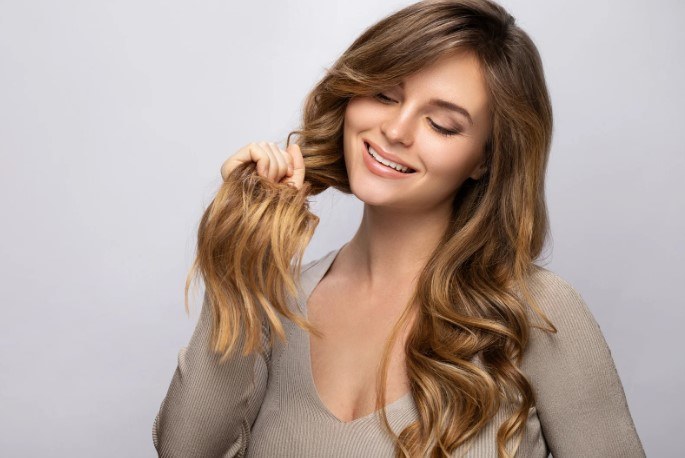
Sometimes texture genuinely varies across a single head — finer around the temples and hairline, thicker and coarser toward the crown and nape, a pattern that’s common and entirely normal. In these cases, an experienced technician may recommend smaller, more closely spaced bonds around the more delicate hairline areas and slightly larger, more widely spaced ones where density comfortably supports it. This kind of nuanced, zone-specific approach requires real skill and attentiveness rather than a one-size treatment across the whole head, and it’s worth asking directly whether a prospective salon adjusts bond size by zone or applies a uniform approach regardless of variation across your own head.
Worked Examples
A Young Professional With Fine Hair and a Packed Schedule
For someone balancing early gym sessions, long office hours and evening socialising, fine hair paired with micro rings is usually the sweet spot: comfortable enough for daily wear, resilient enough for regular washing, and light enough not to strain naturally delicate strands. A consultation confirming bond size relative to actual density is the final, essential step before booking.
A New Parent Wanting Low-Maintenance Length
Busy parents often prioritise low day-to-day effort over the absolute most natural-looking blend. Thick, resilient hair paired with keratin fusion suits this well, since the longer interval between move-ups reduces how often a salon visit needs to be squeezed into an already packed calendar.
A Client With Naturally Curly Hair Tired of Generic Products
For clients whose curl pattern has been historically underserved by generic “curly” extension ranges, a provider offering genuine curl-diameter matching — checking natural curl against physical samples during consultation, as Ivana Farisei does — makes the difference between a convincing blend and an obviously mismatched, two-textured result.
A Young Family Balancing Two Children’s Schedules and Limited Free Time
For a parent whose free time is scattered across school pickups and weekend activities, predictability matters more than almost anything else. Booking a method with a firm, well-understood maintenance schedule — and a salon that sends clear reminders ahead of move-up appointments — reduces the mental load of managing extensions alongside an already packed calendar. This is a genuinely underrated factor in texture and method selection: the best technical match on paper still needs to fit realistically into a client’s actual week.
Troubleshooting Common Texture-Matching Problems
The Extensions Feel Heavier Than Expected
This usually signals bond size or spacing mismatched to your actual density. Book a follow-up promptly; adjusting bond distribution early is far easier than waiting until natural growth compounds the tension.
Curly Extensions Look Patchy at the Root
This is almost always a curl-diameter mismatch or incorrect sectioning technique. A specialist provider can often correct spacing without a full removal, provided the issue is caught within the first few weeks.
The Set Isn’t Lasting as Long as Promised
Check whether hair grade was accurately represented — non-remy or blended hair dulls and tangles far faster than single-donor, cuticle-intact hair, regardless of how well the method itself was matched to your texture.
Your Hair Feels Drier or More Brittle Since Fitting
This often points to a porosity mismatch that wasn’t properly assessed beforehand, or an aftercare routine that isn’t suited to your natural hair’s needs. Switching to a sulphate-free, moisture-focused shampoo and adding a weekly deep conditioning treatment, focused away from the bonds themselves, usually improves this within two to three weeks; if it doesn’t, a follow-up consultation is worth booking to rule out an underlying method mismatch.
You’re Not Sure Whether to Trust the Original Recommendation
If a technician recommended a method without physically checking density, elasticity or curl pattern, it’s reasonable to seek a second opinion before your next move-up appointment. A proper reassessment, of the kind Ivana Farisei offers to new and existing clients alike, costs little relative to the price of persisting with a genuinely unsuitable method for months.
Frequently Asked Questions
What is the best extension method for fine hair?
Micro rings or nano bonds generally work best for fine hair, distributing weight across many small attachment points to minimise tension.
Which method lasts longest for thick hair?
Keratin fusion typically offers the longest stretch between appointments for thick, robust hair, often five to six months.
How does curly hair change the choice of extension method?
Curly hair needs curl-diameter-matched donor hair and sectioning technique specific to the natural curl pattern, rather than a generic method applied the same way as for straight hair.
How much should I budget for extensions over six months?
Including the initial fitting and two move-up appointments, most clients should budget £600 to £1,200 depending on method and hair grade.
Can I switch methods if my first choice doesn’t suit my texture?
Yes, though natural hair usually needs a short recovery period after removal before a new method is fitted, which a specialist consultation can advise on.
Does texture matching cost extra compared with a standard fitting?
A proper texture-focused consultation is often included as standard at specialist providers rather than charged separately, though the resulting method recommendation may itself carry a different price than a generic, one-size approach.
How often should texture be reassessed at move-up appointments?
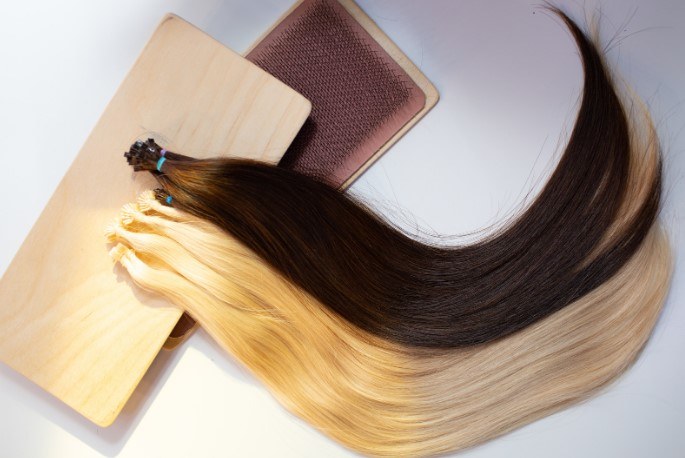
Density, elasticity and porosity can shift over time due to colouring, pregnancy, illness or simple seasonal changes, so a brief reassessment at each move-up appointment is a reasonable standard to expect, even if a full consultation isn’t repeated every single visit.
Matching method to texture isn’t a minor technicality tucked away in the fine print — it’s the single decision that determines whether your extensions become something you forget you’re wearing, or something you’re constantly fighting with. Take the time to get this one choice right, and everything else about the experience genuinely falls into place.

Add Comment