Contents:
- Why Buns Are Perfect for Long Hair
- Essential Tools and Products You’ll Need
- Hair Elastics and Ties
- Bobby Pins and Grips
- Texturising Products
- Styling Cream or Gel
- The Classic Twisted Bun: Step-by-Step
- Preparation
- Creating the Base
- The Twist
- Finishing
- The Low, Loose Romantic Bun
- The Sleek, High Performance Bun
- The Braided Bun: Adding Dimension
- Common Mistakes That Ruin Your Bun
- Bun Care: Making It Last All Day
- Seasonal Bun Styling Guide
- Eco-Friendly Bun Practices
- Expert Tips from Professional Stylists
- Frequently Asked Questions
- How long does it take to master a bun?
- Can you do a bun with very thick hair?
- What’s the difference between a bun and a chignon?
- Is it bad to wear buns every day?
- How do I remove my bun without damaging my hair?
- Moving Forward: Your Bun Toolkit
Why do some people’s buns stay flawlessly in place all day, whilst others unravel by mid-morning?
The answer isn’t luck—it’s technique. Whether you’re styling for a professional meeting, a weekend outing, or simply keeping your hair out of the way during a busy day, knowing how to do a bun with long hair is a skill that transforms your daily routine. Long hair presents unique challenges: weight distribution, slip, and maintenance. But once you understand the fundamentals, you’ll never struggle with a messy, drooping bun again.
We’ve spoken with Sophie Chen, a trichologist and hair health specialist based in London, who notes that “the secret to a secure, healthy bun lies in three elements: tension control, the right tools, and proper foundation. When done correctly, buns actually protect long hair from environmental damage and reduce daily styling stress.”
Why Buns Are Perfect for Long Hair
Long hair requires practical management. A well-constructed bun serves multiple purposes beyond aesthetics. It keeps hair off your face and neck, reduces friction against clothing that causes breakage, and minimises daily manipulation. During spring and summer months, when humidity and heat increase, a secure bun prevents frizz and tangling that thicker, longer strands are prone to absorbing.
From an eco-friendly perspective, mastering bun techniques means you’re less likely to resort to frequent heat styling or chemical treatments. Studies show that people who regularly wear protective styles like buns report 40% fewer split ends compared to those who wear their hair down constantly. This reduces the need for frequent trims and hair products, making it a sustainable choice for your hair and your wallet.
Buns also work year-round. During winter, they keep your hair from getting caught in scarves and coats. Spring calls for lighter, looser styles. Summer demands practical, sweat-resistant arrangements. Autumn suits textured, romantic variations. Each season offers opportunities to experiment with different bun heights and finishes.
Essential Tools and Products You’ll Need
Before diving into technique, gather the right equipment. Quality tools make an enormous difference in results.
Hair Elastics and Ties
Invest in silk or satin hair ties rather than standard elastic. These cost between £3 and £8 per set, but they reduce friction and breakage significantly. Look for brands like Slip or Kitsch, available on Amazon UK. Fabric elastics create less tension points and won’t crease your hair the way rubber bands do. You’ll want multiple ties in your everyday bag—accidents happen, and having backups prevents frustration.
Bobby Pins and Grips
Standard bobby pins work, but U-shaped grips (sometimes called hair grips) hold thicker, longer hair more securely. A pack of 50 stainless steel grips costs around £4-6 and lasts months. Keep them in a small container in your bathroom. Bronze or black finishes blend better with darker hair; metallic works for lighter shades.
Texturising Products
A texturising spray or dry shampoo (priced £6-12) provides grip without weighing hair down. Batiste, Living Proof, and Bumble and bumble all offer excellent UK options. These products add friction to smooth strands, making them less likely to slip from elastics. Apply sparingly to the crown and where you’ll anchor the bun.
Styling Cream or Gel
For flyaways and refined finishes, a lightweight styling cream (£8-15) keeps everything sleek. Avoid heavy pomades that make long hair look greasy. SheaMoisture or Cantu offer affordable options from Boots.
The Classic Twisted Bun: Step-by-Step
This is the most versatile style. It works for casual days, professional settings, and formal occasions depending on how you finish it.
Preparation
Start with hair that’s at least partially dry. Damp hair creates tension issues. If your hair is freshly washed, blow-dry it first or wait a few hours. Apply texturising spray to the crown and through mid-lengths.
Creating the Base
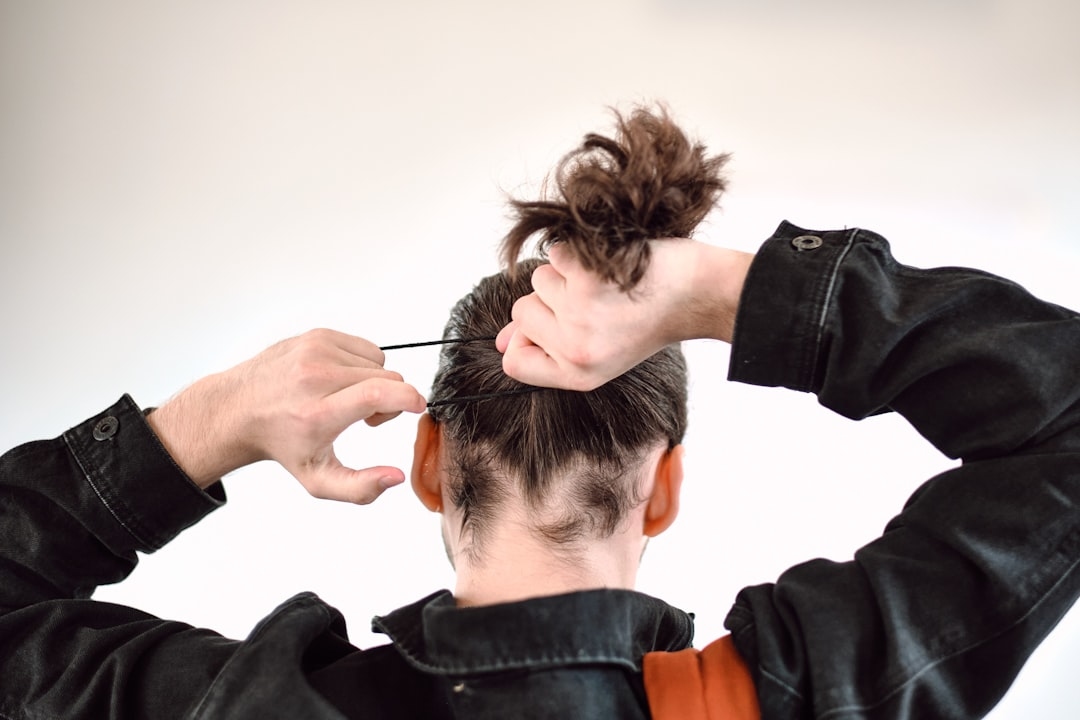
Brush your hair thoroughly to remove tangles. Gather all hair into a high, tight ponytail at the crown using a silk elastic. Position it where you want the bun to sit—typically 2-3 inches above the base of your skull. Secure firmly but not painfully; you should be able to fit one finger between the elastic and your scalp.
The Twist
Divide the ponytail into two equal sections. Twist one section clockwise around the other in a spiral motion, maintaining tension as you go. This creates structure. Once fully twisted, wrap the spiral around the base of the ponytail, forming a coil. Tuck the end underneath and secure with 3-4 bobby pins pushed firmly into the bun base.
Finishing
Smooth flyaways with a light application of styling cream. For a polished look, place pins strategically around the perimeter. For a relaxed style, gently pull small pieces of hair from the bun to create texture and volume. This “undone” effect takes just 30 seconds but elevates the style significantly.
The Low, Loose Romantic Bun
Perfect for spring occasions, weekend wear, or when you want an effortlessly elegant look.
Create a low ponytail at the nape of your neck instead of the crown. Use only one elastic—place it roughly two-thirds of the way down the length of the ponytail. This leaves a 3-4 inch tail hanging below the elastic. Wrap this tail loosely around the elastic, creating a soft loop. Secure with 2-3 pins, positioning them loosely so they don’t create dents. Gently pull sections of the bun outward to increase volume and create that relaxed, romantic texture. This style suits heart-shaped faces particularly well and looks stunning with soft waves rather than perfectly straight hair.
The Sleek, High Performance Bun
For sports, intensive workdays, or situations where security matters most, this technique keeps every strand perfectly anchored.
Apply texturising spray generously to damp hair before drying. Create an extremely tight, high ponytail. Using a bun former (a £2-5 plastic donut-shaped tool), thread your ponytail through it. The bun former distributes hair evenly and adds volume instantly. Wrap your ponytail around the bun former repeatedly until you reach the base. Secure every section with bobby pins—you’ll use 8-12 pins for this style. The result is bombproof: this bun won’t budge during exercise, wind, or vigorous activity.
The Braided Bun: Adding Dimension
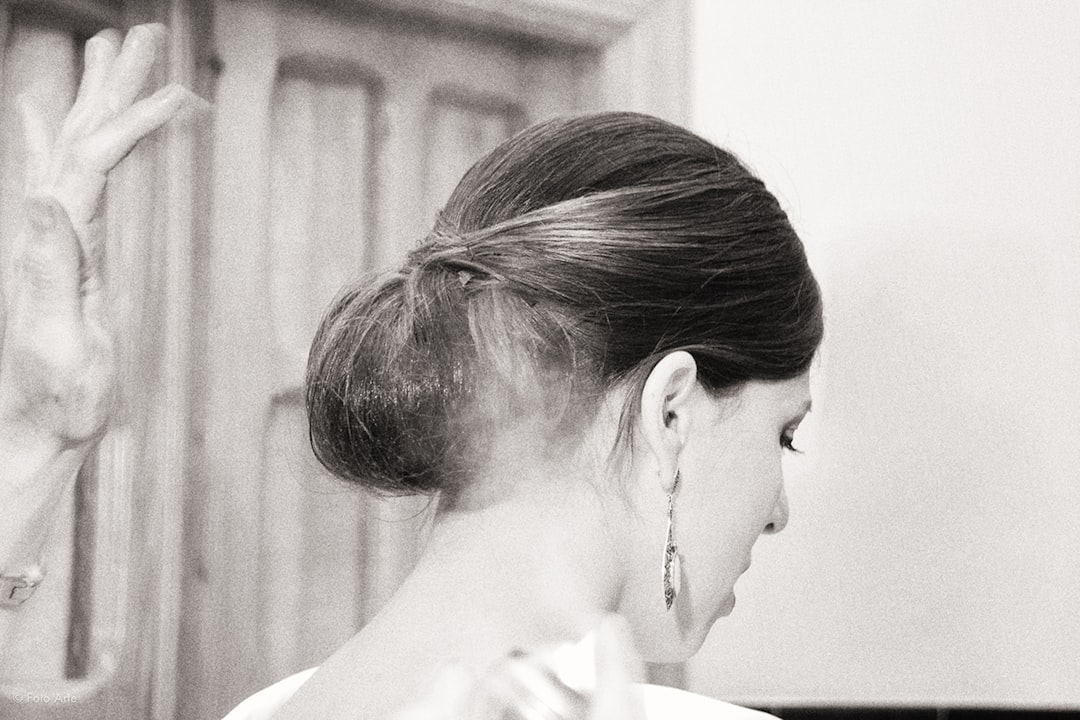
This technique adds visual interest and actually holds better than simple twists because braiding creates multiple anchor points.
Create a high ponytail. Divide it into three sections and braid from the base of the ponytail downward for about 6 inches, then release the braid slightly so it becomes a looser, thicker three-strand rope. Coil this braided rope around the ponytail base, tucking and securing with pins as you go. The braid structure grips itself and the bun, reducing slippage. This works beautifully in autumn, paired with metallic bobby pins or hair jewels for evening wear.
Common Mistakes That Ruin Your Bun
Most bun failures happen because of one of these errors:
- Creating your ponytail too low: If the base isn’t near the crown, gravity works against you. Your bun will slip downward throughout the day. Aim for the highest comfortable position.
- Using too few bobby pins: Long, thick hair needs at least 4-6 pins minimum. Don’t be stingy. A £4 pack of 50 pins will last months.
- Securing the elastic too loosely: If you can pull the ponytail easily, the bun will suffer the same fate. Tighten until it feels firm but not headache-inducing.
- Skipping texture spray on smooth hair: Slippery, silky hair slides out of elastics. Texture spray costs under £10 and solves this instantly.
- Not securing the final tail: That last inch of ponytail must be pinned down flat against the bun. If it’s loose, it’ll unravel.
Bun Care: Making It Last All Day
Your bun’s longevity depends on maintenance during the day. At midday, gently check the base. If you feel looseness, add another bobby pin. If flyaways are abundant, use a small spritz of hairspray—not the heavy kind, just a light mist from a distance. By evening, when you release your bun, your hair will likely have a slight bend or wave from the elastic. This is normal and usually looks attractive the next day when styled slightly differently.
Wearing buns regularly, especially tight ones, can stress your hairline if done daily. Hair specialists recommend alternating with loose styles at least 2-3 days per week. This gives your scalp and hair follicles recovery time, reducing the risk of traction alopecia (hair loss caused by repetitive tension).
Seasonal Bun Styling Guide
Winter (December-February): Tight, high buns protect against wind damage. Pair with a beret or hat for added security and style. Keep buns at or above the nape to prevent moisture and friction from scarves and coats.
Spring (March-May): Embrace looser, romantic styles. The weather is mild, so you can experiment with intricate braids and gentle texturing. Pin buns lower on the head as temperatures rise.
Summer (June-August): Prioritise security and heat management. High, tight buns keep hair off your neck. Use minimal pins to allow air circulation to your scalp. Consider damp buns for truly hot days—hair dries in the bun, setting any style you’ve created.
Autumn (September-November): The transition season suits mixed styles. Begin with looser buns in September, gradually tightening as temperatures drop into October and November. This is prime time for decorated, elegant buns suitable for festivals and special events.
Eco-Friendly Bun Practices
Making sustainable choices with your bun routine is easier than you might think. Buy silk pillowcases (£15-30) to sleep on your finished bun without creating friction damage—a single pillowcase lasts 3-5 years. Choose reusable, plastic-free hair accessories. Bamboo bobby pins cost slightly more upfront but biodegrade at end of life. Fabric elastics last longer than rubber ones, reducing replacement frequency and landfill waste. When your bun eventually needs refreshing, don’t reach for more heat styling. Instead, spritz your bun with water to reactivate texture and restyling potential. This approach reduces energy consumption and product usage by up to 60%.
Expert Tips from Professional Stylists
Sophie Chen, the trichologist mentioned earlier, recommends: “Before creating a bun, take 15 seconds to assess your hair’s condition. Is it fragile? Are there knots? Address these first. A healthy bun begins with healthy hair. If you have damage, use a deep conditioning treatment the night before. Healthy, hydrated hair holds better and looks shinier when styled.”
Additionally, the weight distribution principle matters. If you put all your hair’s weight on one elastic, that one point bears all the stress. Spreading that weight across multiple bobby pins distributes pressure and lasts longer. Think of it like load-bearing construction: one pillar fails easily; multiple pillars support indefinitely.
Frequently Asked Questions
How long does it take to master a bun?
Most people achieve a reliable basic bun within 10-15 attempts. Muscle memory develops quickly. Within a week of daily practice, you’ll notice dramatic improvement in speed and security.
Can you do a bun with very thick hair?
Yes, absolutely. Thick hair actually holds buns better because each strand contributes grip. Use a bun former for added volume control, and don’t hesitate to use 8-10 bobby pins. Thick hair requires more pins, but the result is incredibly secure.
What’s the difference between a bun and a chignon?
A chignon is a loose, romantic bun typically worn lower. A bun is more structured and can be worn at any height. The techniques overlap, but chignons prioritise volume and softness while buns prioritise security and neatness.
Is it bad to wear buns every day?
Wearing tight buns every single day can increase traction on your hair follicles. Trichologists recommend varying styles and tension levels at least 2-3 days weekly. Alternate between buns, loose waves, and other styles to protect your scalp.
How do I remove my bun without damaging my hair?
Take your time. Remove bobby pins individually rather than yanking them out. Then gently pull the elastic down and away from your hair rather than snapping it. Wet hair is more fragile, so remove buns before washing rather than in the shower. Use a detangling spray if knots formed during the day.
Moving Forward: Your Bun Toolkit
You now have five distinct techniques, practical knowledge about tools, seasonal guidance, and expert insights. The next step is simple: choose one method that matches your lifestyle and practise it daily for one week. By day seven, you’ll achieve consistency. Once that style feels natural, experiment with the others.
Start with the classic twisted bun if you’re uncertain. It’s forgiving, adaptable, and works in almost any situation. As your confidence grows, explore the braided variation or high-performance style. Build a small collection of quality elastics and bobby pins—total investment around £25—and keep them accessible. This transforms bun creation from frustrating to second nature.
The skill of how to do a bun with long hair isn’t just about appearance. It’s about confidence, time-saving efficiency, and protecting your hair’s health. With consistent practice and the right techniques, you’ll find yourself reaching for a bun not as a last resort, but as a reliable style choice that works for you, every single time.


Add Comment