
Contents:
- Understanding Your Hair Growth Cycle
- Nutrition: The Foundation of Faster Hair Growth
- Scalp Health: Creating the Right Environment
- Sleep and Stress: The Overlooked Accelerators
- How to Grow Hair Fast vs Hair Thickening Treatments: Knowing the Difference
- Practical Timeline: What to Expect Across the Seasons
- Supplements Worth Considering
- What Doesn’t Work: Debunking Common Myths
- Minimising Breakage: Protecting What You Grow
- Frequently Asked Questions
- Taking Action: Your 12-Week Growth Plan
Why does your hair seem to grow at a glacial pace while your mate’s locks transform every few months? The answer lies in understanding exactly what controls hair growth and which interventions genuinely accelerate the process. This isn’t about miracle products or overnight transformations—it’s about optimising the biological systems that determine how quickly your hair actually grows.
Hair growth remains one of the most misunderstood aspects of personal care. Many people chase expensive treatments, dangerous supplements, or trendy procedures based on hearsay rather than evidence. Yet the most effective methods to grow hair fast involve straightforward, science-backed approaches that work with your body’s natural systems. The good news: these strategies are accessible, affordable, and deliver measurable results when done correctly.
Understanding Your Hair Growth Cycle
Before addressing how to grow hair fast, you need to understand what determines your growth rate in the first place. Human hair grows through a cyclical process with distinct phases. The anagen phase is the active growth period where your hair cells rapidly divide and push the hair shaft upward. This phase typically lasts between two and seven years, and the length of this phase directly determines your maximum potential hair length.
Most people’s hair grows approximately 6 inches (15 centimetres) per year during the anagen phase. This translates to roughly half an inch monthly. Understanding this baseline matters because it sets realistic expectations. You cannot fundamentally rewrite this biological timeline, but you can optimise conditions so your hair grows at its natural maximum rate rather than being hindered by preventable factors.
The catagen phase follows, a brief transition lasting two to three weeks where hair stops growing. The telogen phase comes next—a resting period lasting two to four months before the hair eventually sheds. On your scalp, multiple hairs exist in different cycle phases simultaneously, which is why you don’t shed all your hair at once.
Nutrition: The Foundation of Faster Hair Growth
Hair growth is metabolically expensive. Growing new hair requires specific nutrients your body must obtain through food. This is where many people’s efforts to grow hair fast stall—they expect supplements alone to fix nutritional gaps that should be addressed through diet first.
Protein forms the structural foundation of hair. Each hair shaft consists primarily of a protein called keratin. Your body cannot produce keratin without adequate protein intake. Research from the Journal of Dermatological Treatment shows that protein deficiency correlates with premature hair shedding and slower growth rates. Aim for 1.2 to 1.6 grams of protein per kilogramme of body weight daily if you’re actively trying to optimise hair growth. For a 70-kilogramme person, this means 84 to 112 grams of protein daily. Quality sources include chicken (31 grams per 100 grams), Greek yoghurt (10 grams per 100 grams), eggs (6 grams per egg), and lentils (9 grams per cooked cup).
Iron deficiency directly impairs hair growth. Iron carries oxygen to your hair follicles—without sufficient iron, follicles enter the telogen phase prematurely, triggering excessive shedding. Women are particularly vulnerable because menstrual blood loss increases iron demands. The recommended daily intake is 18 milligrams for women aged 19-50 and 8 milligrams for men. Quality sources include red meat (2.6-3.6 milligrams per 100 grams), spinach (2.7 milligrams per 100 grams cooked), and fortified cereals (up to 18 milligrams per serving). Pair iron-rich foods with vitamin C sources like oranges or peppers to increase absorption by up to 300 percent.
Zinc activates the enzymes responsible for DNA and protein synthesis in hair follicles. A 2013 study in Dermatology Practical & Conceptual found that zinc deficiency correlates with hair loss across multiple dermatological conditions. The recommended daily intake is 11 milligrams for men and 8 milligrams for women. Oysters contain 5.5 milligrams per 75-gram serving, beef contains 4-5 milligrams per 85-gram serving, and pumpkin seeds contain 2.4 milligrams per quarter cup.
Biotin, a B-vitamin, supports keratin production and has emerged as the most researched supplement for hair health. A 2016 study published in Skin Appendage Disorders found that participants taking 2.5 milligrams of biotin daily for 90 days experienced a 25 percent increase in hair thickness and a significant reduction in shedding. Egg yolks contain 10 micrograms per yolk, almonds contain 1.5 micrograms per ounce, and sweet potatoes contain 2.4 micrograms per cooked cup.
Vitamin D influences the hair growth cycle. Low vitamin D correlates with several types of hair loss. The recommended daily intake is 15-20 micrograms. Fatty fish like salmon provide 570-630 international units per 85 grams, and egg yolks contain 37-110 international units per yolk. During winter months in the UK, when sunlight exposure drops significantly, consider a vitamin D supplement of 1000-2000 international units daily between October and April.
Scalp Health: Creating the Right Environment
Think of your scalp as soil where hair grows. Poor scalp health—excess oil, inflammation, or reduced blood flow—directly inhibits growth rate. Addressing scalp health is essential to grow hair fast because even optimal nutrition won’t overcome a hostile follicle environment.
Scalp massage increases blood flow to hair follicles. A study at Nihon University found that five minutes of daily scalp massage increased hair thickness by 0.6 millimetres over six months. The mechanism is straightforward: increased blood flow delivers more oxygen and nutrients to follicles. Use your fingertips (not nails) and apply moderate pressure in circular motions across your entire scalp. Perform this daily, ideally after showering when your scalp is warm and blood vessels are dilated.
Regular cleansing prevents sebum and product buildup that chokes follicles. However, over-shampooing strips natural oils and irritates the scalp, triggering inflammation that prolongs the telogen phase. Most people benefit from shampooing 2-3 times per week, adjusting based on your hair type. Use water at 35-40 degrees Celsius—cooler than you’d expect—because hot water opens the scalp’s pores and disrupts the natural moisture barrier.
Scalp pH affects barrier function and inflammation. The healthy scalp pH is slightly acidic, around 4.5-5.5. Many conventional shampoos are alkaline (pH 7-8), which disrupts this balance and triggers inflammation. Look for pH-balanced or slightly acidic shampoos, particularly if you have any scalp sensitivity or inflammation.
Sleep and Stress: The Overlooked Accelerators
Growth hormone peaks during deep sleep stages three and four. These sleep phases are when your body prioritises cellular growth and repair, including hair follicle activity. Chronic sleep deprivation (fewer than 6-7 hours nightly) reduces growth hormone production by up to 30 percent, directly slowing hair growth. Aim for 7-9 hours of consistent sleep in a dark, cool environment.
Chronic stress pushes many hairs prematurely into the telogen phase, a condition called telogen effluvium. Stress increases cortisol, which disrupts the anagen-telogen balance. You might notice this effect 6-8 weeks after a stressful period, which is why major life stress sometimes results in noticeable shedding months later. Managing stress through exercise, meditation, or counselling isn’t just good for your mood—it’s actively improving hair growth rate.
How to Grow Hair Fast vs Hair Thickening Treatments: Knowing the Difference
A commonly confused distinction exists between strategies that accelerate growth rate and treatments that increase thickness or reduce shedding. Minoxidil (Regaine), available over-the-counter at Boots and Superdrug for around £20-30 per month, does not actually speed growth. Instead, it prolongs the anagen phase and shifts hairs back into growth from the telogen phase. You’ll see more hairs growing simultaneously, creating the appearance of thicker hair, but individual hairs don’t grow faster.
Conversely, the nutritional and lifestyle strategies outlined above genuinely accelerate growth rate during the active anagen phase. Both approaches have merit depending on your specific concern. If your complaint is shedding or overall thickness, minoxidil is worth considering. If you want your existing hairs to reach greater lengths more quickly, focus on optimising nutrition, scalp health, and sleep.
Practical Timeline: What to Expect Across the Seasons
Hair growth is seasonal. A 2012 study in the British Medical Journal found that hair grows faster during summer months (June-August in the UK) and slower during winter (December-February). This phenomenon relates to temperature—warmer conditions increase blood flow to the scalp and boost metabolic activity. Growth rates are approximately 20 percent faster during peak summer months compared to winter.

Understanding this timeline helps set realistic expectations. If you implement all the strategies above starting in January, you shouldn’t expect dramatic results until spring when natural growth acceleration kicks in. March through September is your optimal window for seeing visible results from your efforts. By autumn (September-November), growth naturally slows, and winter months see the slowest rates.
Over a full year of optimised conditions—consistent nutrition, scalp care, stress management, and sleep—you can expect to reach the upper end of the natural range: approximately 7-8 inches (18-20 centimetres) of growth versus the average 6 inches (15 centimetres). This represents a realistic 15-20 percent improvement in growth rate.
Supplements Worth Considering
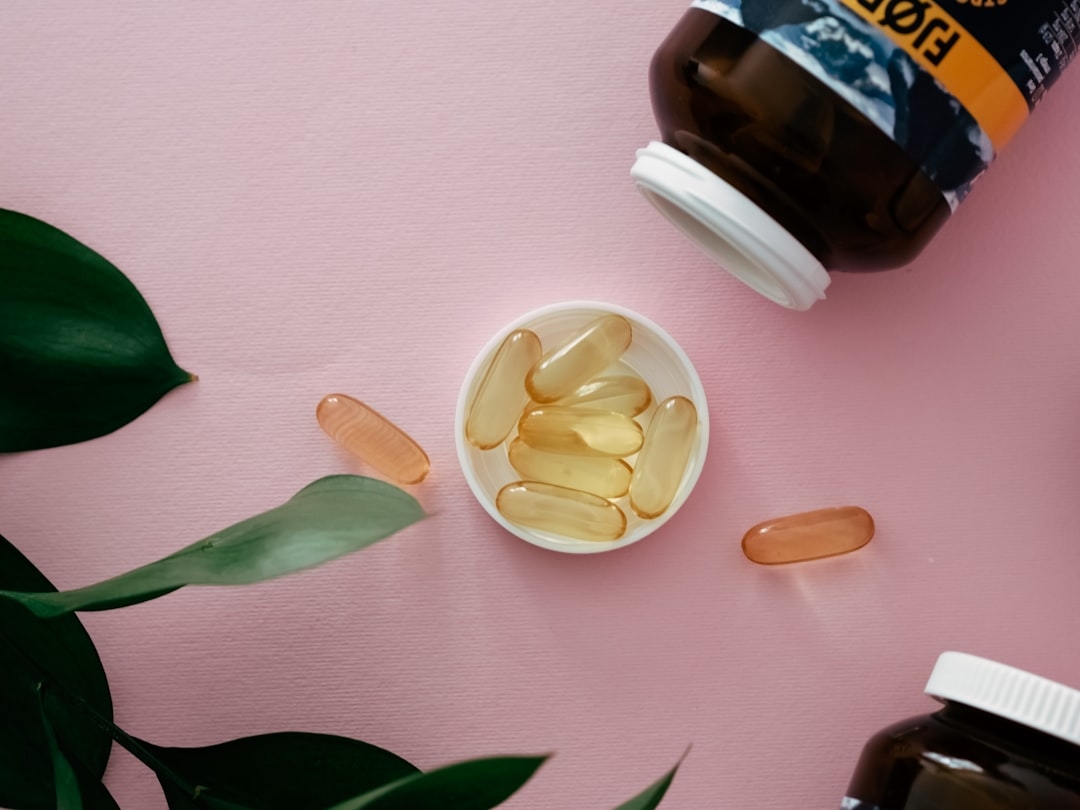
After optimising your diet, certain supplements provide additional support. Biotin at 2.5 milligrams daily has the strongest research behind it, with multiple studies showing measurable improvements in growth rate and thickness. Marine collagen (3-10 grams daily) provides amino acids that support keratin production; a 2019 study in Nutrients found that participants taking marine collagen experienced improved hair quality metrics. Saw palmetto (320 milligrams daily) shows promise in some studies, though evidence is mixed—it costs around £10-15 per month.
Avoid supplements containing unproven ingredients or making miraculous claims. The FDA doesn’t regulate supplements the way it regulates pharmaceuticals, so quality varies widely. Stick with reputable brands like Vitabiotics (available at Boots) or Solgar and look for third-party testing verification on packaging.
What Doesn’t Work: Debunking Common Myths
Shaving doesn’t make hair grow back thicker. This persists as perhaps the most stubborn myth in hair care. Shaving cuts the hair shaft bluntly, creating a temporarily thicker-feeling edge as it grows out. The actual hair diameter doesn’t change, and the hair is actually weaker and more prone to breakage. If hair breakage is limiting your length, preventing breakage matters more than accelerating growth.
Expensive salon treatments cannot fundamentally alter your hair’s growth rate. Keratin treatments, protein treatments, or scalp treatments costing £60-200 per session provide temporary cosmetic benefits but don’t change the biological rate at which your hair grows. Save your money and invest in consistent home care instead.
Hair vitamins marketed to non-deficient individuals provide minimal benefit. If you already eat a balanced diet with adequate protein, iron, and micronutrients, additional supplementation won’t accelerate growth beyond your genetic potential. The biggest gains come from correcting actual deficiencies, not from supplementing someone already adequately nourished.
Minimising Breakage: Protecting What You Grow
Hair length is limited not just by growth rate but also by breakage. If you grow 6 inches yearly but lose 4 inches to breakage, your net gain is only 2 inches. Protecting your growing hair maximises the visible benefit of accelerated growth.
Wet hair is fragile. Minimize friction by using a wide-toothed comb rather than a brush, and comb from the ends upward rather than dragging through knots roughly. Avoid brushing hair until it’s at least 70 percent dry. Use a microfibre towel or soft cotton t-shirt rather than a regular towel, which creates friction and raises the hair cuticle.
Heat styling accelerates breakage through protein denaturation. If you must use heat, apply a heat protectant spray (around £6-10) which coats the hair shaft and increases heat tolerance by several degrees. Keep heat tools at moderate temperatures—120 degrees Celsius rather than 200 degrees—and limit heat styling to 2-3 times weekly maximum.
Sleeping on cotton pillowcases creates friction that breaks hair and disrupts scalp moisture. Switch to a silk or satin pillowcase (£15-30), which reduces friction by up to 50 percent. This small change can meaningfully reduce breakage over months.
Frequently Asked Questions
How long does it actually take to see results from these strategies? You’ll likely notice reduced shedding within 4-6 weeks and improved hair quality within 8-12 weeks. Visible length changes require 3-6 months because your hair grows slowly. Be patient; the strategies that work take time.
Can I grow hair fast if I have a medical condition causing hair loss? Conditions like alopecia areata or androgenetic alopecia (pattern baldness) require different approaches. Consult your GP or a dermatologist before implementing these strategies; medical treatments may be necessary alongside nutritional optimisation.
Is biotin supplementation safe for long-term use? Biotin is water-soluble and excess amounts are excreted, making toxicity unlikely. Studies using doses up to 10 milligrams daily show no adverse effects. However, start with 2.5 milligrams and monitor how your body responds; some people experience breakouts initially as the body detoxifies.
What’s the connection between hormones and hair growth? Hormonal changes dramatically affect growth rate. Thyroid disorders, polycystic ovary syndrome, and hormonal contraceptives all impact the hair cycle. If you’ve noticed a sudden change in growth rate, consult your GP to rule out hormonal causes.
Can diet alone produce visible improvements in growth rate? Yes, but only if your current diet is deficient. Most people eating a reasonably balanced diet see maximum 10-15 percent improvement through nutritional optimisation combined with scalp health and stress management. Genetics still set your fundamental upper limit.
Taking Action: Your 12-Week Growth Plan
Rather than implementing everything at once, use this phased approach. Weeks 1-4: assess your current diet and supplement with biotin 2.5 milligrams daily and vitamin D 2000 international units daily (if between October-April). Start daily five-minute scalp massages. Weeks 5-8: prioritise sleep consistency and stress management through exercise or meditation. Adjust your shampoo frequency to 2-3 times weekly if you’re overdoing it. Weeks 9-12: evaluate results and adjust. Add marine collagen if hair quality remains suboptimal. Maintain all previous habits.
The strategies to grow hair fast work best when combined and maintained consistently. Your hair responds to cumulative inputs over months rather than quick fixes. By August 2026, if you’ve implemented these approaches since April, you should observe measurably faster growth compared to your baseline, combined with improved thickness and reduced breakage. That’s not just faster growth—it’s healthier hair that reaches greater lengths more efficiently.




Add Comment