
Contents:
- Understanding Your Hair Growth Cycle
- The Nutritional Foundation for Faster Hair Growth
- Protein and Amino Acids
- Iron and Zinc
- B Vitamins and Biotin
- Omega-3 Fatty Acids
- Scalp Health and Local Stimulation
- Scalp Massage and Blood Flow
- Scalp Cleansing and Balance
- Minoxidil: Topical Stimulation
- Sleep, Stress, and Hormonal Balance
- Avoiding Common Mistakes That Slow Hair Growth
- Supplements and Topical Treatments
- Collagen and Gelatin
- Hair Growth Supplements
- Keratin Treatments
- A Real-World Example
- Realistic Expectations and Timeline
- Frequently Asked Questions
- How fast can hair actually grow?
- Does biotin really work for hair growth?
- Can vitamins alone make hair grow faster?
- What’s the best treatment for fast hair growth?
- How long does it take to see results?
- Moving Forward: Building Your Routine
The average scalp produces only about six inches of new hair each year—a figure that surprises most people expecting faster results. Yet your hair growth rate doesn’t have to be a fixed destiny. With the right combination of internal and external approaches, you can genuinely accelerate how quickly your hair lengthens and thickens.
Growing hair faster isn’t just about wishful thinking or expensive treatments. The science behind hair growth has matured significantly over the past decade, revealing exactly which factors control your hair’s development cycle. Whether you’re trying to recover from damage, transition to a new style, or simply want healthier, faster-growing strands, this guide delivers actionable strategies based on biological evidence.
Understanding Your Hair Growth Cycle
Before tackling acceleration methods, it helps to understand how hair actually grows. Your hair isn’t alive in the traditional sense—the visible strand has no blood vessels or nerves. What matters is the hair follicle beneath your skin, a tiny organ that manufactures each strand from living cells.
This follicle moves through three distinct phases. The anagen phase is the growth period, lasting between two to seven years for scalp hair. During anagen, your follicle produces new cells that push the hair shaft upward. The catagen phase is a brief transitional period lasting a few weeks, when the follicle stops producing new cells and begins shrinking. Finally, the telogen phase is the resting period, lasting two to four months, after which the hair sheds and the cycle restarts.
The length of your anagen phase largely determines your maximum hair length. Someone with a five-year anagen phase growing six inches per year could theoretically grow hair thirty inches long. Someone with a two-year cycle maxes out around twelve inches. This genetic blueprint explains why some people naturally have longer hair potential than others.
The Nutritional Foundation for Faster Hair Growth
Hair is built from protein, minerals, and other nutrients. Your body prioritises survival over hair growth, meaning inadequate nutrition directly restricts how quickly follicles can produce new cells. Addressing nutritional gaps removes this bottleneck.
Protein and Amino Acids
Hair is approximately 95% protein, specifically a protein called keratin. Your body synthesises keratin from amino acids you consume. Without sufficient protein intake, your hair growth rate slows noticeably within weeks. Research shows that individuals consuming less than 50 grams of protein daily experience measurably slower hair growth and increased shedding.
Aim for 100 to 130 grams of protein daily if you’re actively trying to grow hair faster. Quality sources include chicken breast, fish, eggs, Greek yoghurt, lentils, and hemp seeds. Distribute protein across meals rather than loading it into one—your body better utilises smaller, consistent amounts.
Iron and Zinc
Iron deficiency is one of the most common nutritional causes of slow hair growth, yet many people don’t realise the connection. Iron carries oxygen to hair follicles. Without sufficient iron, follicles struggle to produce cells efficiently. Women of reproductive age face particular risk, losing iron through menstruation.
Aim for 18mg daily (women aged 19-50) or 8mg daily (men aged 19+). Red meat, spinach, lentils, and fortified cereals provide bioavailable iron. Pair iron-rich foods with vitamin C sources like citrus or tomatoes to improve absorption.
Zinc plays a critical structural role in hair tissue and also regulates DHT (dihydrotestosterone), an androgen that can accelerate hair loss in genetically sensitive individuals. Most people need 8 to 11mg daily. Oysters contain extraordinary zinc levels—a single oyster provides several milligrams—though beef, pumpkin seeds, and cashews work too.
B Vitamins and Biotin
Biotin (vitamin B7) is perhaps the most publicised nutrient for hair growth. Your body uses biotin to metabolise amino acids and fatty acids needed for hair shaft construction. However, biotin deficiency is rare in Western populations. Supplementing biotin won’t accelerate growth if you’re not deficient, though it may help if your baseline is low.
A more compelling case exists for B vitamins collectively. Vitamin B12 supports red blood cells, which carry oxygen to follicles. Folate (B9) regulates cell division in the hair matrix. Many people, especially vegetarians and vegans, fall short on B12. Consider a B-complex supplement providing 30 micrograms of B12 and 400 micrograms of folate daily.
Omega-3 Fatty Acids
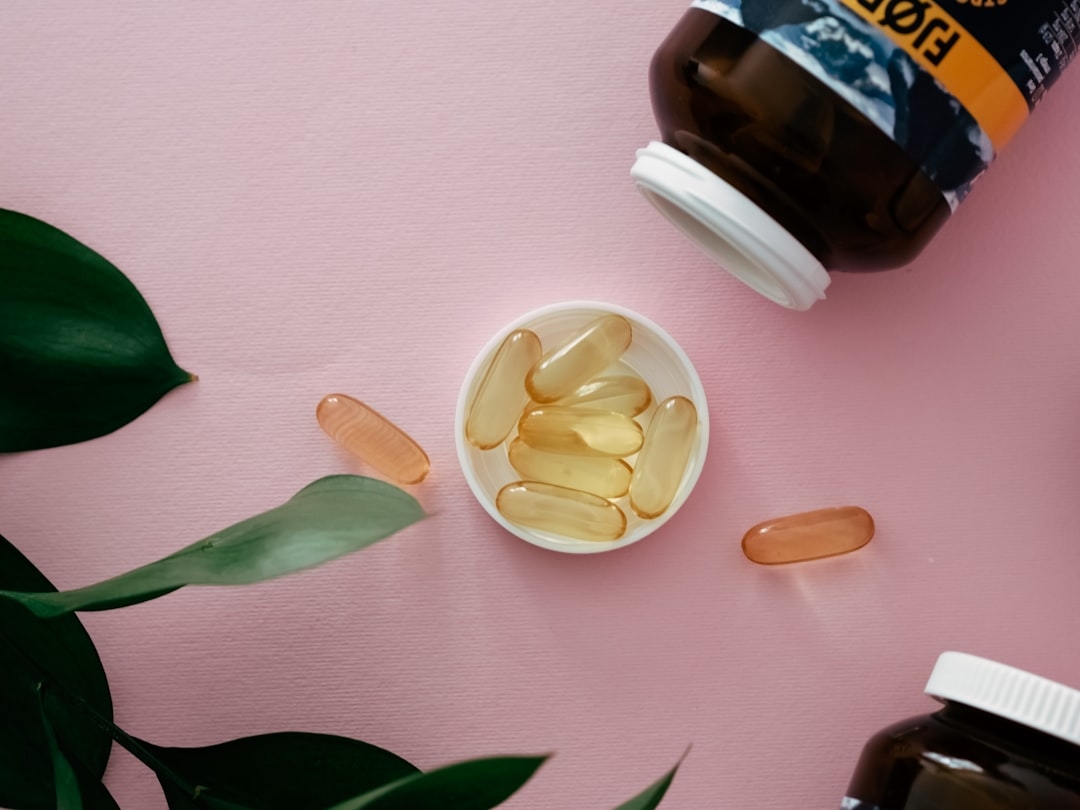
Omega-3s reduce inflammation throughout your body, including in hair follicles. Chronic low-level inflammation actually suppresses hair growth. Fatty fish like salmon and mackerel contain 2 to 3 grams of omega-3s per serving. Aim for two servings weekly, or take a fish oil supplement providing 1000 to 2000mg combined EPA and DHA daily.
Scalp Health and Local Stimulation
The scalp environment directly influences how quickly follicles operate. A healthy scalp has good blood circulation, balanced microbiome, and minimal inflammation.
Scalp Massage and Blood Flow
Scalp massage increases blood flow to hair follicles, delivering more oxygen and nutrients. A 2019 study in Dermatology Practical & Conceptual found that five-minute daily scalp massages increased hair thickness in participants after five months. The massage doesn’t have to be vigorous—gentle circular motions with your fingertips work effectively.
Spend five minutes daily massaging your scalp using the pads of your fingers in circular motions. Cover the entire scalp methodically. Do this while your hair is dry or damp; applying light pressure rather than aggressive force prevents follicle damage.
Scalp Cleansing and Balance
A buildup of sebum, dead skin cells, and product residue suffocates hair follicles. Over-washing strips natural oils, triggering compensatory sebum production and inflammation. The solution is balanced cleansing—frequent enough to prevent buildup, gentle enough to preserve the scalp’s protective layer.
For most people, washing hair two to three times weekly with a gentle sulphate-free shampoo maintains scalp health. If you exercise frequently or have very oily hair, you might go daily; if your hair is curly or dry, once weekly may suffice. After shampooing, condition primarily the mid-lengths and ends, not the scalp itself.
Minoxidil: Topical Stimulation
Minoxidil (sold as Rogaine) is a topical treatment that prolongs the anagen phase and increases blood flow to follicles. It’s clinically proven to accelerate hair growth and is available without prescription in the UK. You apply it directly to your scalp twice daily, and it takes 4 to 6 months to see results.
Minoxidil works best on recent hair loss rather than long-standing baldness, and it’s ineffective once you stop using it—the benefits reverse within months. It costs roughly £15 to £25 monthly. If you have pattern baldness in your family, minoxidil can genuinely extend your hair growth cycle.
Sleep, Stress, and Hormonal Balance
Hair growth depends on hormonal equilibrium. Chronic stress elevates cortisol, which can push hair prematurely into the telogen (shedding) phase. Poor sleep compounds this by disrupting the hormonal rhythms that regulate hair cycles.
Aim for seven to nine hours of consistent sleep nightly. Your hair actually grows fastest during sleep, when cortisol dips and growth hormone peaks. Prioritise sleep quality by maintaining a cool, dark bedroom and keeping a consistent bedtime routine.
Stress reduction genuinely accelerates hair recovery. Whether through exercise, meditation, time in nature, or hobbies, dedicating even fifteen minutes daily to stress relief measurably improves hair growth rates. One study in Psychotherapy and Psychosomatics found that hair loss reversed after participants completed a stress-reduction programme.
Avoiding Common Mistakes That Slow Hair Growth
Many people unknowingly sabotage their hair growth through everyday habits. Identifying and correcting these accelerates results dramatically.
Heat damage: Excessive heat styling weakens hair structure and increases breakage. If you blow-dry, straighten, or curl regularly, you’re breaking off growth even as it forms. Use a heat protectant spray, keep tools at moderate temperatures, and limit heated styling to twice weekly. Air-drying or using a microfibre towel wrap removes excess water without heat stress.
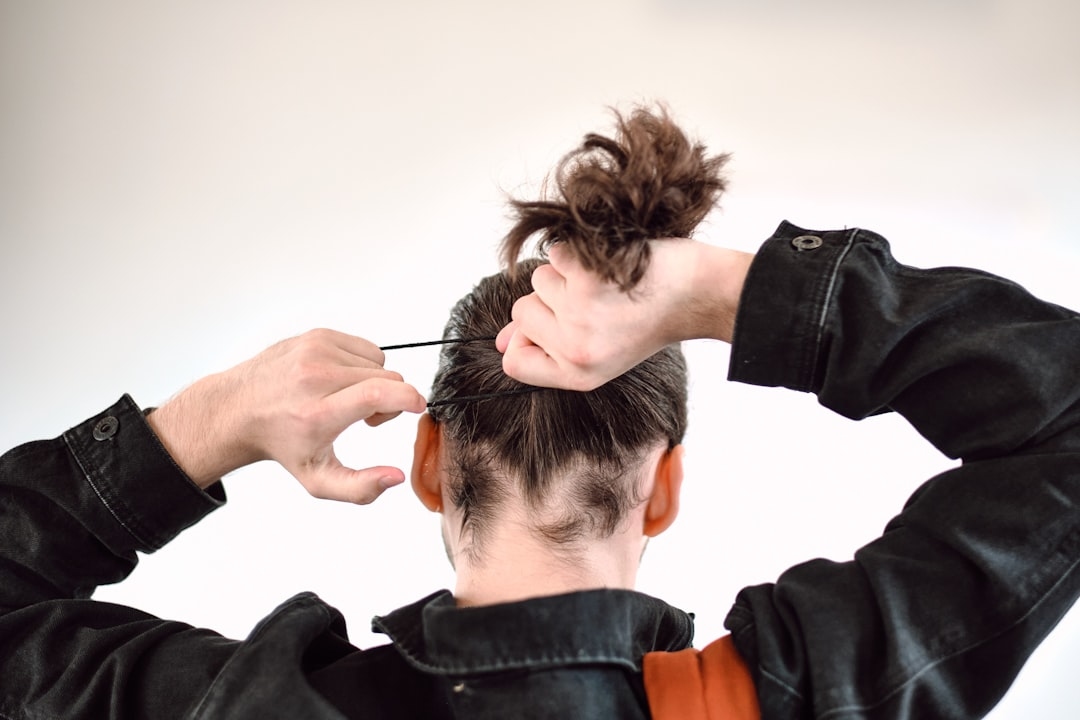
Tight hairstyles: Consistent pulling damages follicles directly. Tight buns, braids, and ponytails cause traction alopecia—permanent follicle damage if worn chronically. Alternate hairstyles, loosen tight styles by mid-day, and give your scalp regular breaks from tension.

Overwashing with harsh products: Sulphates strip natural oils, triggering inflammation and slowing growth. Silicones coat hair but can accumulate, suffocating follicles. Switch to sulphate-free shampoos and limit silicone products, especially if you have fine or thin hair.
Ignoring split ends: Split ends aren’t just cosmetic—they fracture the entire hair shaft, preventing length retention. Trim every 6 to 8 weeks, even if just an eighth of an inch. This single habit dramatically improves the appearance of length growth, because your ends stay healthy rather than breaking off.
Dehydration: Hair loses elasticity without adequate water intake. Dehydrated hair breaks more easily, negating your growth efforts. Drink at least 2 litres of water daily. This supports overall health and directly improves hair hydration from inside out.
Supplements and Topical Treatments
Beyond diet and lifestyle, targeted supplements and treatments can accelerate results.
Collagen and Gelatin
Collagen provides amino acids and minerals that support hair growth. While your body doesn’t use dietary collagen directly (it breaks down into constituent amino acids), those amino acids do enter the protein synthesis pathway that builds keratin. Collagen supplements providing 10 to 20 grams daily show modest benefits, particularly when combined with vitamin C, which your body needs to stabilise collagen.
Hair Growth Supplements
Specialised supplements combining biotin, silica, and plant extracts show mixed evidence. Brands like Viviscal and Perfectil market evidence-backed formulations. Viviscal, for instance, contains a proprietary marine complex studied in clinical trials showing modest hair thickness improvements. These typically cost £20 to £40 monthly in the UK.
The reality: supplements work best when you’re addressing a nutritional gap. If your diet already provides adequate protein, iron, and B vitamins, additional supplements offer marginal benefit. If your diet is deficient, supplements act as gap-fillers while you optimise nutrition long-term.
Keratin Treatments
Brazilian keratin treatments and similar services coat hair with protein, temporarily strengthening it and reducing frizz. However, they don’t accelerate growth—they protect existing hair from damage. They’re valuable if you use heat styling regularly, as they reduce the breakage that counteracts growth efforts. Results last 6 to 8 weeks and typically cost £60 to £150 per treatment in UK salons.
A Real-World Example
Consider Sarah’s experience. At thirty-two, she’d always had slow-growing, fine hair and decided to grow it long. She’d tried every supplement on the market with no results. Her breakthrough came when she addressed three overlooked factors simultaneously.
First, she discovered she was iron-deficient through blood testing—her GP found levels at the low end of “normal,” still sufficient to cause slowdown. Supplementing with 18mg daily iron (plus vitamin C for absorption) changed everything. Second, she started prioritising sleep, recognising she’d been averaging five hours nightly due to stress. Getting seven hours made an immediate difference in her energy and, within weeks, her hair seemed noticeably stronger. Third, she stopped blow-drying daily, switching to air-drying with a quick microfibre wrap.
Within six months, her hairdresser noticed thicker regrowth. Within a year, Sarah had grown twelve inches of healthy hair—nearly double her previous rate. The key wasn’t one magical solution; it was addressing multiple limiting factors simultaneously.
Realistic Expectations and Timeline
Hair growth acceleration doesn’t mean overnight transformation. Set realistic expectations to maintain motivation and recognise genuine progress.
With optimised nutrition, stress management, and scalp care, expect hair to grow at the upper end of normal: seven to eight inches yearly instead of six. With additional interventions like minoxidil, you might see thickness improvements within four months and modest length acceleration within six.
Dramatic thickness improvements typically require three to six months of consistent effort. Your current hair was produced under your old conditions; the benefits of new habits appear in newly growing hair, which must travel four to six inches up the scalp before you see it.
Hair growth is one of the slowest biological processes in your body. The pace can’t be dramatically accelerated through any single intervention, but small percentage improvements compound visibly over months and dramatically over a year.
Frequently Asked Questions
How fast can hair actually grow?
Hair grows roughly half an inch monthly, or about six inches yearly for most people. This rate varies between 4 to 8 inches yearly based on genetics, age, health, and hormones. You cannot change this rate by more than roughly 15% through interventions—realistic optimisation brings 6 inches yearly to perhaps 7, not to 12.
Does biotin really work for hair growth?
Biotin supplements help only if you’re deficient, which is rare. Studies on biotin in people with normal levels show negligible benefit. However, if your diet is low in biotin (found in eggs, nuts, and fish), supplementing 2.5mg daily may help modestly. It’s not a magic solution but one piece of the puzzle.
Can vitamins alone make hair grow faster?
Vitamins address nutritional gaps that limit growth. If you’re deficient in iron, B12, or protein, supplements accelerate growth. If your nutrition is already adequate, vitamins offer minimal additional benefit. Hair growth requires multiple factors: adequate protein, micronutrients, sleep, stress management, and scalp health. Supplements alone cannot compensate for deficiency in any of these areas.
What’s the best treatment for fast hair growth?
There’s no single “best” treatment because hair growth depends on multiple factors. Start with nutrition and lifestyle: adequate protein (100-130g daily), seven to nine hours sleep, stress reduction, and scalp care. If pattern baldness runs in your family, add minoxidil after three months of lifestyle optimisation. This combination addresses the most significant factors controlling growth rate.
How long does it take to see results?
You won’t see results immediately because visible hair was produced under previous conditions. New habits produce effects in newly forming hair, which must grow several inches before you see it at the scalp’s surface. Expect modest improvements within two to three months and noticeable changes within six months if you’re consistent.
Moving Forward: Building Your Routine
Growing hair faster isn’t complex, but it does require consistency. Start here: assess your current diet for protein and iron. Adjust nutrition where you find gaps. Implement five-minute daily scalp massages and optimise sleep. Reduce heat styling and trim every eight weeks. Give these changes six weeks before adding supplements or topical treatments.
Track what works for your individual hair. Take a baseline photo of your hair length and thickness, then reassess in six months. The habits that accelerate growth for others might not be your limiting factors—the goal is identifying and addressing *your* personal bottlenecks.
Most importantly, recognise that hair growth is one of the slowest processes in your body. Patience combined with consistency beats any quick fix. The people with the longest, healthiest hair aren’t using fancy treatments—they’re simply protecting what grows naturally and providing the nutritional and hormonal foundation for optimal growth.
“Hair growth acceleration really comes down to removing obstacles rather than adding miraculous interventions,” says Dr. Eleanor Hartwell, a trichologist at the London Hair Science Institute with fifteen years of clinical experience. “Most people have untapped potential—they’re just limiting themselves through stress, poor sleep, or dietary gaps. Address those, and their hair growth often normalises to its genetic potential.”




Add Comment