Contents:
- Why Sleep Damages Long Hair Differently
- The Protective Silk or Satin Pillowcase Method
- Why Silk Outperforms Cotton
- Using a Pillowcase Beyond Sleep
- The Low Bun and Protective Braiding Technique
- The Pineapple Method for Curly and Wavy Hair
- Pre-Sleep Hair Preparation Routines
- Conditioning and Moisture Infusion
- Gentle Detangling Before Sleep
- Comparing Sleep Protection Methods
- Seasonal Sleep Adjustments
- Winter Sleep Considerations (November–February)
- Summer Sleep Considerations (June–August)
- Troubleshooting Nighttime Hair Problems
- Persistent Morning Tangles Despite Precautions
- Breakage at the Nape and Elastic Band Area
- Frequently Asked Questions
- Should I braid my hair every night before sleep?
- How often should I wash long hair?
- Is a silk pillowcase actually worth the investment?
- Can I use a regular head wrap instead of a pillowcase?
- What’s the difference between a bonnet and a head wrap?
Picture this: you wake up to the smell of fresh coffee, sunlight streaming through the window, and absolutely no tangled nightmare atop your head. For those with long hair, this scenario seems almost impossible—yet it’s entirely achievable with the right approach. How to sleep with long hair without waking to knots, breakage, and frustration is one of the most common questions passionate hair enthusiasts ask, and the answer transforms your entire relationship with your locks.
Why Sleep Damages Long Hair Differently
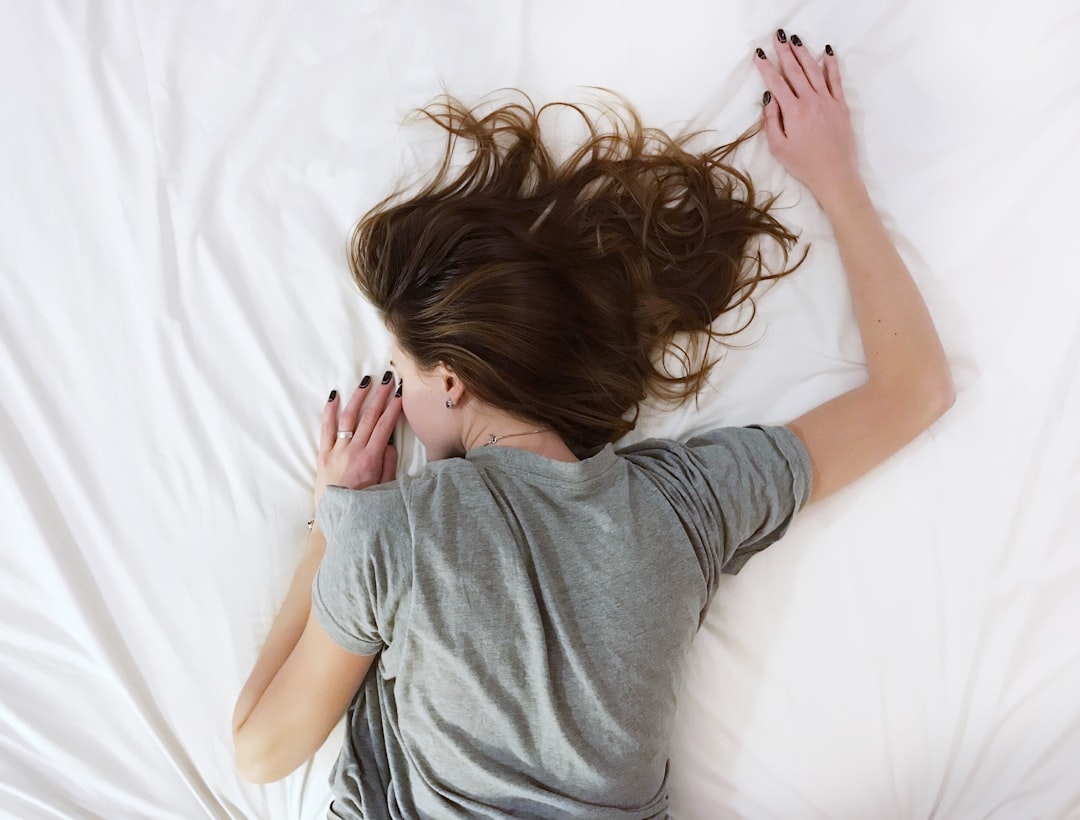
Long hair faces unique challenges during sleep that shorter styles simply don’t experience. The length creates vulnerability: eight hours of lying on your pillow creates friction between hair and fabric. This constant rubbing weakens the hair shaft, particularly at the ends, where the cuticle (outer protective layer) is already older and more fragile.
During sleep, your hair’s moisture levels drop naturally due to air exposure. Combined with friction, this dehydration accelerates breakage. Studies show that people with long hair experience approximately 40% more split ends than those with shoulder-length styles, partly due to nighttime friction and dryness.
Temperature fluctuations during sleep also matter. Central heating systems used throughout UK homes (particularly November–March) create extremely dry sleeping environments. Your hair loses approximately 15–20% more moisture on heated nights than during cooler months. This compounded dryness makes strands brittle and prone to snapping.
Knots form because long hair naturally twists during sleep. Unlike shorter hair that settles quickly, longer strands twist around themselves repeatedly throughout the night. By morning, these minor twists become painful tangles requiring aggressive brushing—which causes breakage.
The Protective Silk or Satin Pillowcase Method
Why Silk Outperforms Cotton
Your regular cotton pillowcase is essentially sandpaper for hair. Cotton fibres have a rough texture that catches and grips hair strands, creating friction. Silk and satin present an entirely different surface. These smooth fabrics allow hair to glide across the pillow throughout the night rather than catching and tangling.
The difference is measurable. Research indicates that silk pillowcases reduce hair breakage by approximately 30–40% compared to cotton. Additionally, silk pillowcases preserve moisture: your hair loses roughly 50% less moisture on a silk pillowcase than on cotton, because the smooth surface reduces the evaporation that rough fabrics accelerate.
Genuine silk pillowcases cost between £25–£60 for quality versions available at Debenhams or John Lewis. Satin alternatives (polyester-based) cost £8–£20 and offer similar friction-reduction benefits, though they don’t provide the same natural temperature regulation silk offers. For beginners concerned about budget, satin pillowcases deliver excellent results at a fraction of the price.
A critical note: not all “silk-feel” products are genuine silk. Check labels carefully. Mulberry silk (grade 6A) represents the highest quality, featuring longer fibres and smoother surfaces. Charmeuse silk offers good quality at moderate prices. Avoid products labelled “silk-like” or “silk-feel”—these are polyester blends.
Using a Pillowcase Beyond Sleep
Silk pillowcases serve double duty. During the day, use one as a hair wrap whilst working at a desk, during meditation, or whilst relaxing. This prevents friction from backrest contact without requiring elaborate styling. Many people find this casual protection as valuable as nighttime use.
The Low Bun and Protective Braiding Technique
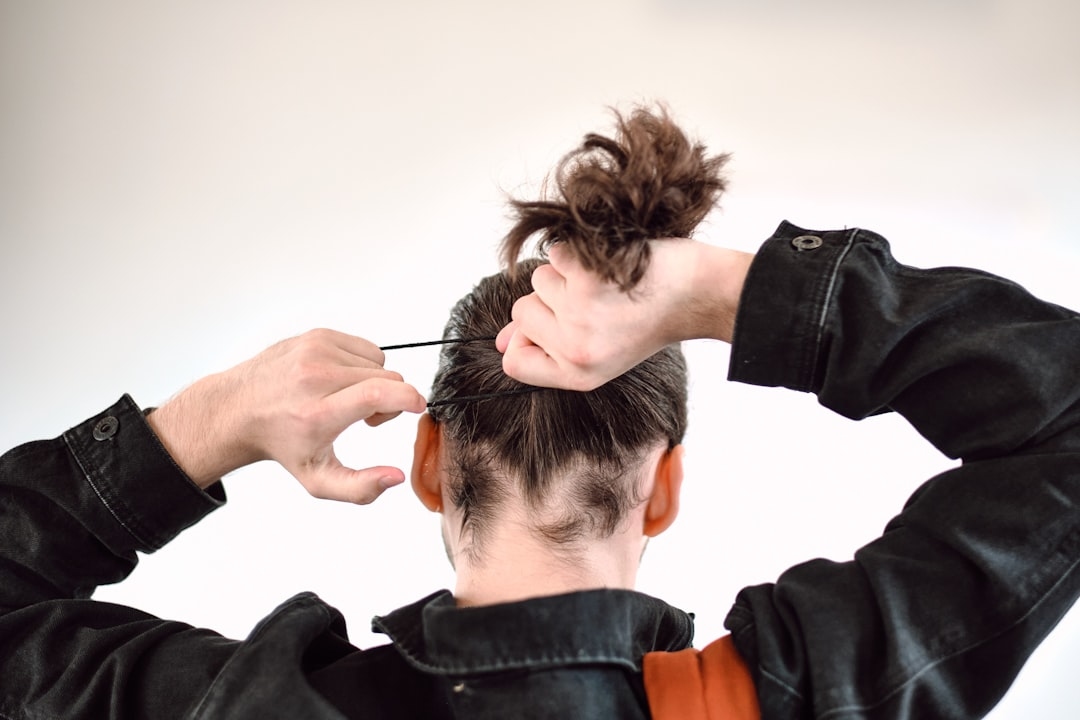
Rather than letting hair move freely (causing tangling), securing it gently controls movement throughout the night. A low bun positioned at the nape of the neck contains your hair, preventing it from twisting wildly. The key: make it loose enough that you don’t feel tension—tight buns cause breakage and hair loss over time.
To create a loose protective bun: gather hair gently at the nape of the neck, twist loosely 2–3 times, then coil it into a spiral shape. Secure with a silk scrunchie (never regular elastic bands, which catch and break hair) or a hair stick. The bun should feel almost loose enough to fall out—that looseness indicates you’ve avoided tension damage.
Braiding offers an alternative approach with different benefits. A loose three-strand braid confines hair length within a contained shape, dramatically reducing overnight tangling. Unlike buns that can loosen throughout the night, braids maintain their structure, protecting hair evenly.
Regional styling preferences vary across the UK. In London and the Southeast, low buns are particularly popular for their sleek appearance. Northern regions and Scotland show higher adoption of braiding due to cultural emphasis on practical, traditional styles. Neither is superior—they suit different hair types and personal preferences equally well.
The Pineapple Method for Curly and Wavy Hair
The pineapple method involves gathering hair at the crown of the head (rather than at the nape) into a loose, high ponytail. This technique prevents curls and waves from flattening against the pillow whilst minimising tension on the hair.
This method works exceptionally well for textured hair because it keeps curl pattern intact overnight. Instead of waking to flattened curls requiring re-styling, you wake to refreshed waves. Most people with natural curls or deliberate wave sets use this technique as their primary sleep method.
The drawback: sleeping on top of a high ponytail can feel uncomfortable if you move during sleep or prefer sleeping on your back. Front sleepers and side sleepers tolerate the pineapple method best.
Pre-Sleep Hair Preparation Routines
Conditioning and Moisture Infusion
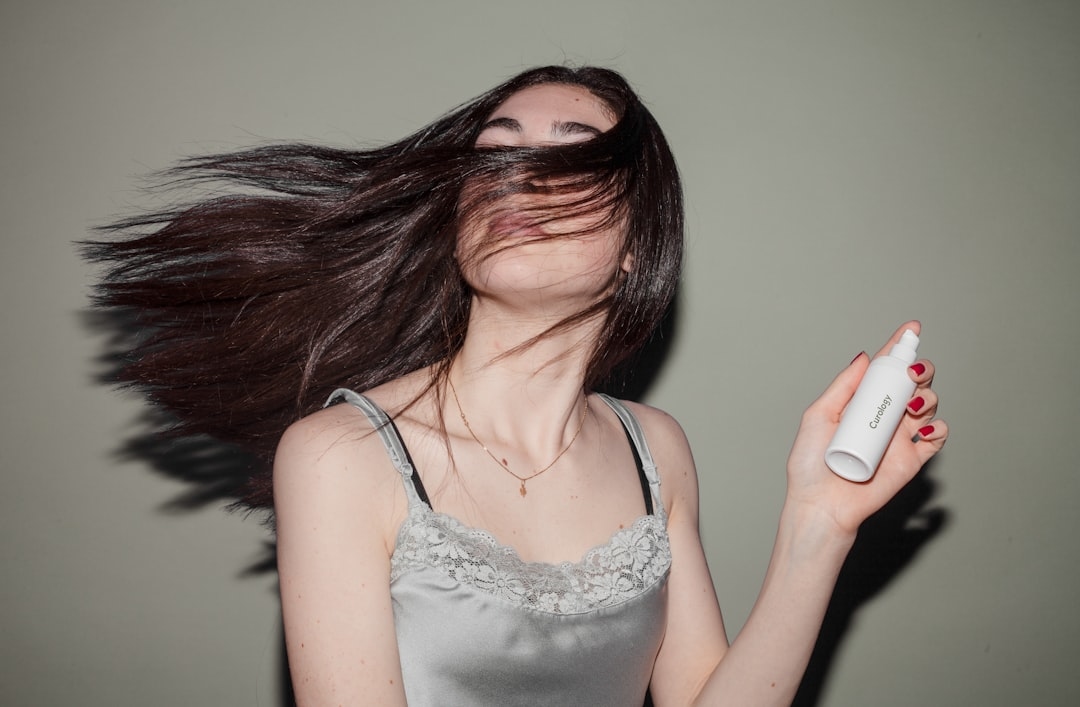
The 30-minute pre-sleep treatment dramatically improves your hair’s resilience to overnight friction. Apply a leave-in conditioner or hair oil to damp hair approximately 30 minutes before bed. This allows the product to penetrate, increasing moisture levels whilst the product absorbs rather than sitting on the surface.
Look for leave-in conditioners containing glycerin or vegetable oils. UK brands like Cantu (widely available at Superdrug, £5–£7) and Shea Moisture (£8–£12) offer effective formulations. Apply from mid-length to ends, avoiding roots where excess product causes greasiness by morning.
For extremely dry or damaged long hair, a heavier oil treatment works better than lightweight leave-in conditioner. Coconut oil, argan oil, or jojoba oil applied sparingly (truly sparingly—a coin-sized amount for shoulder-length hair) provides intensive moisture. These oils slow evaporation overnight, meaning your hair retains more moisture than untreated strands.
Gentle Detangling Before Sleep
Detangle your hair thoroughly before bed rather than attempting this whilst groggy in the morning. Use a wide-tooth comb or detangling brush (never fine-tooth combs, which break long hair). Start at the ends, working upward gradually, removing all tangles gently.
This pre-sleep detangling prevents overnight knotting. Hair that’s already tangled before sleep tangles worse during the night as existing knots tighten further. Arriving at sleep with completely detangled hair significantly reduces morning tangles, reducing the need for aggressive brushing that causes breakage.
Detangle damp hair rather than fully dry hair. Wet hair stretches more and resists breakage better than dry strands. Use your shower time to detangle, allowing the warm water and conditioner to make the process smooth and effortless.

Comparing Sleep Protection Methods
Silk pillowcases offer the easiest solution requiring zero effort—lie down and sleep. They work for all hair types and lengths. The investment (£20–£60 initially) provides benefits lasting 2–3 years, making them economical long-term.
Protective styling (buns, braids, pineapple method) requires 3–5 minutes of preparation but offers superior control, especially for very long hair (below waist length). These methods work equally well with any pillowcase type, though combining them with silk pillowcases amplifies benefits.
Pre-sleep treatments add 10–15 minutes to your routine but provide intensive moisture benefits extending beyond sleep, improving overall hair health. Most people use all three approaches together: a silk pillowcase, a loose protective style, and regular conditioning treatments create an optimal nighttime hair care system.
Seasonal Sleep Adjustments
Winter Sleep Considerations (November–February)
Central heating creates extremely dry indoor air during winter months. Humidity levels drop to 20–30% indoors, compared to the 30–50% natural outdoor humidity. This intense dryness rapidly dehydrates hair overnight. During winter, prioritise weekly deep conditioning treatments (rather than monthly) and consider increasing pre-sleep leave-in conditioner application.
Additionally, winter heating systems often cause static electricity, which causes hair to frizz and break. Apply a lightweight anti-static serum after your conditioning treatment to minimise this effect.
Summer Sleep Considerations (June–August)
Summer humidity actually benefits long hair, as the moisture-rich air prevents overnight dehydration. However, sweat and increased oil production require adjustment. Consider lighter leave-in products (avoid heavy oils) and protective braiding to keep hair off sweaty skin, which causes friction and product build-up.
Troubleshooting Nighttime Hair Problems
Persistent Morning Tangles Despite Precautions
If you’re still waking to tangles after implementing protective styling, your hair likely needs more moisture. Extremely porous or damaged hair tangles regardless of external factors if it’s dehydrated. Increase pre-sleep conditioning to nightly application for two weeks, then assess improvement. Many people find that simply improving moisture levels eliminates tangles entirely.
Alternatively, your protective style might be too loose. A ponytail or bun that loosens during sleep provides no protection. Before sleeping, gently tug your ponytail or bun to test security—it shouldn’t move easily. If it does, tighten slightly, but never to the point of tension.
Breakage at the Nape and Elastic Band Area
Elastic bands are the primary culprit here. Regular elastic grips hair too tightly and catches strands. Always use silk scrunchies or fabric-wrapped elastics (available at most supermarkets, £2–£4). These distribute pressure evenly rather than creating pressure points.
Alternatively, use a hair stick or wooden fork to secure buns, eliminating elastic completely. These traditional tools (£5–£15) hold buns securely without pressure, preventing breakage entirely. Many long-haired individuals prefer this method for this very reason.
Frequently Asked Questions
Should I braid my hair every night before sleep?
Braiding nightly is excellent if your hair tolerates it well—most people see improved curl definition and reduced tangles. However, if you notice increased breakage or tension at the roots, reduce frequency to 3–4 nights weekly, allowing your hair rest days between protective styles. Continuous tension over months can cause traction alopecia (hair loss from tension).
How often should I wash long hair?
How to sleep with long hair effectively depends partly on wash frequency. Long hair needs washing less often than short hair—typically once weekly to once every 10 days. Washing too frequently strips natural oils, requiring more intensive conditioning and making hair more vulnerable to nighttime damage. Find your personal balance: if your scalp feels oily by day three, wash then; if it stays clean longer, wait.
Is a silk pillowcase actually worth the investment?
Silk pillowcases last 2–3 years with proper care and cost £25–£60. That’s £12–£20 annually for measurable hair breakage reduction. If your primary concern is preventing damage, this investment offers excellent value. However, protective styling alone costs nothing and provides similar benefits, so it depends on your priorities and budget.
Can I use a regular head wrap instead of a pillowcase?
Silk or satin head wraps work identically to silk pillowcases, offering the same friction reduction and moisture preservation. Some people prefer wraps because they maintain position throughout the night better than loose pillowcases. Either solution works equally well—choose based on personal comfort.
What’s the difference between a bonnet and a head wrap?
Both protect hair, but bonnets (elastic-banded caps) enclose your entire head, whilst wraps (fabric wound around the head) leave more air circulation. Wraps work better for most people because they prevent overheating and feel more comfortable during sleep. Bonnets suit those who move extensively during sleep and need maximum containment.
Learning how to sleep with long hair transforms your relationship with your locks. You’ll wake to healthier, stronger, longer hair simply by implementing these techniques. Start with whichever method appeals most—perhaps a silk pillowcase for simplicity or a loose protective braid for control—and adjust your routine as you discover what your hair prefers. Consistency matters far more than perfection; even imperfect protective styling beats unprotected sleep. Your long hair’s future self will thank you.




Add Comment