
Contents:
- Understanding Your Hair Transplant During the Critical First Weeks
- How to Sleep After Hair Transplant Surgery: The Positioning Guide
- The Elevated Back Sleep Position (Weeks 1-3)
- Side Sleeping Considerations
- Weeks 4 and Beyond
- Pillowcase Materials: Why Silk Matters More Than You’d Think
- Silk and Satin Pillowcases Explained
- Cotton Pillowcases and Rough Fabrics: What to Avoid
- Creating an Optimal Sleep Environment for Transplant Recovery
- Room Temperature and Swelling Management
- Head Support and Neck Alignment
- Hydration and Sleep Quality
- Comparing Sleep Recovery vs. Other Transplant Care Methods
- Common Sleep Challenges After Hair Transplant and Solutions
- The Tossing and Turning Problem
- Discomfort and Sleep Quality Disruption
- Itching and the Urge to Scratch or Touch
- Difficulty Sleeping Due to Post-Operative Stress
- Practical Sleep Timeline and What to Expect
- Days 1-7: The Immediate Post-Operative Period
- Days 7-14: The Adaptation Phase
- Weeks 3-4: Healing Progresses
- Weeks 5-12: Shedding Phase and Beyond
- Quick Cost Breakdown for Sleep Recovery Setup
- Frequently Asked Questions About Sleep After Hair Transplant
- Can I sleep normally immediately after hair transplant surgery?
- What happens if I accidentally sleep on my stomach or side during recovery?
- How much does sleeping position actually affect hair transplant results?
- Is a silk pillowcase truly necessary, or is it just marketing?
- When can I return to my normal sleeping position?
- Moving Forward: Your Path to Successful Transplant Outcomes
What if the way you sleep tonight determines whether your £4,000-£8,000 hair transplant investment thrives or falters? Your sleeping position matters far more than most people realise during the critical post-operative period.
Hair transplant surgery represents a significant decision, both financially and emotionally. You’ve invested time researching clinics, made the procedure appointment, endured the surgical day itself. Yet the real work begins at home, particularly during those eight hours nightly when your head rests on a pillow. The grafts are fragile during the first few weeks, and your sleeping habits directly impact their survival rate and the quality of your final results.
Understanding Your Hair Transplant During the Critical First Weeks
Hair transplant surgery involves extracting healthy hair follicles from donor areas (typically the back of the scalp) and implanting them into balding or thinning regions. The newly transplanted grafts exist in a vulnerable state. They haven’t yet developed blood connections to supply them with nutrients, making them susceptible to damage from pressure, friction, and accidental dislodging.
The first 10-14 days post-surgery represent the most critical window. During this period, the grafts are establishing initial attachment to the scalp tissue. While they won’t fall out from casual contact, direct pressure or friction can compromise their position and reduce transplant success rates. Clinical data suggests that proper post-operative care, including correct sleeping positions, can improve graft survival by up to 95 percent.
Your surgical team provided specific aftercare instructions for a reason. These aren’t suggestions—they’re evidence-based protocols developed through years of patient outcomes and clinical research. Sleeping properly is your most controllable variable during recovery.
How to Sleep After Hair Transplant Surgery: The Positioning Guide
Your sleeping position during the first 2-3 weeks will determine how well your grafts settle and integrate. The fundamental rule is simple: keep pressure off the transplant area entirely.
The Elevated Back Sleep Position (Weeks 1-3)
Sleep on your back with your head elevated at a 45-degree angle. This isn’t merely comfortable—it’s medically necessary. Elevation reduces swelling by allowing fluid drainage, promotes blood circulation without applying weight to the grafts, and positions your head safely away from the pillow surface where friction occurs.
Create this elevation using two to three pillows stacked behind your head and upper back. The angle should feel substantial but not uncomfortable. You should be able to see your feet when lying down; that’s roughly 45 degrees. Some patients purchase specialised recovery pillows with built-in elevation, costing £30-£60, though standard pillows work equally well when properly stacked.
This position requires patience. Most people naturally shift during sleep, so expect your body to move. Your goal isn’t perfect positioning all night—that’s impossible. Rather, establish this as your primary position and accept that some repositioning occurs naturally.
Side Sleeping Considerations
Side sleeping is permissible only when the transplant area is fully healed, typically after 4 weeks. Even then, verify with your surgeon before changing positions significantly. If you must sleep on your side earlier, ensure you’re resting on the opposite side from your transplant area. For example, if grafts are on the crown or top of the scalp, resting on your left or right side poses less risk than sleeping on your back—but elevated back sleeping remains optimal.
Never sleep on your stomach during the first month. This position applies direct pressure to your scalp and significantly increases graft disturbance risk.
Weeks 4 and Beyond
After approximately 4 weeks, the grafts have developed sufficient blood supply and tissue integration to tolerate normal sleeping positions. You can gradually transition toward your natural sleeping position. Many patients find they’ve grown accustomed to elevated sleeping and continue the practice even when permitted to return to normal positions—the reduced swelling and improved comfort prove beneficial.
Even after 4 weeks, some surgeons recommend maintaining slight elevation (30 degrees rather than 45 degrees) for an additional 2-3 weeks to optimise healing conditions.
Pillowcase Materials: Why Silk Matters More Than You’d Think
The relationship between your pillowcase and your transplant grafts deserves serious consideration. Standard cotton pillowcases create significant friction when your head moves during sleep, potentially dislodging newly transplanted hairs and irritating the sensitive surgical areas.
Silk and Satin Pillowcases Explained
Silk and satin pillowcases provide a frictionless surface that allows your head to glide smoothly rather than stick and pull. This distinction matters substantially during recovery. A quality silk pillowcase costs £20-£40 and will protect your investment far better than standard bedding.
Satin offers similar benefits to silk at a lower price point (£10-£25), though genuine silk (mulberry silk specifically) provides the smoothest surface. Avoid polyester satin blends—they don’t provide the same frictionless quality as pure satin or silk.
You’ll want at least two pillowcases so one stays clean while the other is laundered. Wash them in cool water with gentle detergent to maintain their properties.
Cotton Pillowcases and Rough Fabrics: What to Avoid
Standard cotton pillowcases, flannel, and any textured fabrics create drag against your scalp. During those micro-movements throughout the night—and there are dozens of them—friction from rough pillowcases can catch on healing scabs or newly placed grafts, causing discomfort and potential complications.
Creating an Optimal Sleep Environment for Transplant Recovery
Physical positioning and pillowcase choice represent only part of the recovery equation. Your sleep environment influences how successfully you maintain proper positioning throughout the night.
Room Temperature and Swelling Management
Keep your bedroom cool, around 16-18°C. Cooler temperatures reduce inflammation and swelling naturally, supporting your body’s healing processes. Heat causes vasodilation—blood vessels expand—which increases swelling around the surgical site. A cool sleeping environment minimises this response.
Avoid heavy blankets that might cause you to flip onto your side seeking cooler positions. A light duvet or sheet proves adequate even in winter; layer appropriately with clothing rather than bedding.
Head Support and Neck Alignment
Proper pillow support maintains neutral neck alignment, reducing strain and promoting circulation. Your neck should feel supported but not cranked upward at an unnatural angle. If your pillows create excessive elevation that forces your chin toward your chest, reduce the stack by one pillow.
Some patients benefit from an additional small pillow or rolled towel under the neck to maintain alignment without increasing head elevation excessively.
Hydration and Sleep Quality
Dehydration impairs healing and disrupts sleep quality. Drink sufficient water throughout the day (roughly 2-3 litres daily), though taper intake several hours before bed to avoid multiple bathroom visits disrupting your sleep. Each time you wake and reposition yourself, you risk disturbing the grafts or displacing your elevation pillows.
Comparing Sleep Recovery vs. Other Transplant Care Methods
While proper sleeping technique is crucial, it works alongside other post-operative protocols. Understanding how sleep fits into the broader recovery picture clarifies why your nighttime positioning matters.
Many patients wonder whether proper sleeping can fully compensate for poor daytime care—the answer is no. Conversely, excellent daytime care cannot offset poor sleep habits. Recovery requires consistent attention across all daily activities:
- Medication compliance: Taking prescribed antibiotics and anti-inflammatories as directed reduces infection risk and swelling, supporting the environment where grafts thrive.
- Daytime positioning: Elevating your head while sitting or resting during the day maintains the swelling reduction that nighttime elevation provides.
- Physical activity restrictions: Avoiding exercise, heavy lifting, and strenuous activity for 2-3 weeks prevents increased blood pressure and swelling that would stress the grafts.
- Sleep quality: Proper positioning and environment ensure you’re actually resting deeply, allowing your body to allocate maximum resources to healing.
Your sleep protocol complements but doesn’t replace these other elements. Think of it as one critical piece of a comprehensive recovery strategy rather than a standalone solution.
Common Sleep Challenges After Hair Transplant and Solutions
The Tossing and Turning Problem
Humans naturally shift during sleep—particularly if accustomed to sleeping on your side or stomach. The elevated back position feels foreign initially, triggering unconscious repositioning. Your body’s autopilot hasn’t received the memo about recovery requirements.
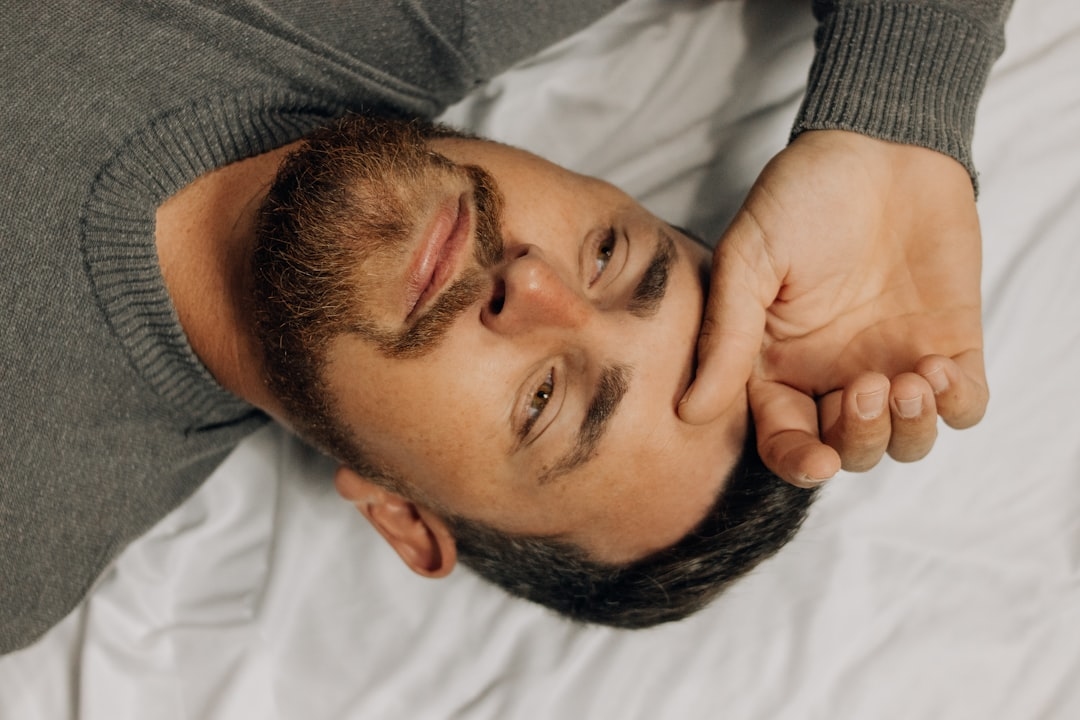
Expect some movement, and don’t catastrophise about it. Minor shifts won’t destroy your transplant. Instead, focus on establishing your primary position consistently. Within 3-5 nights, the position becomes more natural as your body adapts. Some patients place additional pillows on either side to create gentle barriers that encourage staying in the central position without restricting movement.
Discomfort and Sleep Quality Disruption
Elevation pillows feel uncomfortable the first few nights for anyone unaccustomed to them. Your neck and upper back may feel strained. This typically resolves within a week as muscles adapt. If discomfort persists beyond 7-10 days, adjust your pillow stack—you may have excessive elevation creating strain.
Sleep quality often improves substantially as swelling decreases over the first 2-3 weeks. The temporary discomfort at the outset yields to genuinely restful sleep as healing progresses and inflammation diminishes.
Itching and the Urge to Scratch or Touch
Itching during healing represents a normal inflammatory response, not a sign of infection. However, scratching or touching the transplant area can disturb grafts and introduce bacteria. During sleep, unconscious scratching poses a particular risk.
Resist the urge by keeping nails trimmed short and wearing loose cotton gloves if necessary during the first week or two. The itching peaks around days 5-10 post-surgery, typically subsiding thereafter. Your surgeon may recommend gentle, cool compresses or prescribed topical treatments to manage itching safely.
Difficulty Sleeping Due to Post-Operative Stress
The psychological stress of recovering from surgery and the financial investment involved can trigger anxiety, making sleep difficult. This isn’t uncommon; many patients report racing thoughts the first few nights post-procedure.
Address this through meditation, breathing exercises, or gentle relaxation techniques. Some patients find that white noise machines mask environmental sounds that trigger wakefulness. Maintaining your elevated position and consistent bedtime routine signals to your body that rest and recovery are priorities.
Practical Sleep Timeline and What to Expect
Days 1-7: The Immediate Post-Operative Period
Sleep quality is typically poor due to post-operative swelling, discomfort, and the unfamiliar elevated position. Pain medication may help, though some patients find it causes grogginess. Most surgeons recommend stronger pain relief for the first 3-4 nights, then transitioning to paracetamol as needed.
Swelling peaks around day 3, making sleep challenging. Your face and forehead may be visibly puffy. Don’t be alarmed—this is normal and temporary. The elevated sleeping position directly combats this swelling, making proper positioning even more critical during this phase.
You may notice some light oozing or crusting from the transplant area. This is normal. Resist the urge to pick at crusts; they protect the healing grafts underneath. Your surgeon will provide specific cleansing instructions—follow these precisely.
Days 7-14: The Adaptation Phase
Swelling decreases noticeably, and sleep quality typically improves. Your body adapts to the elevated position, and it feels less foreign. Pain usually diminishes to mild discomfort or itching. Most patients report needing pain medication only occasionally by day 7-10.
The urge to scratch or touch the transplant area peaks during this period. Maintain vigilance about avoiding contact, particularly during sleep when you’re less consciously aware of your movements.
Weeks 3-4: Healing Progresses
By week 3-4, most patients feel substantially better. Swelling has largely resolved, visible crusting has fallen away naturally, and the need for pain medication is minimal. Sleep quality approaches normal, and the elevated position feels comfortable rather than restrictive.
Your surgeon typically approves gradual transition away from elevation at this point. Some patients discover they prefer the elevated position and maintain it voluntarily—this is perfectly acceptable.
Weeks 5-12: Shedding Phase and Beyond
Around week 3-4, transplanted hairs enter a shedding phase. This is entirely normal and expected. The old hair shafts fall out while the follicles remain healthy beneath the scalp, preparing to generate new growth. Seeing hairs shed can be psychologically challenging, but this phase confirms that grafts are functioning normally.
Sleep positioning requirements no longer exist at this stage. Return to whatever sleeping position feels natural, though some patients continue elevated sleeping because they’ve grown accustomed to it and appreciate the reduced swelling benefits.
Quick Cost Breakdown for Sleep Recovery Setup
Recovery doesn’t require expensive purchases, but several items enhance comfort and outcomes:
- Silk or satin pillowcases (2): £20-£80
- Extra pillows for elevation (if needed): £30-£60
- Recovery pillow (optional): £30-£60
- White noise machine (optional): £20-£50
- Cotton gloves for sleep (if needed): £5-£15
Total investment for complete recovery comfort: £105-£265. While this seems modest compared to the £4,000-£8,000 hair transplant cost, these items provide genuine value by supporting proper recovery and protecting your investment.
Frequently Asked Questions About Sleep After Hair Transplant
Can I sleep normally immediately after hair transplant surgery?
No. You must maintain elevated back sleeping (45 degrees) for the first 2-3 weeks. Normal sleeping positions risk pressure and friction on the grafts during their critical establishment phase. After 4 weeks, most surgeons approve gradual return to normal positions.
What happens if I accidentally sleep on my stomach or side during recovery?
Occasional repositioning won’t destroy your transplant. The grafts are more resilient than many patients believe. However, consistently sleeping on your stomach or side throughout the recovery period increases risk of graft disturbance and should be avoided. If you do reposition during sleep, simply return to elevated back sleeping when you wake.
How much does sleeping position actually affect hair transplant results?
Significantly. Proper post-operative care, including sleep positioning, can improve graft survival rates from approximately 85-90 percent to 95 percent or higher. The difference between successful and mediocre results often hinges on these aftercare details that seem minor but accumulate in importance.
Is a silk pillowcase truly necessary, or is it just marketing?
Silk provides genuine benefits through reduced friction. Standard cotton creates drag that can irritate healing skin and potentially disturb grafts. For the modest additional cost (typically £20-£40 versus standard pillowcases), silk substantially improves comfort and reduces complications. It’s not essential, but it’s a sensible investment during recovery.
When can I return to my normal sleeping position?
Most surgeons recommend elevated back sleeping for 2-3 weeks, with gradual transition toward normal positions by week 4. Individual timelines vary based on surgical technique and individual healing rates. Check with your specific surgeon rather than following general guidelines—they understand your procedure and healing progress.
Moving Forward: Your Path to Successful Transplant Outcomes
Hair transplant success extends far beyond the surgeon’s skill in the operating theatre. Your recovery discipline determines whether those carefully placed grafts thrive or merely survive. Sleep positioning represents one of your most powerful control variables—something entirely within your authority to execute perfectly.
The temporary discomfort of elevated sleeping for a few weeks yields to permanent results that will enhance your appearance and confidence for years to come. Start tonight by stacking your pillows to 45 degrees, choosing a smooth silk pillowcase, and committing to back sleeping. Your future self—with a fuller, healthier hairline—will appreciate the effort you invested during these critical early weeks.
Don’t merely read this information and hope for the best. Act on it. Request a silk pillowcase today. Arrange your elevation pillows before you need them. Ask your surgeon specific questions about your recovery timeline. The best time to prepare for successful recovery is before surgery, but the second-best time is right now.






Add Comment