
Contents:
- Understanding How Nutrition Affects Hair Growth
- The Main Nutritional Deficiencies That Cause Hair Loss
- Iron Deficiency (The Most Common Culprit)
- Vitamin D Deficiency (The Seasonal Suspect)
- Zinc Deficiency (The Overlooked Mineral)
- Vitamin B12 Deficiency (The Vegan’s Challenge)
- Selenium Deficiency (The Rare but Real Issue)
- How to Identify Your Specific Deficiency
- Common Mistakes to Avoid When Addressing Nutritional Hair Loss
- Sustainable Nutrition: Building Long-Term Hair Health
- When Deficiency Isn’t the Whole Story
- FAQ: Answering Your Remaining Questions
- How long does it take to see hair growth improvements after correcting a deficiency?
- Can I just take a multivitamin to cover all bases?
- Is hair loss from deficiency reversible?
- Which deficiency is most likely causing my hair loss?
- Are there hair-specific supplements that work better than general supplements?
- Your Path Forward: Building Hair Resilience Through Nutrition
Most people assume hair loss is purely genetic or stress-related. Yet one of the most overlooked culprits sits quietly in your bloodstream: nutritional deficiency. Your hair is remarkably picky about what it needs to thrive, and missing even one or two key nutrients can trigger noticeable shedding.
The truth is simpler—and more hopeful—than the narrative suggests. Many cases of preventable hair loss stem from gaps in diet, absorption issues, or lifestyle habits that deplete specific minerals and vitamins. By understanding exactly which deficiencies matter and why, you can take direct action to restore hair density and quality. This guide cuts through the marketing noise and focuses on the science.
Understanding How Nutrition Affects Hair Growth
Hair grows in cycles. Each strand enters a growth phase (anagen), which typically lasts 2 to 7 years, followed by a resting phase (telogen) lasting about 3 months. When you shed 50 to 100 strands daily, that’s normal turnover. The problem emerges when nutritional gaps disrupt this cycle, pushing more hairs into the shedding phase prematurely.
Your hair follicles are metabolically demanding tissues. They require amino acids to build keratin (hair’s primary protein), minerals like zinc and iron to produce keratinizing cells, and vitamins to fuel energy production and collagen synthesis. Deprive a follicle of these, and it simply cannot sustain growth. The response varies: some deficiencies cause immediate thinning, whilst others create brittleness and breakage that mimics hair loss.
This is where specificity matters. Not all hair loss stems from the same root. Identifying your particular deficiency—rather than guessing—allows targeted supplementation or dietary adjustment.
The Main Nutritional Deficiencies That Cause Hair Loss
Iron Deficiency (The Most Common Culprit)
Iron deficiency sits at the top of the list for nutritional hair loss, particularly in women. Research shows that approximately 1 in 10 women of reproductive age in the UK experience iron deficiency anaemia, and many more exist in the sub-clinical range without realising it. Iron is essential for producing haemoglobin, which carries oxygen to follicle cells. Without sufficient oxygen delivery, follicles starve and enter premature telogen (resting) phase.
The link is well-established: ferritin levels below 30 micrograms per litre correlate with noticeable hair thinning. Many people overlook this because standard haemoglobin tests appear “normal” even when iron stores are depleted. You need to specifically request a ferritin test to uncover the problem.
Women lose iron through menstruation each month. Vegetarians and vegans face additional absorption challenges because plant-based iron (non-haem iron) is less bioavailable than meat-based iron (haem iron). If you fit either category and notice increasing shedding, iron is the first place to investigate.
Practical action: Request a full iron panel from your GP, including ferritin, serum iron, TIBC (total iron binding capacity), and transferrin saturation. This costs nothing on the NHS. If your ferritin sits below 30 micrograms per litre, supplementation or dietary adjustment becomes worthwhile.
Vitamin D Deficiency (The Seasonal Suspect)
Vitamin D regulates immune function and influences the hair growth cycle directly. Research published in dermatology journals shows that people with alopecia areata, pattern baldness, and telogen effluvium (stress-induced shedding) frequently present with deficient vitamin D levels. The vitamin activates genes necessary for hair follicle cycling; without it, follicles remain locked in resting phase longer than they should.
The UK presents a particular challenge for vitamin D production. From October to April, the sun sits too low in the sky for meaningful vitamin D synthesis through skin exposure. A 2020 UK survey found that 1 in 5 adults have vitamin D levels below 20 nanograms per millilitre, the threshold for deficiency. Winter shedding is not coincidental; it reflects real physiological changes triggered by declining vitamin D.
The problem compounds if you work indoors, live in northern regions, or wear strong SPF consistently. Your body produces virtually no vitamin D without direct sun exposure or supplementation.
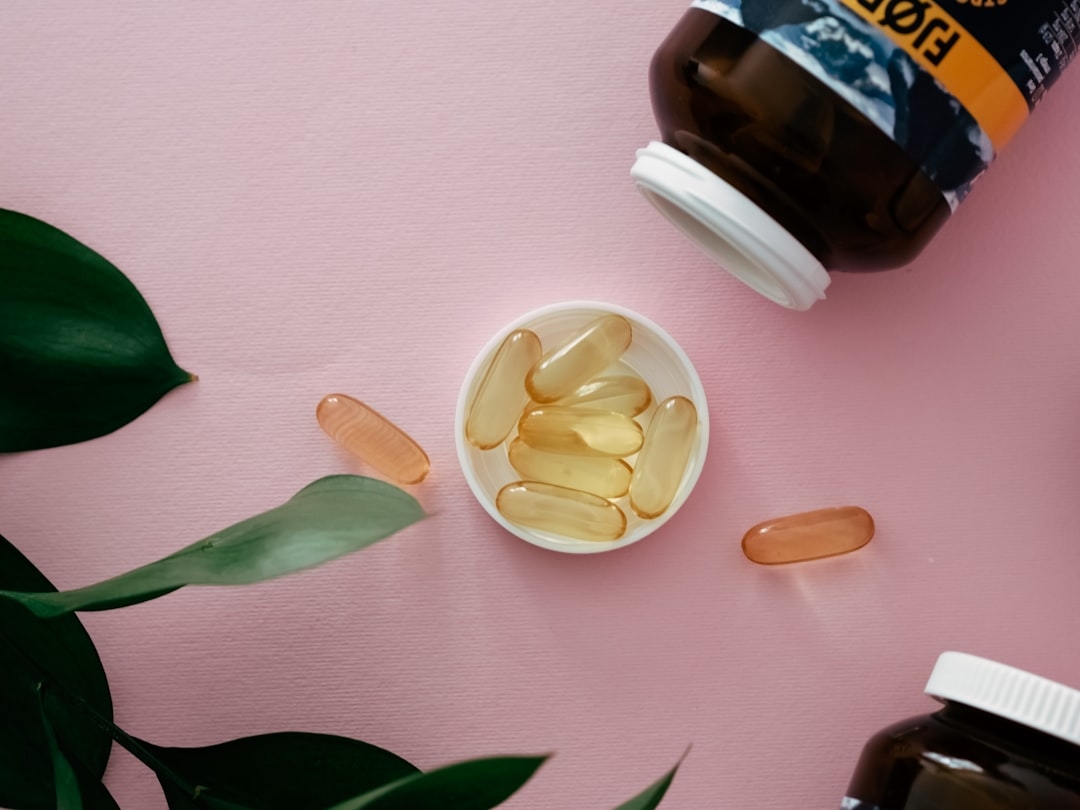
Practical action: Supplement with 1000 to 2000 international units (IU) of vitamin D3 daily from October through March. Year-round, aim for 10 to 20 minutes of midday sun exposure on exposed skin when possible. Request a 25-hydroxyvitamin D test (the accurate measure) rather than relying on assumptions. Optimal levels sit between 30 and 100 nanograms per millilitre.
Zinc Deficiency (The Overlooked Mineral)
Zinc is a cofactor for over 300 enzymes in your body, including those involved in hair protein synthesis and follicle renewal. Deficiency manifests as hair loss, poor wound healing, and weakened immunity—a trio that often gets blamed on other factors.
Zinc is plentiful in meat, shellfish, seeds, and legumes, yet deficiency still emerges surprisingly often. Why? Absorption issues. Phytic acid (found in grains, seeds, and legumes) binds zinc and reduces uptake. Digestive conditions like Crohn’s disease or coeliac disease impair absorption. Even certain medications, including some blood pressure drugs, can deplete zinc stores.
Hair analysis tests marketed to the public can detect zinc deficiency, though serum zinc tests (blood tests) remain the standard. Serum zinc below 11 micromoles per litre indicates deficiency.
Practical action: Increase zinc-rich foods: oysters contain 16 milligrams per 3-ounce serving, beef 7 milligrams per 3 ounces, pumpkin seeds 2.2 milligrams per ounce. If supplementing, 15 to 30 milligrams daily suffices; higher doses without testing risk toxicity and can impair copper absorption. Pair zinc-rich foods with vitamin C to enhance absorption.
Vitamin B12 Deficiency (The Vegan’s Challenge)
Vitamin B12 is essential for DNA synthesis and cell division—both critical for rapid hair growth. Deficiency causes megaloblastic anaemia, a condition that directly impairs follicle function. Unlike iron, vitamin B12 is found exclusively in animal products (meat, fish, dairy, eggs), with the exception of fortified plant-based foods and supplements.
Vegans and vegetarians face heightened risk, particularly if they don’t consume fortified foods regularly. But deficiency also affects meat-eaters: autoimmune conditions like pernicious anaemia destroy the cells that produce intrinsic factor, a protein necessary for B12 absorption. Older adults, those with digestive disorders, and people taking metformin (a diabetes medication) are similarly vulnerable.
Symptoms include fatigue, neuropathy (nerve damage), and hair thinning. By the time these symptoms appear, B12 stores have been depleted for months.
Practical action: If vegan or vegetarian, consume fortified plant milks (typically 1.5 to 3 micrograms per serving) or take a B12 supplement of 25 to 100 micrograms daily. Others can boost intake via fortified cereals, nutritional yeast, or animal products. Request a serum B12 test; levels below 200 picograms per millilitre warrant supplementation or injections.
Selenium Deficiency (The Rare but Real Issue)
Selenium is a component of selenoproteins, which regulate thyroid hormone metabolism and protect cells from oxidative damage. Hair follicles depend on selenoproteins for normal cycling and pigmentation. Deficiency is rare in most developed countries because bread, nuts (especially Brazil nuts), and fish contain reasonable amounts.
However, soil selenium content varies geographically. Some regions produce lower-selenium crops. Additionally, thyroid conditions triggered by low selenium can independently cause hair loss, creating a compounding effect.
Severe selenium deficiency is uncommon in the UK, but marginal deficiency can contribute to shedding, particularly when combined with other nutritional gaps.
Practical action: Eat one to two Brazil nuts daily, or include selenium-rich foods like tuna (68 micrograms per 3-ounce serving), turkey, and eggs (15 to 34 micrograms per 3 ounces depending on type) several times weekly. Supplementation is rarely necessary; excessive selenium (above 400 micrograms daily) causes toxicity.
How to Identify Your Specific Deficiency
Generic hair loss supplements claim to address everything, yet they often contain sub-clinical doses of multiple nutrients rather than therapeutic amounts of what you actually need. Targeted approach works better.

Step 1: Blood Tests
Request these from your GP: ferritin (iron stores), serum iron and TIBC, vitamin D (25-hydroxyvitamin D), vitamin B12, folate, zinc, selenium, and a thyroid panel (TSH, free T4). These tests identify objective deficiencies and cost nothing on the NHS. Expect results within 1 to 2 weeks.
Step 2: Dietary Audit
Track what you eat for three to five days. Identify patterns: do you rarely consume red meat (iron)? Skip fortified foods (B12)? Avoid seafood (selenium, iodine)? Do you spend winters indoors (vitamin D)? This reveals dietary gaps immediately.
Step 3: Absorption Check
Consider your digestive health. Do you have IBS, inflammatory bowel disease, or recent gastric surgery? These impair nutrient absorption. Do you take medications that deplete specific nutrients (ask your pharmacist)? Do you consume high-dose calcium or iron with coffee or tea (which reduces iron absorption)? These factors matter as much as diet composition.
Common Mistakes to Avoid When Addressing Nutritional Hair Loss
People often stumble when tackling deficiency-related hair loss. Here are the frequent pitfalls:
- Expecting overnight results: Hair grows slowly. Even after correcting a deficiency, you won’t see improvement for 3 to 6 months because the hair currently on your head was already committed to its growth cycle before supplementation began. New hair growth reflects the nutritional status from the previous months.
- Supplementing without testing: Taking random multivitamins wastes money and can cause mineral imbalances. Zinc excess inhibits copper absorption. Iron without need causes oxidative damage. Test first, supplement second.
- Assuming more is better: Supplementing beyond recommended doses doesn’t accelerate results and risks toxicity. Selenium above 400 micrograms daily causes hair loss—ironic but true. Iron without deficiency damages organs.
- Ignoring absorption factors: Swallowing a supplement is not the same as absorbing it. Taking iron with calcium, tea, or coffee reduces absorption by 50% or more. Taking fat-soluble vitamins (D, K, A, E) without dietary fat prevents absorption entirely.
- Overlooking related deficiencies: Deficiencies rarely travel alone. Someone with iron deficiency often lacks B12 and folate. Vitamin D deficiency frequently accompanies magnesium deficiency. Address the cluster, not just one nutrient.
Sustainable Nutrition: Building Long-Term Hair Health
Rather than relying indefinitely on supplements, developing a sustainable eating pattern that naturally supplies these nutrients creates lasting results. This aligns with broader health goals and reduces packaging waste from supplement containers.
Prioritise whole foods: red meat (beef, lamb) provides iron, zinc, and B12 in absorbable form. Fatty fish (mackerel, sardines) supplies vitamin D, selenium, and omega-3 fatty acids that support scalp health. Legumes (lentils, chickpeas) offer iron and zinc, though pairing them with vitamin C (citrus, tomatoes) enhances absorption. Leafy greens provide folate, which works alongside B12 to support cell division in hair follicles.
The most nutritionally dense approach combines animal and plant foods. Vegans and vegetarians can maintain adequate nutrition with careful planning: fortified B12 foods, abundant legume + grain combinations, plenty of nuts and seeds, and strategic supplementation where absorption is limited.
This shift takes discipline initially. But once established, eating for hair health becomes automatic and requires no ongoing supplement purchases or adherence tracking.
When Deficiency Isn’t the Whole Story
Correcting nutritional deficiency resolves hair loss in many cases. However, some people continue shedding despite optimal nutrient levels. When does deficiency matter less, and what else should you consider?
Genetic Pattern Baldness: If your parents or grandparents experienced androgenetic alopecia (male or female pattern baldness), genetics drive the condition, not nutrition. Nutritional optimisation still matters because deficiency accelerates hair loss in genetically susceptible people, but it alone won’t stop genetically programmed shedding.
Autoimmune Conditions: Alopecia areata, where the immune system attacks hair follicles, benefits from nutritional support but requires medical treatment. Thyroid autoimmunity (common in women) causes hair loss through hormonal disruption; nutritional deficiency worsens it but isn’t the primary driver.
Hormonal Changes: Postpartum shedding, menopause-related thinning, and hormonal contraceptive effects operate via different mechanisms. Good nutrition supports recovery but doesn’t reverse the underlying hormonal shifts.
Stress and Sleep Deprivation: Chronic stress elevates cortisol and pushes follicles into telogen phase. Sleep deprivation impairs growth hormone secretion. Supplements cannot override these lifestyle factors; you must address stress management and sleep quality first.
A practical truth: optimising nutrition removes one source of preventable hair loss. If shedding continues despite corrected deficiencies and you’ve ruled out genetic factors, consult a trichologist or dermatologist to investigate other causes.
FAQ: Answering Your Remaining Questions
How long does it take to see hair growth improvements after correcting a deficiency?
Expect 3 to 6 months minimum. Your hair follows a programmed growth cycle. The hair currently on your head will shed on schedule regardless of new nutrition. Only newly generated follicles benefit from corrected deficiencies. If your hair growth cycle is 6 months and you’ve been deficient for years, you’re waiting for new growth to emerge from the scalp.
Can I just take a multivitamin to cover all bases?
Most multivitamins contain sub-therapeutic doses: 15 milligrams of zinc when therapeutic doses reach 30 milligrams, or 400 IU of vitamin D when deficiency requires 1000 to 2000 IU. They’re insurance policies, not medicines. If you have a documented deficiency, a targeted supplement at therapeutic dose beats a weak multivitamin.
Is hair loss from deficiency reversible?
Yes, if the deficiency is corrected before follicles are permanently damaged. Temporary shedding (telogen effluvium) from deficiency reverses completely. Hair loss from months of severe deficiency takes longer but typically recovers. Only when follicles atrophy permanently (rare without extreme prolonged deficiency) does loss become permanent.
Which deficiency is most likely causing my hair loss?
In the UK, iron deficiency tops the list, followed by vitamin D deficiency. If you menstruate, are vegetarian, or work indoors, investigate iron and vitamin D first. If you’re vegan, B12 is your priority. Testing is the only way to know for certain—guessing wastes time and money.
Are there hair-specific supplements that work better than general supplements?
Marketing claims otherwise, but hair-specific supplements work only if they address your actual deficiency at therapeutic doses. A supplement marketed for hair containing 15 micrograms of zinc helps no one with zinc deficiency who needs 30 milligrams. Choose based on your test results, not the label’s claims.
Your Path Forward: Building Hair Resilience Through Nutrition
Hair loss rooted in nutritional deficiency represents one of the few causes you can directly control. Unlike genetics, stress, or hormonal shifts, you can test for deficiencies, correct them, and watch hair quality improve. The process requires patience—hair operates on its own timeline—but it’s straightforward and evidence-based.
Start here: request blood tests from your GP. Specifically ask for ferritin, vitamin D, B12, and zinc levels. Once you know your status, you move from guessing to acting. If deficiency exists, dietary changes or targeted supplementation becomes your concrete next step. If tests return normal, you know to investigate other causes—genetics, hormones, or underlying medical conditions—with your doctor’s guidance.
This targeted approach beats buying random hair supplements or accepting shedding as inevitable. Your hair is waiting for the nutrients it needs to thrive.




Add Comment