Contents:
- The Newborn Hair Timeline: What Happens When
- Why Does This Hair Loss Occur?
- Distinguishing Normal Hair Loss from Potential Concerns
- Practical Strategies to Minimise Friction-Related Loss
- Daily Scalp Care Protocol
- Timeline and Growth Pattern Through 2026
- Cost Considerations for Hair Care
- Frequently Asked Questions
- At what age does a baby’s hair start falling out?
- Is bald spot development in babies normal?
- Can I prevent my baby from losing hair?
- When should I be concerned about my baby’s hair loss?
- Will my baby’s new hair be the same colour as birth hair?
- Moving Forward with Confidence
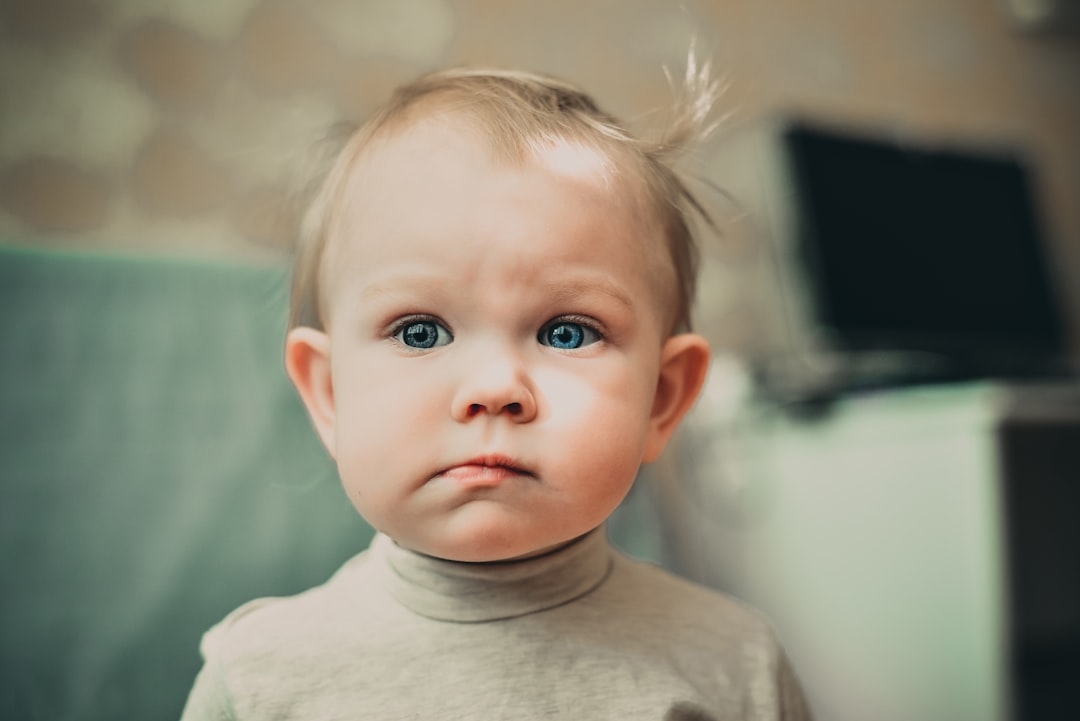
Up to 50% of newborns experience noticeable hair shedding within the first three months of life. This alarming statistic sends countless parents into a panic, convinced something is wrong with their baby. Yet this common phenomenon, known as telogen effluvium, is entirely normal and temporary. Understanding the science behind it can transform parental anxiety into reassurance.
The Newborn Hair Timeline: What Happens When
Babies born with hair don’t necessarily keep it. The hair present at birth is called lanugo and vellus hair, which operate on a completely different cycle than adult hair. Many infants begin losing their birth hair around 8 to 12 weeks old, though some start earlier and others later. By four months, significant shedding is entirely typical.
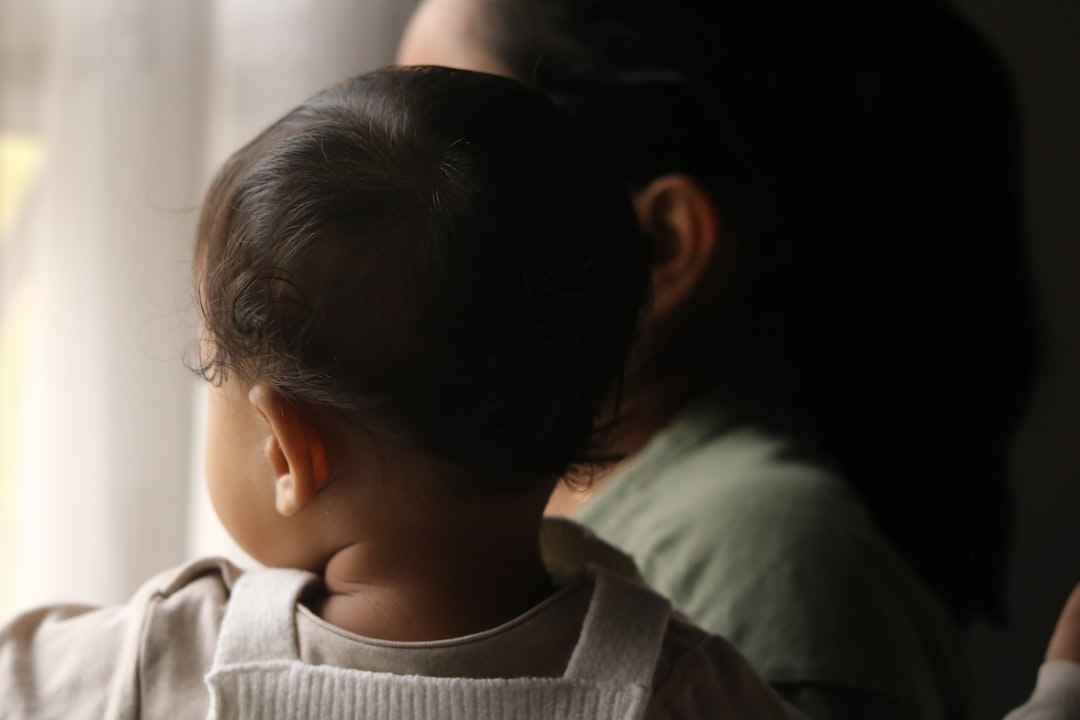
The process isn’t instantaneous. Hair gradually falls out over several weeks as new hair follicles enter the active growth phase. Parents often notice thin patches, particularly on the back of the scalp where friction from lying down accelerates loss. This bald spot pattern is so common it has its own name: friction alopecia. It typically appears between weeks 4 and 8 and resolves naturally as the baby spends less time lying flat.
Complete regrowth usually takes place by 12 to 18 months. However, the new hair that comes in may be an entirely different texture or colour from the original. Babies born with dark hair sometimes develop blonde or red hair. Those born bald might suddenly sprout thick curls. These dramatic changes reflect the natural variation in hair genetics as the scalp transitions from fine infant hair to permanent follicles.
Why Does This Hair Loss Occur?
The root cause lies in hormonal shifts following birth. During pregnancy, elevated maternal oestrogen keeps foetal hair in the growth (anagen) phase. Immediately after delivery, hormone levels plummet, triggering a synchronised shift into the resting (telogen) phase. This causes widespread shedding approximately 2 to 3 months later as the resting cycle concludes.
This mechanism is not a disorder—it’s a natural reset. The baby’s own hormonal system gradually takes over scalp regulation, establishing individual hair growth patterns that will persist into adulthood. The shedding phase is actually a sign of healthy transition, not a failure of hair growth.
Friction contributes significantly to localised hair loss. Newborns spend 16 to 20 hours daily sleeping, often with their heads in the same position. The repetitive rubbing of hair against the crib mattress, combined with the baby’s delicate scalp skin, creates conditions where hair comes loose more easily. Once a bald spot appears, it can become more pronounced because the friction is now applied directly to scalp skin rather than protected hair.
Distinguishing Normal Hair Loss from Potential Concerns
While most infant hair loss is harmless, a few patterns warrant professional assessment. Consult your GP if your baby loses patches of hair suddenly after six months old, develops scaly or inflamed areas on the scalp, shows hair loss accompanied by other symptoms like poor feeding or weight loss, or exhibits asymmetrical patterns that don’t correspond to friction points.
Conditions like seborrhoeic dermatitis or fungal infections can cause abnormal hair loss, though these are relatively rare. The key distinction: normal newborn shedding affects large areas symmetrically, occurs in the first 6 months, and requires no treatment.
Practical Strategies to Minimise Friction-Related Loss
Although you cannot prevent the hormonal shedding phase, you can reduce mechanical hair loss during vulnerable months. Change your baby’s sleeping position regularly—alternate between left and right sides, and ensure they’re not always positioned with the same part of the scalp against bedding. Soft cotton sheets and mattress protectors reduce friction compared to rougher fabrics.
Avoid tight headwear during the shedding phase. Hats, bonnets, and hairclips that grip the hair create additional tension on weakened follicles. Gentle handling during nappy changes and bathing matters more now than at other times. Pat the scalp dry rather than rubbing.
A cradle cap (mild seborrhoeic dermatitis) often appears alongside hair shedding. This yellowish, scaly buildup doesn’t cause hair loss itself but can create the appearance of thinner hair. Gentle daily scalp massages with a soft brush help remove dead skin without damaging hair. Olive oil or mild baby shampoo provides adequate treatment for most cases. No expensive specialised products are necessary—basic infant care supplies cost £5 to £15 per item.
Daily Scalp Care Protocol
- Wash hair 2 to 3 times weekly with lukewarm water and mild baby shampoo
- Gently comb hair while it’s damp using a soft baby brush
- Avoid pulling or tugging on hair clumps
- Limit direct sun exposure during peak UV hours (11am to 3pm)
- Rotate sleeping positions to distribute pressure evenly
Timeline and Growth Pattern Through 2026
Tracking your baby’s hair progression helps distinguish normal patterns from concerns. During spring and summer months (March through August 2026), babies typically show the most noticeable regrowth, as increased daylight and warmth stimulate hair follicles. Parents often notice new hair coming in more visibly during these warmer months.
By autumn (September onwards), most children have regained sufficient hair coverage that friction spots become less obvious. The complete transition to permanent adult-pattern hair extends through the entire first year and into the second year of life. Most babies have achieved their characteristic adult hair colour and texture by 18 to 24 months.
Cost Considerations for Hair Care
Managing infant hair during the shedding phase requires minimal expense. Standard baby shampoo costs £3 to £8 per bottle and lasts several months. A soft baby brush runs £2 to £5. Specialised anti-hair-loss products marketed to parents are unnecessary—plain olive oil (£1 to £3) works equally well for seborrhoeic dermatitis. Unless medically indicated, hair care during infancy should stay within £10 to £20 total investment.
If your baby requires GP evaluation for abnormal hair loss, dermatology referral would cost nothing through the NHS. Private dermatology consultations range from £150 to £300, though they’re rarely necessary for normal newborn hair shedding.
Frequently Asked Questions
At what age does a baby’s hair start falling out?
Most babies begin shedding between 8 and 12 weeks old, though some start as early as 4 weeks or as late as 4 months. The timing varies based on individual hormone levels and the rate at which maternal oestrogen clears the baby’s system.
Is bald spot development in babies normal?
Yes. Friction alopecia—smooth bald patches on the back of the scalp—is extremely common and harmless. It appears between weeks 4 and 8 and disappears naturally by 6 to 12 months as the baby spends more time upright and in different positions.
Can I prevent my baby from losing hair?
No. The hormonal shedding phase is inevitable and indicates healthy transition to independent scalp regulation. You can only minimise friction-related loss through positional changes and gentle handling, which has modest impact on overall shedding.
When should I be concerned about my baby’s hair loss?
Seek medical advice if hair loss occurs after six months, appears in asymmetrical or patchy patterns not consistent with friction, is accompanied by scalp inflammation or flaking, or coincides with other developmental concerns.
Will my baby’s new hair be the same colour as birth hair?
Frequently, no. The permanent hair that regrows may be entirely different in colour and texture. Genetic expression during early postnatal development explains why brown-haired newborns sometimes develop blonde hair, or vice versa. The baby’s permanent hair type usually stabilises by 18 months.
Moving Forward with Confidence
Watching your baby’s hair fall out triggers legitimate concern, but understanding the mechanism reassures you that when do babies lose their hair is a question with a simple answer: during normal, temporary developmental transition. The shedding phase represents your baby’s scalp establishing independence from maternal hormonal influence and creating the permanent hair patterns they’ll carry into childhood.
Track your baby’s progression through photographic records—comparing monthly pictures makes gradual regrowth visible and provides reassurance during the thinnest phases. By month six, most visible improvement is apparent. By month 12, most parents forget hair loss was ever a concern. Your baby’s unique hair identity emerges through this process, ready for years of growth ahead.


Add Comment