Contents:
- The Origins: When Were Hair Straighteners First Developed?
- Key Developments in Hair Straightener History
- Early Manual Irons (1870s–1920s)
- Mechanical Spring-Loaded Straighteners (1920s–1960s)
- Electric Straightening Tools (1960s–1980s)
- Modern Ceramic and Digital Straighteners (1990s–Present)
- The Technology Behind Modern Hair Straighteners
- Hair Straighteners vs. Hair Dryers: A Common Confusion
- Common Mistakes to Avoid When Using Hair Straighteners
- Practical Tips for Safe Hair Straightening
- FAQ: Questions About Hair Straightener History and Use
- The Evolution Continues: Future Hair Straightening Technology
Picture yourself in a Victorian parlour, gas lamps flickering overhead, as a woman carefully passes a heated iron rod through her hair, the scent of singed strands mixing with lavender water. This mundane grooming ritual, repeated countless times across decades, represents the beginning of a technology that would eventually revolutionise how people style their hair worldwide.
The Origins: When Were Hair Straighteners First Developed?
Hair straightening technology emerged gradually throughout the 19th century, rather than arriving as a single invention. The earliest forms of hair straightening date back to approximately the 1870s, when heated metal implements were first deliberately used to smooth hair texture. These primitive devices consisted of flat metal plates or rods that were heated on stoves or fires, then pressed through hair to flatten waves and curls.
The first patent for a hair straightening iron was granted in 1909 to an American inventor, representing the first formal recognition of this technology. However, the concept had been practised informally for several decades beforehand. Women across Europe and America had been using heated combs, flat rods, and even heavy flat irons (traditionally used for pressing clothes) to achieve straight hair, adapting tools designed for other purposes.
Key Developments in Hair Straightener History
Early Manual Irons (1870s–1920s)
The earliest straightening devices were labour-intensive and potentially dangerous. Women heated metal rods in open flames or on hot stove surfaces, testing temperature with their fingers or a quick pass near the face. Burns and singed hair were common occupational hazards. These tools were typically made of solid iron and became extremely hot—sometimes reaching temperatures above 200°C. The process required multiple passes through hair and constant reheating, taking anywhere from thirty minutes to over an hour per session.
Mechanical Spring-Loaded Straighteners (1920s–1960s)
The 1920s brought significant improvement through spring-loaded designs that allowed more controlled clamping. These heated irons featured two heated plates connected by a spring mechanism, enabling users to open and close the device with one hand whilst holding a section of hair. Temperature control remained largely absent, though some higher-end models featured basic thermostats by the 1950s.
Electric Straightening Tools (1960s–1980s)
Electric-powered straighteners appeared in the 1960s, transforming the technology through reliable, consistent heat sources. Instead of relying on external heat sources and constant reheating, electric irons maintained steady temperatures throughout the styling process. By the 1970s, adjustable temperature settings became standard, allowing users to select appropriate heat levels for different hair types.
Modern Ceramic and Digital Straighteners (1990s–Present)
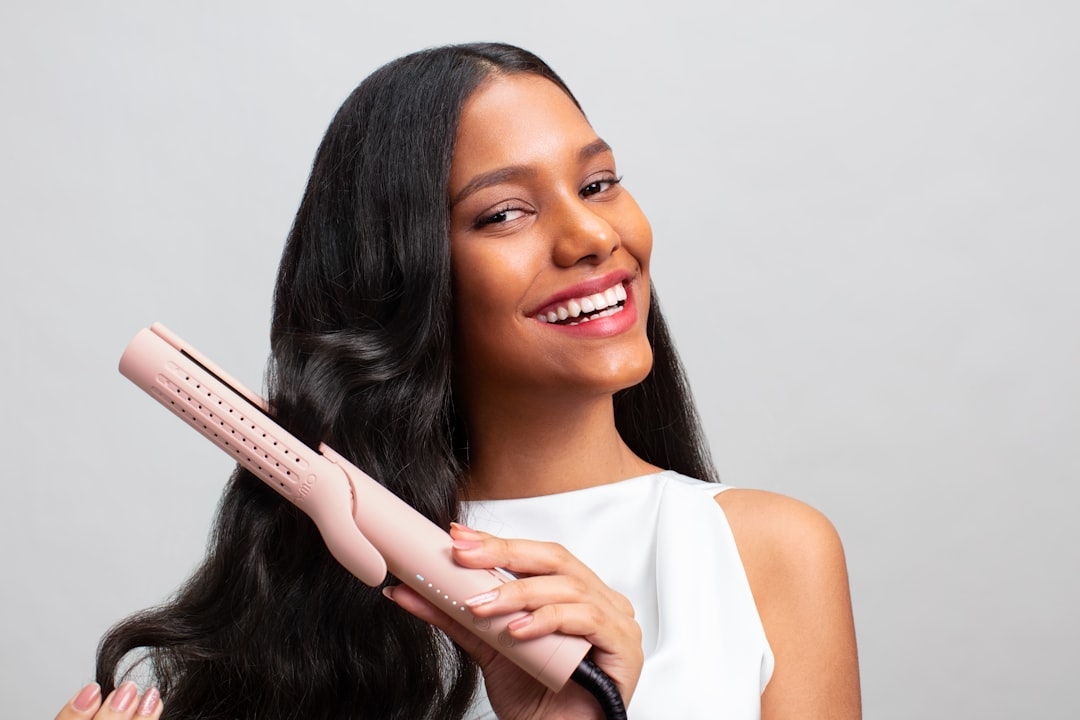
The 1990s introduced ceramic-coated plates, which distribute heat more evenly and reduce damage compared to plain metal surfaces. Digital temperature displays and automatic shut-off features arrived in the early 2000s. Contemporary straighteners (available in 2026) incorporate ionic technology, infrared heat settings, and moisture-sensing technology, with premium models costing £60–£300. Professional-grade tools utilise tourmaline-infused ceramic plates and nano-silver technology to minimise frizz and heat damage.
The Technology Behind Modern Hair Straighteners
Modern straighteners work through controlled heat application combined with physical pressure. Ceramic and tourmaline plates heat to between 150–240°C, depending on hair type and thickness. Ionic technology releases negative ions that seal hair cuticles, reducing frizz by up to 70% compared to non-ionic straighteners. Infrared heat penetrates hair shafts whilst reducing surface temperature damage.
Digital models from reputable manufacturers include preset temperatures for different hair types: fine hair (150–180°C), medium hair (180–200°C), and thick or textured hair (200–240°C). Professional stylists typically recommend maximum temperatures of 200°C for daily use to minimise long-term damage.
Hair Straighteners vs. Hair Dryers: A Common Confusion
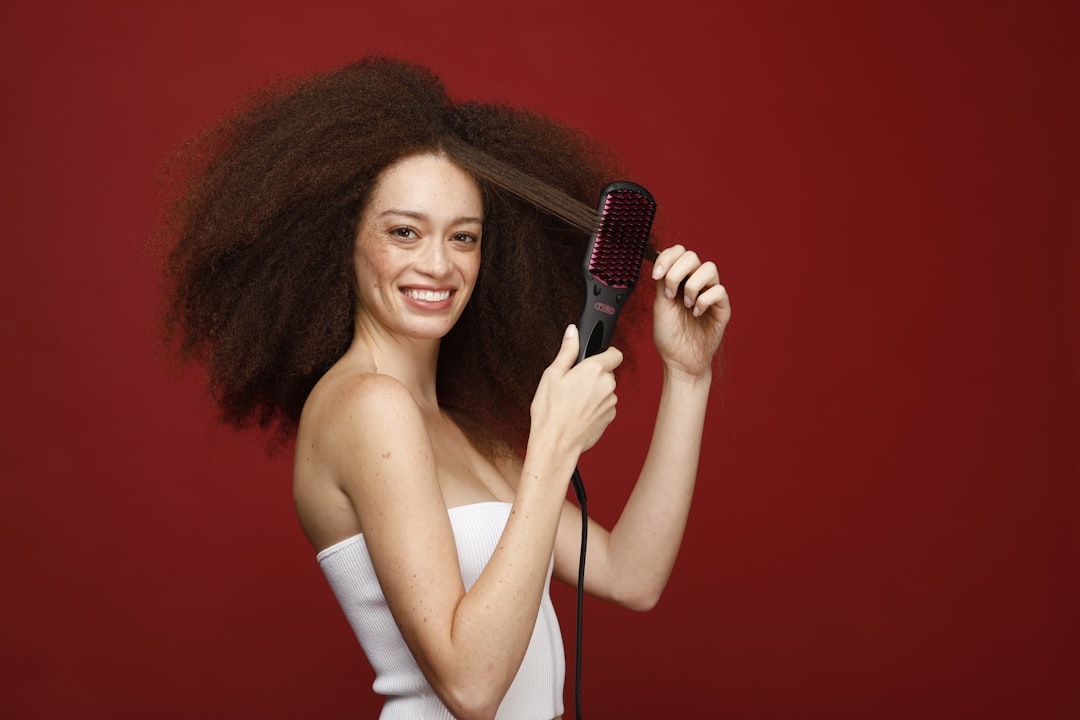
People frequently conflate hair straighteners with hair dryers, though they serve distinctly different purposes. Hair dryers use hot air circulation to evaporate moisture and can be used to blow-dry hair smooth. Straighteners use concentrated, direct heat and physical clamping pressure to reshape hair structure. Straighteners produce immediate, more permanent results within a single session, whilst blow-drying creates temporary smoothing that may revert with humidity or moisture. For achieving lasting straight results on curly or wavy hair, straighteners prove significantly more effective. Straighteners do, however, carry higher risks of heat damage due to concentrated heat contact.
Common Mistakes to Avoid When Using Hair Straighteners
Understanding when hair straighteners were invented contextualises their evolution, but modern users benefit from recognising common application errors:
- Using excessive heat: Temperatures above 200°C accelerate protein breakdown in hair. Starting at 180°C and increasing only if necessary preserves hair integrity far better than beginning at maximum heat.
- Straightening wet hair: Moisture in hair creates steam pockets that can cause structural damage. Hair should be 80–90% dry before straightening.
- Skipping heat protectant products: Applying silicone-based or ceramic-infused serums creates a barrier reducing direct heat contact. This measurably reduces breakage and split ends.
- Pulling too tightly: Tension during straightening stresses hair follicles. Gentle, smooth passes work equally effectively with significantly less structural strain.
- Daily use without breaks: Hair requires recovery periods. Using straighteners three times weekly maximum allows natural oil redistribution and keratin restoration.
Practical Tips for Safe Hair Straightening
For best results with modern straighteners, invest in a quality model with ionic technology and adjustable temperature settings—budget approximately £40–£80 for reliable daily-use tools. Always use a heat protectant product beforehand; products containing argan oil or keratin offer superior protection. Begin with the lowest effective temperature; you can always increase heat if needed. Allow 3–5 seconds per section of hair, moving smoothly from root to tip without pausing. Never straighten the same section twice during a single session.
FAQ: Questions About Hair Straightener History and Use
When were hair straighteners first invented?
Hair straightening technology developed gradually throughout the 1870s using manual heated irons. The first formal patent for a hair straightening iron was granted in 1909.
What were the earliest hair straighteners made from?
Early straighteners consisted of solid iron rods or flat plates heated on stoves or fires. Users tested temperature with their fingers and reheated the tools repeatedly throughout the styling process.
How have hair straighteners changed since the 1960s?
Electric models arrived in the 1960s, ceramic plates in the 1990s, and digital temperature controls with ionic technology in the 2000s. Modern straighteners include infrared settings, moisture sensors, and automatic shut-off features that early models completely lacked.
Are expensive hair straighteners worth the cost?
Premium models (£100+) typically feature superior ceramic or tourmaline plates, more accurate temperature control, and longer durability. For occasional users, mid-range straighteners (£40–£60) prove adequate. Frequent users benefit from professional-grade tools that reduce frizz and heat damage more effectively.
Can frequent straightening permanently damage hair?
Repeated high-temperature straightening weakens hair structure over time. Using appropriate temperatures, heat protectant products, and limiting usage to 2–3 times weekly significantly reduces permanent damage risk. Damaged hair requires regular trims every 6–8 weeks to remove compromised ends.
The Evolution Continues: Future Hair Straightening Technology
Hair straightener technology continues advancing in 2026, with emerging innovations including moisture-adaptive heat settings, blockchain-tracked device maintenance alerts, and AI-powered temperature recommendations based on hair analysis. Water-activated ionic technology and infrared-only heating systems without direct plate contact are currently in development, promising even safer styling without sacrificing effectiveness.
Understanding the journey from Victorian-era heated irons to contemporary ionic straighteners reveals how persistent human desire to shape appearance drives technological innovation. Today’s straighteners represent 150+ years of refinement, turning a potentially dangerous practice into a relatively safe styling method. Whether you straighten your hair weekly or prefer your natural texture, you’re participating in a tradition stretching back generations—now with considerably less risk of burns and singed strands. Choose tools suited to your specific hair type, prioritise heat protection, and remember that healthier hair always looks better than perfectly straight but damaged hair.


Add Comment