
Contents:
- The Sensory Mechanism: Why Does Pulling Hair Feel Good?
- The Stress-Relief Component
- Psychological Reinforcement: The Habit Loop
- Individual Differences in Hair-Pulling Sensitivity
- When Hair Pulling Becomes Trichotillomania
- Cost of Professional Support in the UK
- Differentiating Hair-Pulling Triggers
- Stress and Anxiety-Related Pulling
- Boredom-Related Pulling
- Focused or Compulsive Pulling
- FAQ
You’re stressed, bored, or anxious, and suddenly you’re absentmindedly pulling hair strands from your scalp. It feels oddly satisfying—not painful, but weirdly pleasant. You’re not alone; most people have experienced this peculiar sensation, yet few understand why pulling hair feels good rather than immediately hurting. The answer involves sensory nerves, stress hormones, and a psychological mechanism your brain uses to self-regulate.
The Sensory Mechanism: Why Does Pulling Hair Feel Good?
Hair pulling triggers multiple sensory responses simultaneously. Your scalp contains thousands of nerve endings—specifically, mechanoreceptors that respond to pressure and touch. When you pull a hair strand, these nerves respond with a sensation best described as pulling pressure combined with a slight pop or release when the hair detaches from the follicle. This sensation registers differently than pain.
The scalp’s nerve density means pulling hair there creates noticeable sensory feedback. Unlike pulling hair on your arm (barely perceptible), pulling scalp hair creates a distinct, focused sensation. Many people describe it as satisfying because the sensory input is clear and definable. Your brain registers this sensation, and if you’re seeking input (which stressed, bored, or anxious people often are), that input feels rewarding.
The Stress-Relief Component
Hair pulling often occurs during stress, anxiety, or boredom because these emotional states create tension your brain unconsciously seeks to release. Repetitive physical actions—hair pulling, fidgeting, bouncing your leg—activate your parasympathetic nervous system, which is responsible for calming your body. When your sympathetic nervous system (fight-or-flight response) is activated by stress, engaging in repetitive physical action signals your body to down-regulate that response. Hair pulling is the brain’s way of self-soothing.
Additionally, the slight endorphin release accompanying any physical sensation (however mild) can create a brief mood lift. Endorphins are your brain’s natural painkillers and mood elevators. Pulling hair stimulates nerve endings, which can trigger small endorphin releases, creating a subtle pleasant sensation. This endorphin element reinforces the behaviour—you feel marginally better, so your brain associates hair pulling with feeling better, creating a habit loop.
Psychological Reinforcement: The Habit Loop
Why pulling hair feels good becomes increasingly clear when you understand the habit loop. First, a trigger occurs (stress, boredom, anxiety). Second, the behaviour happens (hair pulling). Third, a reward follows (sensory satisfaction, slight mood lift, stress reduction). Your brain registers this pattern and begins seeking that reward cycle when faced with future triggers.
Over time, the behaviour strengthens. What started as occasional stress-related hair pulling becomes habitual. The behaviour becomes self-perpetuating not because hair pulling is objectively “good,” but because your brain has learned that it provides a small, immediate reward in the form of sensory input and mild mood regulation.
Individual Differences in Hair-Pulling Sensitivity
Not everyone finds hair pulling equally satisfying. Differences in nerve sensitivity, pain thresholds, and stress-management styles mean some people find hair pulling immediately unpleasant whilst others find it remarkably soothing. People with higher pain sensitivity may experience hair pulling as painful rather than pleasant, and therefore don’t develop the habit. People with lower pain sensitivity or high sensory-seeking needs may find hair pulling more rewarding than others.
Additionally, cultural and regional differences influence whether hair-pulling is normalised or discouraged. In some UK regions, hair-pulling as a stress-relief behaviour is more openly discussed; in others, it’s more taboo, and people hide the behaviour. This doesn’t change the neurological response, but it affects how comfortable people are admitting to the behaviour.
When Hair Pulling Becomes Trichotillomania
Occasional stress-related hair pulling is normal. Trichotillomania (body-focused repetitive behaviour) is when hair pulling becomes compulsive and causes noticeable hair loss, distress, or functional impairment. The distinction is important: normal hair pulling provides mild sensory reward; trichotillomania involves compulsive pulling despite negative consequences and significant distress about the behaviour.
If you’re pulling hair to the point of visible hair loss (noticeable bald patches, thinned areas), experiencing emotional distress about the behaviour, or unable to stop despite wanting to, you may be dealing with trichotillomania rather than normal stress-relief hair pulling. This requires professional support—a therapist specialising in body-focused repetitive behaviours (BFRBs) can help break the habit loop through cognitive-behavioural therapy (CBT) or habit-reversal training.
Cost of Professional Support in the UK
If you’re seeking help for compulsive hair pulling, NHS therapy is free but has waiting lists (typically 8-16 weeks in 2026). Private therapy costs £40-100 per session depending on the therapist’s experience and location. A course of habit-reversal therapy typically involves 8-12 sessions, costing £320-1,200. Some therapists offer sliding-scale pricing based on income; many accept patients on NHS wait lists at reduced rates. Online therapy platforms like BetterHelp (£60-90 weekly) or IGTK (£60-80 weekly) offer flexible, more affordable options if traditional therapy access is limited.
Differentiating Hair-Pulling Triggers
Stress and Anxiety-Related Pulling
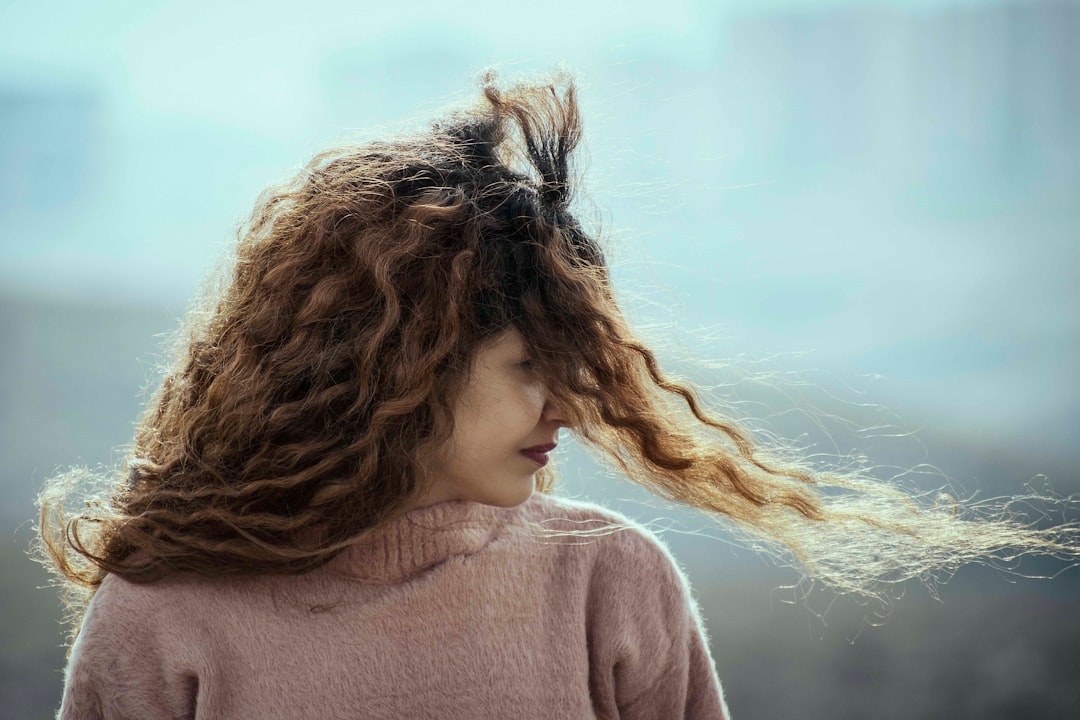
Pulling occurs when facing stressors, typically unconsciously. You might not notice you’re pulling until you feel the sensations or see strands in your hands. This type of pulling usually stops when the stressor is addressed or when you become consciously aware of the behaviour.
Boredom-Related Pulling
When understimulated, some people seek sensory input through hair pulling. This is particularly common during activities requiring minimal engagement (watching television, sitting in boring meetings, waiting). The pulling serves a sensory-seeking function rather than stress relief.
Focused or Compulsive Pulling
Pulling that feels intentional and focused, often accompanied by satisfaction at finding specific hair types (coarse, resistant, stubborn hairs) or at the moment of extraction, suggests more deliberate behaviour with stronger reinforcement.
FAQ
Why does pulling hair feel good instead of hurting?
Hair pulling stimulates nerve endings in your scalp without activating pain receptors at the same intensity. The sensory input feels satisfying because your brain interprets it as pleasant pressure plus a mild endorphin release. Additionally, the repetitive action itself activates calming mechanisms, making pulling psychologically rewarding during stress.
Is hair pulling bad for you?
Occasional stress-related hair pulling is normal and harmless. Compulsive hair pulling causing visible hair loss or distress (trichotillomania) requires professional support. The behaviour itself isn’t dangerous, but if it causes significant hair loss or emotional distress, it warrants addressing.
Can hair pulling cause permanent hair loss?
Chronic compulsive hair pulling can permanently damage hair follicles if continued for months or years, causing permanent hair loss in affected areas. Occasional pulling doesn’t cause permanent damage—hair regrows normally if follicles aren’t damaged from repeated trauma.
How do you stop pulling your hair?
Identify and address triggers (stress, boredom). Use habit-reversal techniques: when you notice urges, substitute alternative sensory input (fidget toy, textured object, hand-wringing). If compulsive, seek therapy—cognitive-behavioural therapy and habit-reversal training are highly effective for trichotillomania.
Is hair pulling a sign of a mental health problem?
Occasional stress-related hair pulling is normal. Compulsive trichotillomania is classified as a body-focused repetitive behaviour and often co-occurs with anxiety, depression, or other conditions. If pulling causes distress or hair loss, professional evaluation is worthwhile, but occasional pulling alone doesn’t indicate mental illness.
Understanding why hair pulling feels good doesn’t eliminate the urge, but it clarifies the mechanism: your brain is using physical sensation and endorphins to self-regulate stress. Whether that’s a harmless habit or a concerning compulsion depends on frequency, consequences, and distress level. Most people occasionally pull hair without lasting impact; if you’re pulling consistently or experiencing hair loss from the behaviour, professional support can help you redirect that self-soothing impulse toward healthier alternatives.



Add Comment