
Contents:
- The Question Every Potential Short Hair Wearer Asks
- Face Shape: The Foundation of Short Hair Suitability
- Round Faces
- Square Faces
- Oval Faces
- Heart-Shaped Faces
- Hair Texture and Short Hair Compatibility
- Straight Hair
- Wavy Hair
- Curly or Coily Hair
- What the Pros Know: The Consultation Matters
- Personal Style and Lifestyle Considerations
- Expert Perspective on Short Hair Suitability
- Testing Short Hair Before Committing
- Making Your Decision
- FAQ
- What face shape suits short hair best?
- Is short hair easier to maintain than long hair?
- Can curly hair look good short?
- How much does a short haircut cost in the UK?
- What if I cut my hair short and hate it?
The Question Every Potential Short Hair Wearer Asks
You’re scrolling Instagram, seeing gorgeous short haircuts, and wondering: will short hair suit me? The fear is real. Long hair can hide unflattering angles, but short hair exposes everything. A bad short cut sticks around for months, requiring patience to grow out. Yet the right short hairstyle is transformative, flattering, and genuinely easier to maintain than long hair. The answer to whether short hair suits you depends on your face shape, hair texture, personal style, and willingness to style your hair regularly.
The good news is straightforward: short hair suits nearly everyone when chosen thoughtfully. The catch is that “short hair” encompasses everything from pixies (1–2 inches) to bobs (chin-length), and different short styles flatter different face shapes entirely.
Face Shape: The Foundation of Short Hair Suitability
Round Faces
Round faces have similar width and length, making them appear wider. Short hair that adds height and angles flatters round faces significantly. Choose pixies with volume at the crown, textured bobs with side-swept bangs, or cropped cuts with layering that creates angles. Avoid blunt bobs ending at chin length—these emphasise roundness by shortening your face further.
A textured, layered pixie (approximately 2–3 inches) creates visual interest and angles that make your face appear slimmer. Pricing for pixie cuts at UK salons runs £20–£40.
Square Faces
Square faces have strong jawlines and broad foreheads. Soft, slightly longer short cuts work beautifully. Choose textured bobs slightly longer than chin-length, side-swept pixies, or shaggy layers that soften angular features. Avoid severe, blunt cuts that emphasise your strong jawline.
A soft, textured bob (3–4 inches) with layers and side-sweep flatters square faces beautifully. Most salons charge £25–£45 for bobs.
Oval Faces
Oval faces are proportionally balanced and suit nearly any short style. You have genuine freedom with short hair. Pixies, bobs, shags, undercuts—nearly everything works. Take advantage of your flexibility by choosing a style based on your hair texture and personal preference rather than face shape constraints.
Heart-Shaped Faces
Heart-shaped faces are wider at the forehead and narrower at the chin. Shorter styles that add fullness at the jaw work beautifully. Choose longer pixies, textured bobs, or side-swept styles that draw attention to your jawline. Avoid cuts with excessive volume at the crown, which emphasises forehead width.
Hair Texture and Short Hair Compatibility
Your hair texture dramatically affects whether short hair is practical or a daily frustration.
Straight Hair
Straight hair looks fantastic short. Blunt bobs, sleek pixies, and geometric cuts all suit straight hair. You have virtually no limitations. Short straight hair requires less styling time than long straight hair—a quick blow-dry and you’re done. Short straight hair is genuinely easier to maintain than long straight hair.
Wavy Hair
Wavy hair works well with textured, choppy short cuts but struggles with blunt bobs (which look uneven). Textured pixies, shags, and layered cuts embrace your wave pattern naturally. Avoid blunt, sleek styles unless you’re willing to blow-dry smooth daily.
Curly or Coily Hair
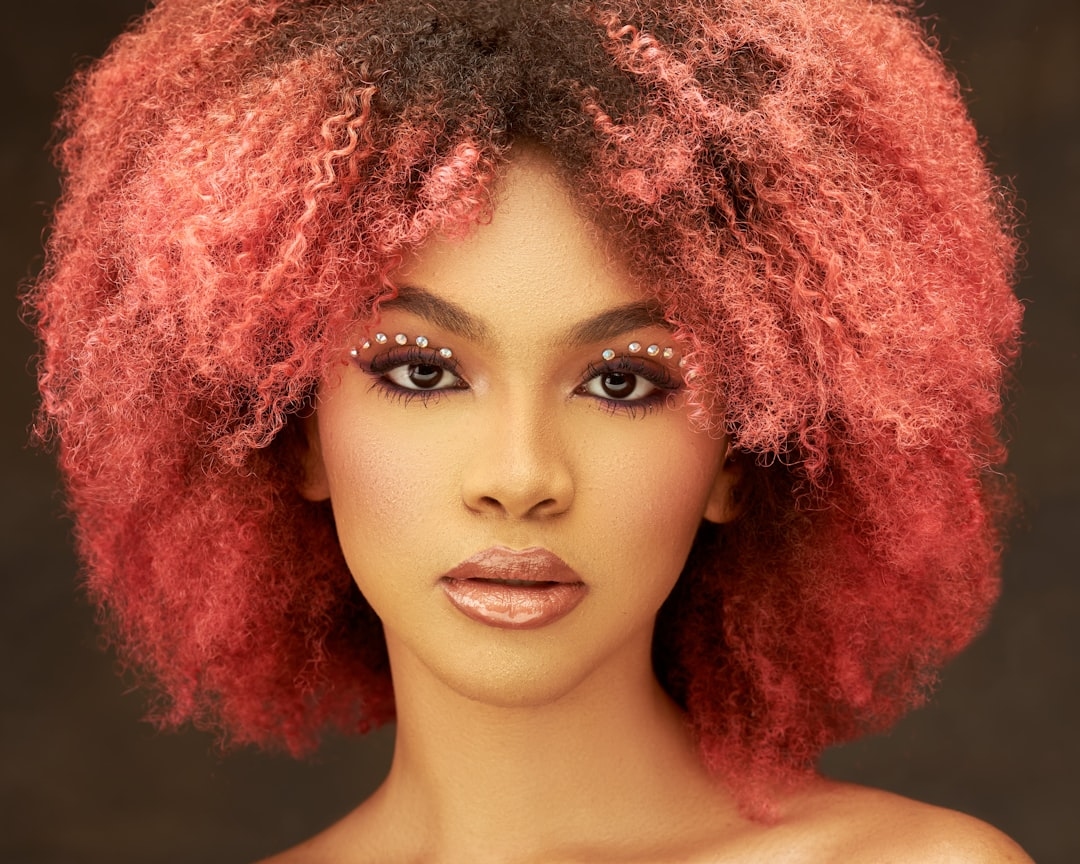
Curly hair looks stunning short. Short curly cuts are genuinely easier to manage than long curly hair because there’s less weight pulling curls straight. Short curls naturally bounce and define beautifully. A textured pixie or cropped cut suits curly hair exceptionally well. Avoid styles requiring blow-drying straight—this defeats the purpose of short hair’s ease.
What the Pros Know: The Consultation Matters
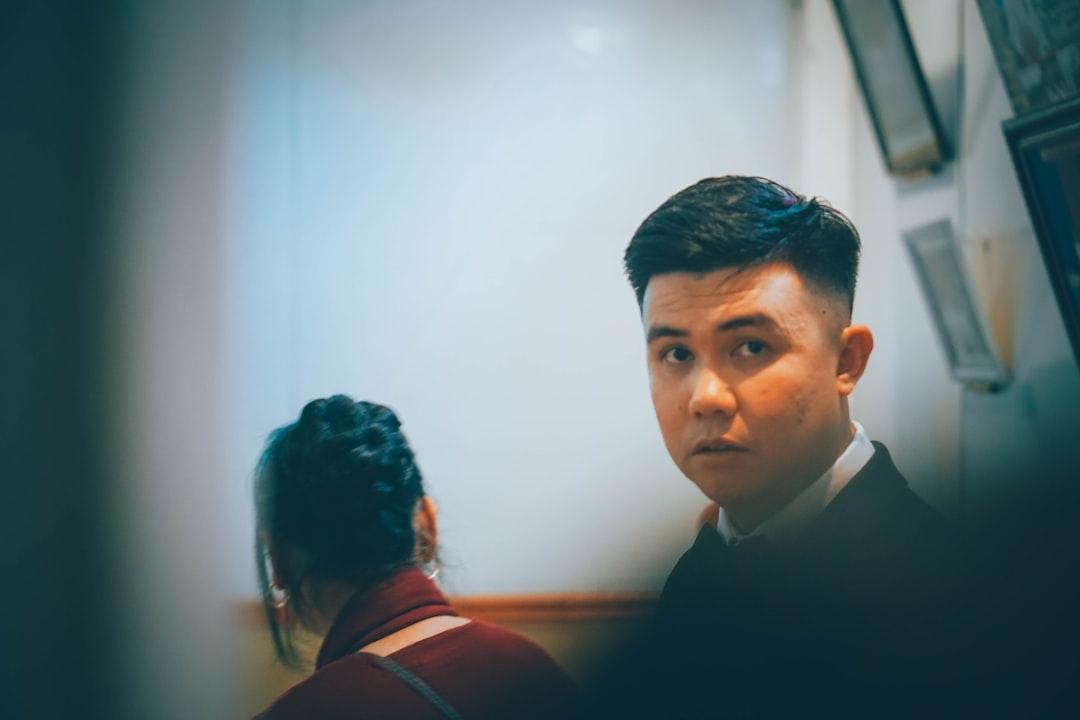
Professional hairstylists always start with a consultation before cutting short hair. The best approach: show your stylist specific short hairstyles you admire, discuss your hair texture honestly, and ask directly whether your stylist thinks each style suits your face shape. A stylist saying “that works beautifully with your face shape” versus “that might be challenging with your hair texture” provides crucial guidance. Trust a stylist’s professional opinion more than Instagram inspiration—they see thousands of faces and know what flatters various shapes. Consultations typically cost £15–£30, but the investment prevents regrettable cuts.
Personal Style and Lifestyle Considerations
Beyond face shape, short hair suitability depends on your lifestyle. Ask yourself honestly:
- Styling commitment: Are you willing to style your hair daily? Short hair requires regular blow-drying and maintenance. If you typically air-dry and wear hair down, short hair might feel high-maintenance.
- Professional environment: Do you work in a conservative industry? Short hair is increasingly accepted everywhere, but some traditional environments (law, banking, certain offices) have unspoken expectations. Know your workplace culture.
- Personal confidence: Do you feel confident with your face fully visible? Short hair exposes your features. If you’re self-conscious about your forehead, jawline, or ears, short hair puts these directly on display.
- Frequency of cuts: Short hair requires trimming every 4–6 weeks to maintain shape. Budget approximately £20–£40 monthly on haircuts. Long hair stretches to 8–12 weeks between trims, costing less annually despite longer appointments.
Expert Perspective on Short Hair Suitability
Hairstylist Sophie Martinez from Glasgow Hair Studio emphasises: “Ninety percent of my clients think their face shape won’t suit short hair, then love their cut once it’s done. The most important factor is choosing the right short style for your specific hair texture and face shape, not assuming short hair is universally flattering or unflattering. I’ve made people with round faces look dramatically slimmer with a pixie, and people with oval faces look terrible in the wrong short style. It’s not about face shape alone—it’s about matching style to shape and texture intelligently.”
Testing Short Hair Before Committing
Hesitant about the permanent change? Test short hair first:
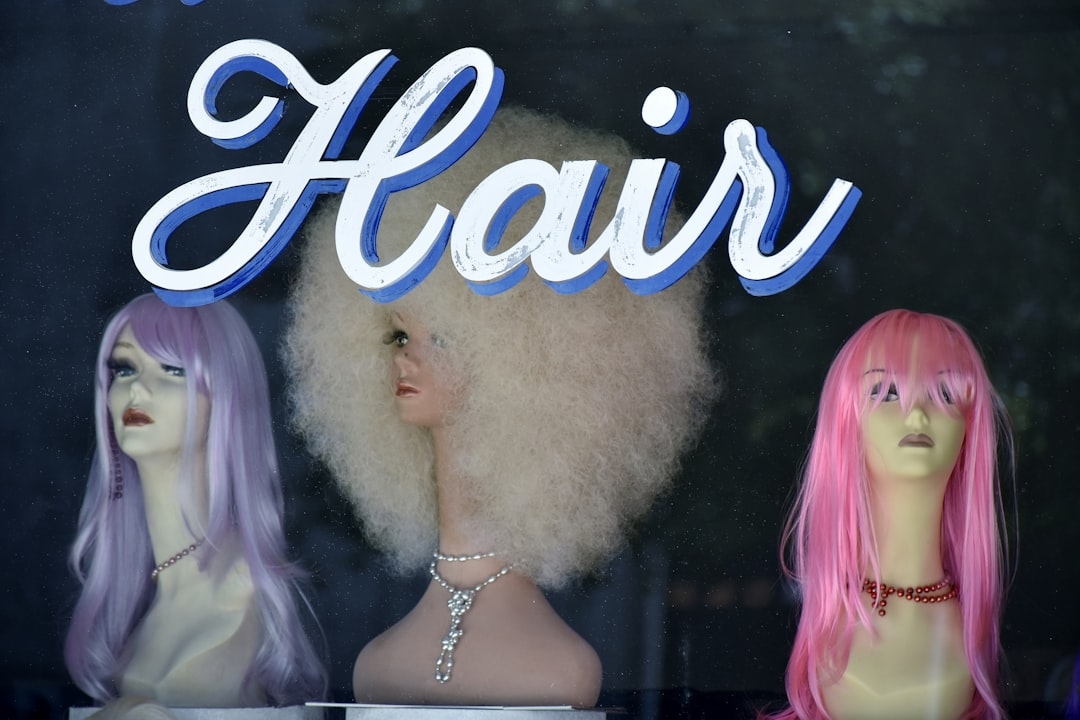
- Wigs and temporary styling: Wear a short hair wig (£10–£30) for a day or two. This shows you how you look and how you feel psychologically with short hair.
- Digital haircut simulators: Apps like HairCut Booth (free) let you upload your photo and try dozens of short styles digitally.
- Gradual transition: Cut shoulders-length first, then short. This slower transition feels less dramatic and gives you multiple exit points if you prefer length.
Making Your Decision
Will short hair suit me? If your face shape aligns with a particular short style, your hair texture suits the chosen cut, you’re willing to style regularly, and you feel confident with your face exposed, short hair will genuinely suit you. Consult a stylist, show them specific styles you love, and trust their professional assessment. Short hair is reversible—it grows back. If you try short hair and dislike it, you’re just waiting 6–12 months rather than living with an unflattering long cut indefinitely. The risk is lower than the potential transformation.
FAQ
What face shape suits short hair best?
Oval faces suit nearly any short style. Square faces suit soft, textured cuts. Round faces suit styles with height and angles. Heart-shaped faces suit styles with fullness at the jaw. However, the right style within each category matters more than face shape alone.
Is short hair easier to maintain than long hair?
Short hair requires more frequent cuts (every 4–6 weeks) but less daily styling time. Long hair needs fewer cuts but more daily brushing and styling. Maintenance time is similar; maintenance type differs.
Can curly hair look good short?
Yes, absolutely. Curly hair looks stunning short because short cuts reduce weight and allow natural curl to bounce. Short curly hair is typically easier to manage than long curly hair.
How much does a short haircut cost in the UK?
Short haircuts cost £20–£50 at typical salons, £40–£80 at mid-range salons, and £60–£120 at high-end salons. Subsequent trims run slightly less—roughly £15–£90 depending on salon level.
What if I cut my hair short and hate it?
Hair grows roughly ½ inch monthly. To reach shoulder-length takes roughly 12 months. During this time, regular styling can make short hair look longer, or you can wear extensions. Most people who try short hair and dislike it don’t actually regret it within months—they adjust.



Add Comment