Contents:
- Understanding IPL Hair Removal Duration
- The Initial Course vs. Maintenance Phase
- How Long IPL Hair Removal Results Actually Last
- Factors Affecting Duration
- Regional Variations and Seasonal Considerations
- IPL vs. Laser Hair Removal: Understanding the Difference
- Realistic Timeline: What to Expect Month by Month
- Weeks 1-8 (Initial Course)
- Months 2-3 (Post-Course)
- Months 4-6
- Months 6-12
- Beyond 12 Months
- Maintenance Strategy for Long-Lasting Results
- FAQ Section
- Does IPL hair removal last forever?
- How many IPL treatments are needed for permanent results?
- Can IPL hair removal stop regrowth completely?
- How often should I get IPL maintenance treatments?
- Does IPL work on all hair colours and skin types?
You’ve just completed a course of IPL (intense pulsed light) hair removal treatments, and you’re smooth as glass. But the question everyone asks next is unavoidable: how long does IPL hair removal last? The answer isn’t a fixed timeline—it’s more nuanced than that, depending on your hair type, skin type, and how consistently you maintain the treatment schedule.
Understanding IPL Hair Removal Duration
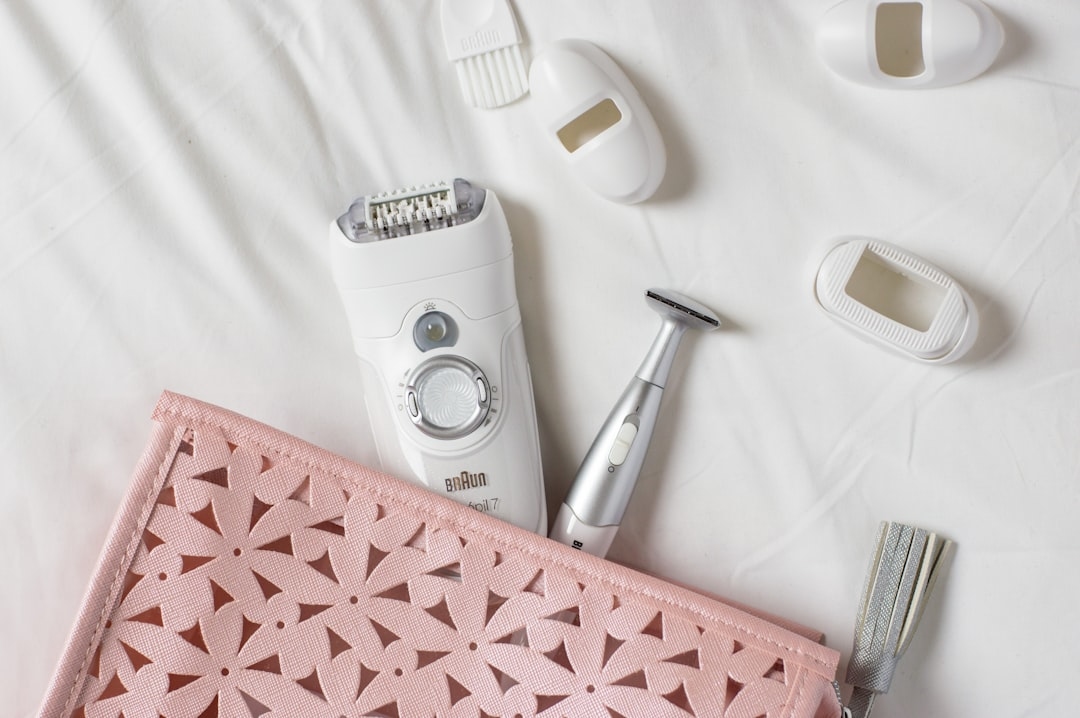
IPL hair removal doesn’t work like traditional hair removal methods. Razors shave hair at skin level, meaning regrowth appears within 24-48 hours. Waxing removes hair from the root, lasting 3-6 weeks before regrowth. IPL operates differently: it destroys hair at the follicle level by using intense light pulses to heat melanin in the hair shaft, preventing the follicle from producing new hair.
The duration of results depends on follicle regeneration. Some follicles are destroyed permanently; others enter a dormant phase. Research published in dermatological journals shows that how long IPL hair removal lasts typically ranges from 3 months to 3 years, with most people experiencing significant hair reduction that lasts 12-24 months before requiring maintenance treatments.
The Initial Course vs. Maintenance Phase
IPL hair removal works in two distinct phases. During the initial course (typically 6-8 weekly treatments), you’re targeting actively growing hairs. Hair grows in cycles; only hairs in the active growth phase (anagen) respond to IPL. This is why multiple treatments are necessary—to catch hairs as they enter the growth phase. Each treatment reduces visible hair by approximately 10-20%. After six to eight sessions, you’ll see 60-90% reduction in hair growth.
Maintenance treatments are different. After your initial course, hair regrowth slows dramatically. A single maintenance treatment every 4-12 weeks keeps regrowth minimal. Many people in the UK find that after their initial course, maintenance treatments every 8-12 weeks for the first year, then quarterly or semi-annually, maintains results indefinitely.
How Long IPL Hair Removal Results Actually Last
The science is clear: immediately after your initial course, results last longest. Most people experience minimal regrowth for the first 3-6 months. By month 12, approximately 20-30% of hair has regrown. By month 24, regrowth reaches 50-70% of pre-treatment levels. This varies enormously based on individual factors.
Factors Affecting Duration
- Hair colour: Dark hair contains more melanin and responds better than light hair. Black and dark brown hair may see results lasting 18-36 months. Blonde, red, and grey hair respond poorly, with results lasting 3-9 months or showing minimal improvement.
- Hair thickness: Thicker, coarser hair contains more melanin and responds better. Fine or thin hair shows modest results with shorter duration (3-6 months improvement; regrowth faster).
- Skin tone: Lighter skin tones show better results; the contrast between hair and skin allows the device to target hair more precisely. Darker skin tones may require lower energy settings, reducing effectiveness.
- Treatment adherence: Following the initial course schedule (weekly treatments for 6-8 weeks) is critical. Inconsistent spacing reduces overall effectiveness and shortens result duration.
- Hormonal factors: Hormonal imbalances, PCOS (polycystic ovary syndrome), and medications like testosterone increase hair growth. These can reduce IPL effectiveness and shorten result duration to 3-6 months instead of 12-24 months.
- UV exposure: Sun exposure after treatment can damage skin and reduce treatment effectiveness. Using SPF 30+ after IPL extends result duration by allowing proper healing.
Regional Variations and Seasonal Considerations
In the UK, seasonal factors influence IPL timing. Many aesthetic clinics in London and the South recommend starting IPL courses in autumn (September–November) or winter (December–February), when sun exposure is minimal and clients can avoid sun exposure more easily during the treatment course. This timing optimises results and reduces photosensitivity complications.
In Scotland and Northern regions, longer winter darkness provides ideal treatment conditions. The North West and Midlands show no significant seasonal advantage, though clinics often have waiting lists during spring and summer (May–August) when demand peaks. Starting treatment in winter means completing your initial course by spring, allowing summer holiday season without active treatment interruptions.
IPL vs. Laser Hair Removal: Understanding the Difference
IPL and laser hair removal are frequently confused, but they differ significantly in how long results last. Laser hair removal uses a single wavelength of light, providing more concentrated energy. Results typically last longer: 12-36 months compared to IPL’s 3-24 months. Laser is more effective on dark hair and offers more predictable results.
IPL uses multiple light wavelengths, making it less precise but more versatile across skin tones and hair colours. IPL is typically cheaper (£50-£150 per session versus £100-£300 for laser) and more widely available through beauty clinics, but results are less durable. Both require maintenance treatments; laser simply maintains longer between sessions.
Realistic Timeline: What to Expect Month by Month
Weeks 1-8 (Initial Course)
Visible hair shedding occurs 1-2 weeks after each treatment as treated hairs fall out. After four treatments (weeks 1-4), approximately 40-50% reduction is visible. After eight treatments (weeks 1-8), 70-85% reduction is typical. Skin appears smoother, and regrowth is significantly slower.
Months 2-3 (Post-Course)
Fine regrowth appears, but it’s noticeably lighter and softer than original hair. Some clients see virtually no regrowth during this period; others see 5-10% regrowth. The speed varies based on hair type and hormone levels.
Months 4-6
Regrowth accelerates slightly. By month 6, approximately 15-25% regrowth is typical. This is when most people schedule their first maintenance treatment. A single maintenance session typically resets the clock—results last another 3-6 months before slight regrowth reappears.
Months 6-12
Without maintenance, regrowth continues gradually. By month 12, approximately 40-50% of original hair has regrown (though it remains finer and lighter). With maintenance treatments every 8-12 weeks, you maintain 90%+ hair reduction indefinitely.
Beyond 12 Months
Without further treatment, regrowth continues. By 24-36 months, hair may return to near pre-treatment density, though texture remains softer and finer. With regular maintenance (quarterly or semi-annual treatments), permanent hair reduction is achievable.
Maintenance Strategy for Long-Lasting Results
To maintain IPL results indefinitely, most dermatologists recommend scheduling maintenance treatments strategically. During the first year post-course, schedule treatments every 8-12 weeks (monthly appointments for some clients). After year one, extend to every 12-16 weeks. Years two onward, maintenance every 4-6 months typically maintains 85-95% hair reduction permanently.
Costs vary by clinic and area. In London, maintenance treatments cost £80-£150 per session. Regional clinics charge £50-£100. Over five years, expect £500-£1,500 in maintenance costs for ongoing treatment, compared to the £300-£1,000 initial course cost. This remains cheaper than lifelong waxing (approximately £80-£150 per session, every 4-6 weeks = £1,000+ annually).
FAQ Section
Does IPL hair removal last forever?
No. IPL provides semi-permanent hair reduction, not permanent removal. Some follicles are permanently destroyed; others enter dormancy and eventually regrow. With maintenance treatments every 4-6 months, results can last indefinitely, but treatment is ongoing, not one-time.
How many IPL treatments are needed for permanent results?
Approximately 6-8 treatments spaced 1-2 weeks apart (initial course). This targets hair across all growth cycles. Permanent removal typically requires 8-12 sessions, though results after eight sessions are substantial (70-85% reduction).
Can IPL hair removal stop regrowth completely?
Not completely. IPL reduces hair growth significantly—often by 70-90% permanently—but some regrowth always occurs. Regular maintenance treatments prevent visible regrowth, creating the appearance of permanent removal.
How often should I get IPL maintenance treatments?
After your initial course, schedule maintenance every 8-12 weeks for the first year, then every 12-16 weeks in year two, then every 4-6 months thereafter. Adjust frequency based on how quickly regrowth appears—if hair reappears visibly within 8 weeks, don’t wait 12 weeks for your next treatment.
Does IPL work on all hair colours and skin types?
IPL works best on dark hair and light-to-medium skin. Blonde, red, or grey hair shows minimal results as they contain less melanin. Very dark skin tones may require lower energy settings, reducing effectiveness. Laser hair removal is more effective for these cases.


Add Comment